
TL;DR
Prime for Young Adults — start your free trial
Fast free delivery, streaming and member deals for eligible 18–24 year olds.
As an affiliate, we earn on qualifying purchases.
Tesla disclosed two low-speed crashes involving its Robotaxi fleet in Austin, Texas, where remote teleoperators took control. The company revealed these incidents in unredacted data to NHTSA, highlighting safety and operational challenges. The developments impact Tesla’s autonomous vehicle expansion and safety reputation.
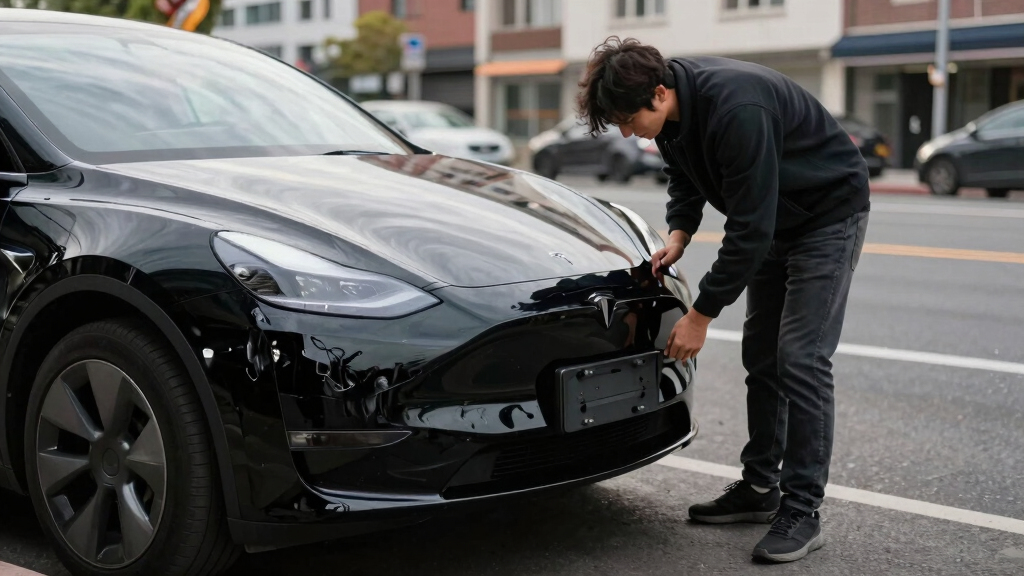
Tesla has confirmed two crashes involving its Robotaxi fleet in Austin, Texas, where remote teleoperators took control during the incidents. The disclosures come after Tesla released unredacted crash data to the National Highway Traffic Safety Administration (NHTSA), revealing safety and operational issues that could influence the company’s autonomous vehicle rollout.
According to newly unredacted data submitted to NHTSA, Tesla’s Robotaxi vehicles crashed at least twice in Austin since July 2025 while being remotely operated by teleoperators. Both incidents involved low speeds and occurred without passengers onboard. In the first incident in July 2025, a teleoperator increased the vehicle’s speed and turned it left, causing it to contact a metal fence after climbing onto a curb. The second, in January 2026, involved a teleoperator taking control when the vehicle was stopped, leading it to scrape a construction barricade at approximately 9 miles per hour.
Additional crashes include minor collisions like clipping mirrors and avoiding obstacles such as a dog, which Tesla reported ran away, and a metal chain at a parking lot entrance. Tesla’s data indicates that most crashes involve the vehicles hitting objects or being involved in minor contact, with some incidents related to the vehicle’s inability to avoid obstacles or properly navigate complex environments. Notably, Tesla’s disclosures mark a shift from previous redactions, providing more transparency about the safety issues encountered during testing and operation.
Why It Matters
This development matters because it highlights ongoing safety challenges with Tesla’s autonomous vehicle technology, especially as the company seeks to scale its Robotaxi network. The confirmed crashes raise questions about the safety protocols, remote operation procedures, and the pace of deployment. For regulators and consumers, these incidents could influence future safety regulations and public trust in Tesla’s autonomous systems. Tesla’s cautious approach, as acknowledged by Elon Musk, may slow expansion but aims to prioritize safety amid ongoing technical issues.
Tesla autonomous vehicle safety kit
As an affiliate, we earn on qualifying purchases.
As an affiliate, we earn on qualifying purchases.
Background
Since launching its Robotaxi service in Austin in mid-2025, Tesla has faced scrutiny over the safety and reliability of its autonomous driving systems. The company has historically redacted crash descriptions, citing confidentiality, but recent disclosures to NHTSA have provided more detailed accounts. Tesla’s approach contrasts with other companies like Waymo, which have reported higher crash rates but operate at different scales. Tesla’s cautious scaling, partly due to safety concerns, has been publicly acknowledged by CEO Elon Musk, who emphasized safety as the primary factor limiting rapid expansion.
“This capability enables Tesla to promptly move a vehicle that may be in a compromising position, thereby mitigating the need to wait for a first responder or Tesla field representative to manually recover the vehicle.”
— Tesla spokesperson
“Making sure things are completely safe is the biggest limiting factor to Tesla expanding the Robotaxi network. We are being very cautious.”
— Elon Musk
What Remains Unclear
It remains unclear how many total incidents have occurred beyond the two confirmed crashes, or whether Tesla’s remote operation procedures have been improved following these events. The full scope of safety risks and how they compare to other autonomous vehicle operators is still under assessment. Regulatory responses and potential safety recommendations are also pending further investigation.
What’s Next
Tesla is likely to continue providing detailed crash data to NHTSA and may implement additional safety measures for remote operation. The company might also face increased regulatory scrutiny and could delay further scaling of its Robotaxi service until safety concerns are addressed. Future updates from Tesla regarding system improvements and operational protocols are expected.
Key Questions
What exactly caused the Tesla Robotaxi crashes involving teleoperators?
The specific technical causes are not fully detailed, but incidents involved remote operators taking control during system failures or stops, leading to minor collisions or contact with obstacles.
Are these crashes typical for autonomous vehicle testing?
While minor contact and obstacle avoidance issues are common in autonomous testing, Tesla’s recent disclosures are notable for providing detailed incident descriptions, which were previously redacted.
How might these crashes affect Tesla’s plans for Robotaxi expansion?
Safety concerns could slow scaling and lead to stricter regulatory oversight, as Tesla emphasizes cautious deployment to ensure safety.
Are other autonomous vehicle companies experiencing similar issues?
Yes, companies like Waymo have reported more crashes, but Tesla’s incidents are now more transparent and involve the company’s own disclosures to regulators.
Fall Picks
fall essentials
As an affiliate, we earn on qualifying purchases.