One common mistake that can ruin your trip is improperly securing your bikes on hitch racks. If you don’t double-check that bikes are firmly strapped, wheels are tightened, and quick-release levers are secure, they can shift, fall, or cause damage. Loose bikes also affect your vehicle’s handling and safety. To avoid chaos on the road, it’s vital to follow proper loading tips and make certain everything is snug. Keep going to learn more of these essential safety tips.

Get the latest gadgets delivered free with Prime
- Fast, free delivery on millions of items
- Prime Video, Amazon Music and more included
- Member-only deals all year
Key Takeaways
- Failing to tighten straps and quick-release levers properly can cause bikes to shift or fall during transit.
- Overloading the rack beyond its weight capacity compromises stability and safety.
- Not consulting manufacturer instructions may lead to incorrect loading techniques.
- Using a low-quality or damaged rack increases the risk of structural failure.
- Neglecting regular maintenance and inspection can result in loose components and unsafe trips.
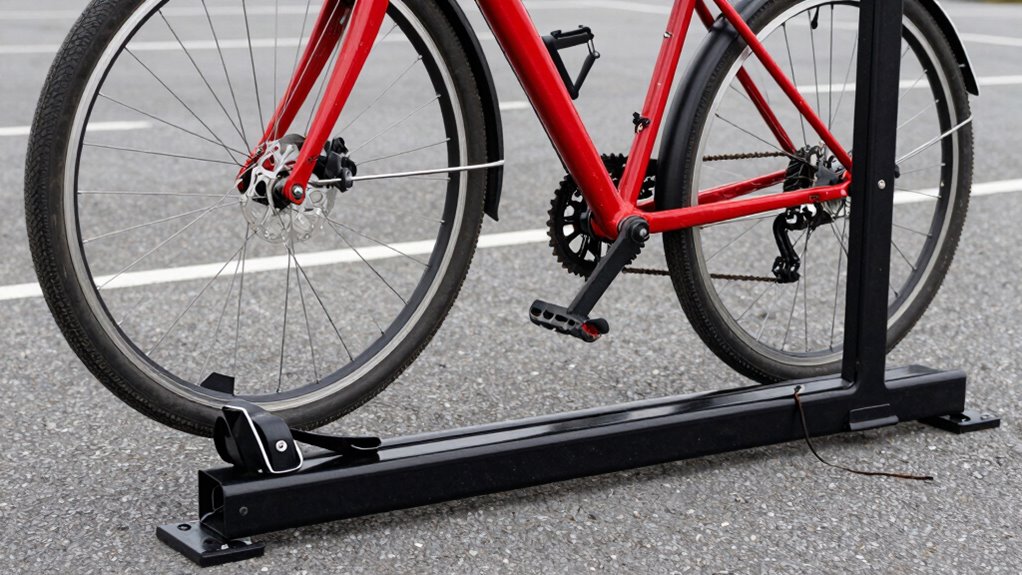
Loading your bike onto a hitch bike rack might seem straightforward, but many people make simple mistakes that can compromise safety and damage their bikes. One common error is neglecting proper bike security. If your bike isn’t firmly secured to the rack, it can shift or even fall off during transit, risking damage to your bike and other vehicles on the road. To avoid this, double-check that the frame, wheels, and any quick-release levers are tightly fastened. Use all the straps and locks provided, ensuring they’re snug but not overly tight, to prevent movement while driving. Remember, a loose bike isn’t just a risk to your trip but also a hazard to others. Proper loading technique is essential to ensure safety and stability throughout your trip. Additionally, consulting rack instructions can help you understand the best practices for your specific model and prevent common mistakes.
Secure your bike tightly with straps and quick-release levers to prevent shifting or falling during transit.
Another essential aspect often overlooked is rack durability. Not all hitch racks are built to withstand rough handling or long trips, so choosing a sturdy, well-made rack is imperative. Cheaper racks may seem tempting, but they tend to lack the structural integrity needed for safe transport. When loading your bike, pay attention to the rack’s construction—look for reinforced arms, high-quality materials, and corrosion-resistant finishes. Properly maintained racks with durable build quality are less likely to bend, break, or become unstable, which increases your bike’s security during transit. Investing in a reliable rack not only protects your bike but also guarantees your peace of mind on the road. Additionally, understanding rack specifications can help you select the most appropriate option for your needs. Being aware of the weight capacity can prevent overloading and potential failure of the rack during your trip. Regular inspections and maintenance of your rack can further extend its lifespan and ensure ongoing safety during transportation.
hitch bike rack straps and locks
As an affiliate, we earn on qualifying purchases.
As an affiliate, we earn on qualifying purchases.
Frequently Asked Questions
How Do I Choose the Right Hitch Bike Rack Size?
To choose the right hitch bike rack size, you need to take into account your bike rack capacity and hitch receiver size. Measure your hitch receiver to guarantee compatibility, typically 1.25-inch or 2-inch. Then, check the bike rack capacity to hold your bikes securely. Selecting a rack that matches your hitch receiver size and can handle your bikes comfortably ensures safe transportation and makes your trips more enjoyable.
Are There Specific Bikes Incompatible With Certain Hitch Racks?
Imagine your bike as a dancer, graceful but specific in its movements. Certain bikes, like those with unique frame designs or oversized tires, might not dance well with all hitch racks. Bike frame compatibility and hitch receiver size are essential; some racks can’t accommodate fat tires or step-through frames. Always double-check your bike’s dimensions and your hitch’s specifications to guarantee a smooth, harmonious ride without awkward fits or unnecessary stress.
How Can I Prevent Bike Theft From My Hitch Rack?
To prevent bike theft from your hitch rack, you should use secure locking mechanisms on both the bike and the rack itself. Always lock your bike frame and wheels to the rack, and consider using additional theft prevention devices like cable locks or security bolts. Regularly check that locks are engaged properly, especially when parking in public areas, to guarantee your bikes stay safe during your trip.
What Maintenance Is Required for Hitch Bike Racks?
You’ll want to keep your hitch bike rack in tip-top shape, so regularly apply bike rack lubrication to moving parts to prevent squeaks and rust. Don’t forget rack cleaning tips—use mild soap and water to remove dirt and grime, ensuring smooth loading and unloading. Think of it as giving your rack a spa day; a little maintenance now saves headaches later. Keep it clean and lubricated, and it’ll serve you well for many adventures!
Can I Carry Multiple Bikes on a Single Hitch Rack?
Yes, you can carry multiple bikes on a single hitch rack, but you need to check bike rack compatibility first. Look for racks designed specifically for multiple bikes, ensuring they fit your hitch size and bike types. Always secure your bikes properly to avoid damage, and use hitch lock security to prevent theft. Properly loading and securing bikes on a compatible rack keeps your trip smooth and your bikes safe.
Conclusion
Now that you’re aware of the loading mistake that can turn your bike trips into a bumpy ride, don’t let it derail your adventures. Think of your hitch bike rack as the sturdy backbone of your journey—handle it with care, and it’ll carry your bikes smoothly across every twist and turn. With a little attention and proper loading, your trips will glide like a well-oiled machine, turning every ride into a carefree, wind-in-your-hair escape.
Fall Picks
fall essentials
As an affiliate, we earn on qualifying purchases.