Satellite messengers activate SOS functions by letting you manually or automatically send distress signals via satellite, sharing your location with emergency contacts or responders. However, their effectiveness depends on device compatibility with satellite networks and clear signal coverage, which environmental factors like mountains or dense foliage can block. Knowing how your device works and potential limitations can make all the difference in emergencies. Stay tuned to discover essential tips to keep your safety gear reliable when it matters most.

Get the latest gadgets delivered free with Prime
- Fast, free delivery on millions of items
- Prime Video, Amazon Music and more included
- Member-only deals all year
Key Takeaways
- SOS signals are sent via satellite networks by manually pressing a dedicated button or through automatic alerts triggered by impact or inactivity.
- Compatibility with satellite networks (Iridium, Globalstar) determines whether your device can reliably transmit SOS signals in remote areas.
- Environmental factors like heavy clouds, dense foliage, or mountainous terrain can obstruct signals, preventing SOS transmission or delaying response.
- Familiarity with device-specific emergency protocols and proper activation procedures ensures quick, effective use during crises.
- Preparing in advance by checking coverage maps, understanding device limitations, and having backup plans enhances safety when using satellite messengers.
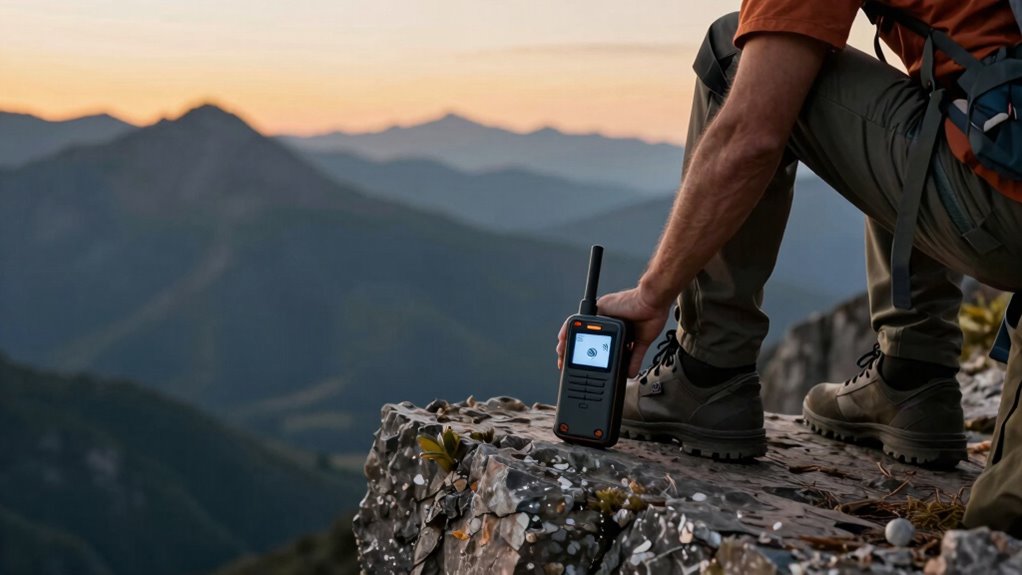
Satellite messengers are indispensable devices for anyone venturing into remote areas where cell phone coverage is unreliable or nonexistent. These compact gadgets provide a lifeline, allowing you to send distress signals or check in with loved ones, no matter how far from civilization you go. However, understanding how SOS functions on these devices is fundamental to ensuring your safety, especially when emergencies arise. When you press the SOS button, the device typically transmits a distress signal to a satellite network, which then relays your location to emergency responders or pre-selected contacts. This process is designed to be quick and reliable, but it’s important to recognize that the effectiveness of SOS depends on several factors, including emergency protocols and device compatibility.
First, your device’s compatibility with satellite networks plays an important role. Not all satellite messengers operate on the same frequency bands or through the same satellite constellations. Some devices are compatible only with specific satellite systems, like Iridium or Globalstar, which influences their coverage areas and signal reliability. Before heading out, you need to verify your device matches the satellite network coverage of your planned route. Incompatible devices won’t connect properly, meaning your SOS signal might not go through when you need it most. Double-check the device specifications and the satellite network coverage maps to confirm compatibility, especially if you’re traveling to very remote or specific regions.
Verify your satellite device’s network compatibility to ensure reliable SOS signals in remote areas.
Emergency protocols also considerably impact how well SOS functions during a crisis. Many satellite messengers are designed with built-in safety features, such as automatic alerts if the device detects a sudden impact or if you remain inactive for a certain period. However, these features vary by model and manufacturer. It’s essential to familiarize yourself with your device’s emergency protocols—know how to activate the SOS manually, what additional information might be required, and how responders will interpret your signal. Some devices also allow you to set up multiple contacts or emergency services to receive alerts, which can save valuable time during an incident.
Keep in mind that even the most advanced satellite messenger isn’t foolproof. Environmental factors like heavy cloud cover, dense foliage, or mountainous terrain can obstruct satellite signals, preventing your SOS from reaching help. In such cases, your device might fail to transmit, or responses may be delayed. That’s why it’s crucial to understand the limitations of your device and always have a backup plan, such as informing someone of your itinerary, carrying a physical map, or having a secondary communication device. Additionally, environmental conditions can significantly affect signal transmission, making it essential to be aware of these potential obstacles. Ultimately, knowing your device’s compatibility and emergency protocols helps you make the most of your satellite messenger, ensuring you’re prepared for those critical moments when every second counts.
Products Worth Considering

Apple iPad Air 13-inch (M4), 128GB, Wi-Fi 7, Space Gray

DJI Osmo Mobile 8 Phone Gimbal with Mic Mini Transmitter, Infinity Black

Bose TV Speaker (2nd Gen) Compact Soundbar with Bluetooth and HDMI Connectivity
As an affiliate, we earn on qualifying purchases.
Frequently Asked Questions
Can Satellite Messengers Work Underwater?
Satellite messengers don’t work underwater because of marine signal challenges. Underwater communication is limited since satellite signals can’t penetrate water effectively. If you’re submerged, your device can’t establish a connection, making it impossible to send SOS signals or updates. To stay connected underwater, you’d need specialized equipment like underwater communication devices or transmitters designed for marine environments, but standard satellite messengers won’t work once submerged.
Do Satellite Messengers Drain Batteries Quickly?
Satellite messengers can drain batteries quickly if you use them constantly, but smart power management helps extend battery life. You should turn off features when not needed and enable low-power modes to conserve energy. Regularly checking your device’s battery status guarantees you’re prepared for emergencies. By managing power wisely, you’ll get the most out of your satellite messenger without worrying about rapid battery drain.
Are Satellite Signals Affected by Weather Conditions?
Weather interference can affect satellite signals, leading to potential signal disruption. Rain, snow, or heavy clouds can weaken the connection between your satellite messenger and the satellite network. When the weather gets severe, expect possible delays or difficulty in sending your SOS signal. To minimize issues, try to use your device in clear conditions and avoid areas with heavy precipitation or thick cloud cover that can hinder satellite communication.
How Accurate Is the GPS Location?
Did you know GPS precision can be within 3 to 10 meters? You’ll find that signal reliability depends on factors like satellite positioning and obstructions. In ideal conditions, your satellite messenger provides accurate location data, but weather or dense cover can reduce accuracy. You should always be aware of these limitations to guarantee your device works effectively, especially when relying on it for safety or navigation.
What Should I Do if My SOS Isn’T Received?
If your SOS isn’t received, first check for signal interference, like dense trees or buildings blocking the signal. Then, try device troubleshooting steps such as restarting your satellite messenger or moving to an open area with a clearer view of the sky. If it still doesn’t work, activate the device manually if possible, and consider using an alternative communication method. Always have backup plans in case of technical issues.
Conclusion
Remember, a satellite messenger is your lifeline in the wild, but it’s only as reliable as the signals it receives. When you rely on technology for safety, you’re trusting a fragile thread woven through the vast, unpredictable sky. Stay prepared, know its limits, and never forget that even the best tools can falter—reminding you that in the wilderness, your greatest strength is your own awareness and resilience. After all, it’s not just about signals, but about staying alive.