
TL;DR

Get the latest gadgets delivered free with Prime
- Fast, free delivery on millions of items
- Prime Video, Amazon Music and more included
- Member-only deals all year
Iran has intensified its use of small, armed boats in the Strait of Hormuz, disrupting maritime traffic. This tactic, part of Iran’s asymmetrical naval strategy, raises concerns over regional stability and global oil flow.
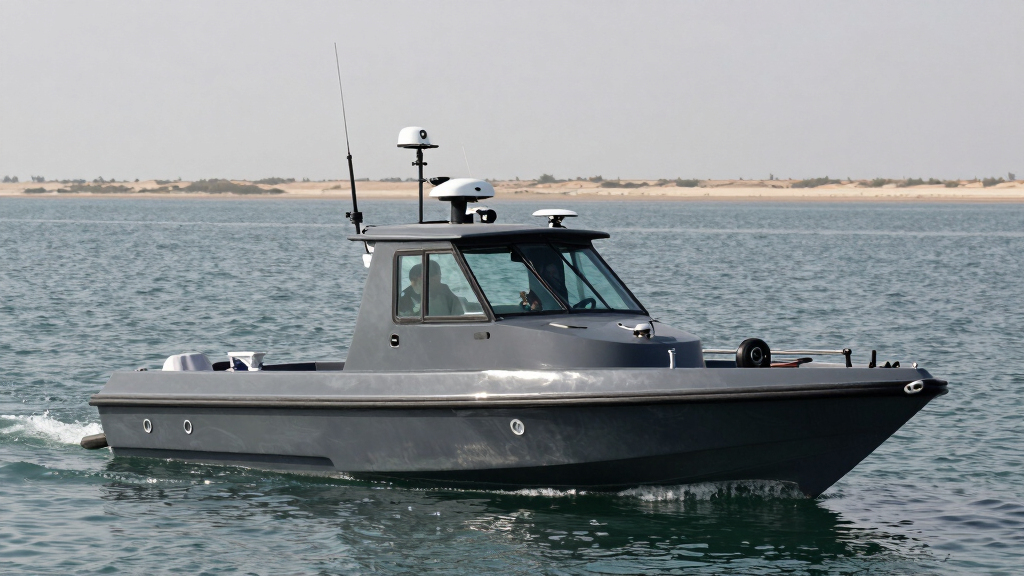
Iran is reportedly deploying a swarm of small, missile-armed vessels in the Strait of Hormuz to disrupt maritime traffic, a move that threatens global shipping and energy supplies. This development marks a significant escalation in Iran’s naval tactics, raising concerns among regional and international actors about potential disruptions to one of the world’s most critical chokepoints.
According to sources familiar with regional security assessments, Iran has developed a fleet of dozens of small vessels, often referred to as ‘mosquito boats,’ capable of launching missile attacks and swarming larger ships. These vessels are part of Iran’s asymmetric naval strategy, designed to exploit their numbers and agility to counter more traditional naval forces. The Iranian Revolutionary Guards Corps (IRGC) operates this fleet, which has remained largely intact despite U.S. and Israeli efforts to weaken Iran’s conventional navy. In mid-April, Iran’s use of these boats led to the seizure of two large container ships leaving the Strait, signaling a tangible escalation. Experts like Michael Eisenstadt from the Washington Institute note that Iran’s small boat fleet is equipped with rockets, anti-ship missiles, and mines, enabling it to pose a serious threat to shipping in the region. Iran’s proximity to the Strait allows it to deploy these vessels rapidly and sustain a persistent threat, leveraging both maritime and aerial support, including drones and missile systems.
Why It Matters
This development is significant because the Strait of Hormuz is a vital conduit for global oil exports, with about 20% of the world’s oil passing through it. Iran’s tactics could threaten the stability of regional energy markets and increase shipping costs. The use of small, agile vessels to create a maritime ‘hemostat’—a blockade—could force international powers to reconsider naval security strategies and heighten tensions in the Gulf region. The escalation also underscores Iran’s shift toward asymmetric warfare, aiming not for control but for deterrence and disruption, complicating efforts by the U.S. and allies to ensure free navigation.
As an affiliate, we earn on qualifying purchases.
Background
Iran’s use of small boats in the Strait of Hormuz dates back to the Iran-Iraq war, where they were employed to disrupt oil tankers. Since then, Iran has maintained and modernized this fleet, particularly through the IRGC, which operates separately from Iran’s conventional navy. Recent years have seen increased incidents involving these vessels, including drone attacks and seizures of ships. The U.S. has publicly downplayed the threat, with former President Donald Trump stating in April that Iran’s navy was largely destroyed and not a significant threat. However, recent events, including the seizure of ships and Iran’s demonstrated ability to close the strait with minimal forces, challenge this assessment and highlight the evolving threat landscape.
“Iran’s fleet of small boats is effective because of their numbers and ability to swarm, making them difficult to counter. They are armed with rockets, missiles, and mines, posing a serious threat to shipping.”
— Michael Eisenstadt, Washington Institute
“Iran’s small vessels are a persistent challenge, but their threat level has been somewhat exaggerated by some officials.”
— U.S. military sources (unattributed)
What Remains Unclear
It remains unclear how many vessels Iran currently has operationally deployed in the Strait or the full scope of their capabilities. The exact extent of Iran’s planned or ongoing maritime operations is still being assessed by regional and international intelligence agencies. Additionally, the potential for a larger-scale blockade or escalation involving other missile and drone systems is uncertain and subject to future developments.
What’s Next
Next steps include increased surveillance and naval patrols by regional and allied forces to monitor Iran’s activities. Diplomatic efforts may intensify to prevent escalation, while military planners prepare for potential responses. Further incidents involving maritime traffic or attempts to breach international navigation rights are likely as Iran tests the limits of its asymmetric capabilities.
Key Questions
Why are Iran’s small boats considered a threat?
Despite their size, these boats are armed with missiles, rockets, and mines, allowing them to attack large ships and create disruptions in key shipping lanes like the Strait of Hormuz.
How does Iran operate these vessels?
Iran’s Islamic Revolutionary Guards Corps (IRGC) operates the fleet, using coastal bases and hidden infrastructure to deploy and support the vessels, often in swarms to overwhelm defenses.
What could happen next in the Strait of Hormuz?
Potential developments include increased maritime incidents, attempts at blockade, or diplomatic efforts to de-escalate tensions. The situation remains fluid, with ongoing assessments by military and intelligence agencies.
How does this impact global oil markets?
Disruptions or threats in the Strait of Hormuz could lead to higher oil prices and increased shipping costs, as global markets react to potential supply shortages.
Fall Picks
fall essentials
As an affiliate, we earn on qualifying purchases.