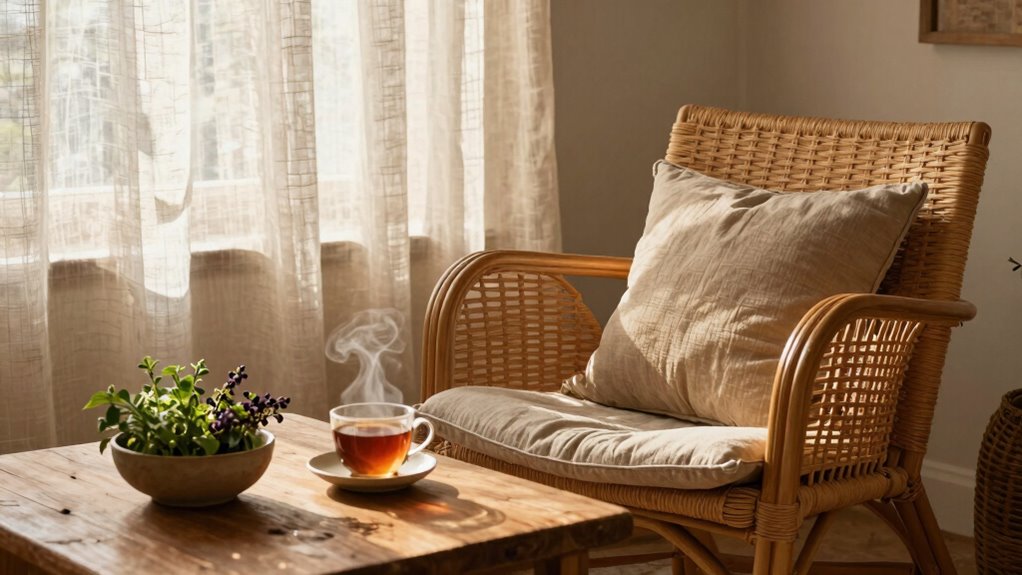

Sensory design means intentionally shaping your environment by paying attention to sights, sounds, textures, and smells to boost your mood and comfort daily. It’s about creating spaces that feel balanced and soothing without overwhelming your senses. Small details like soft lighting, cozy textures, or calming sounds can make a big difference in how you feel and focus. If you continue exploring, you’ll discover how these simple adjustments can enhance your overall well-being in everyday life.

Get the latest gadgets delivered free — and shop member deals
- Fast, free delivery on millions of items
- Access to Prime Big Deal Days deals on October 6–7
- Prime Video, Amazon Music and more included
Key Takeaways
- Sensory design enhances everyday environments to promote comfort, relaxation, and positive mood through thoughtful use of sights, sounds, textures, and smells.
- It involves customizing spaces to match personal sensory preferences, improving focus and reducing stress.
- Small details like lighting, textures, and background sounds subtly influence how comfortable and calm a space feels.
- Sensory design benefits everyone by supporting well-being and making daily routines more enjoyable.
- It encourages intentional environment choices that foster harmony and sensory well-being in normal living spaces.
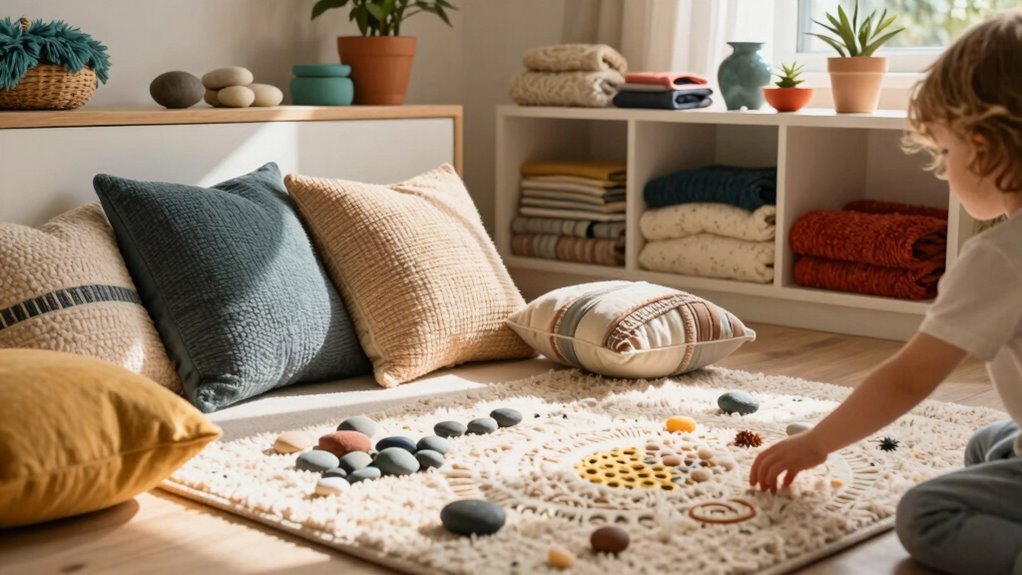
Have you ever wondered how your surroundings influence your daily mood and comfort? The way your environment is designed can substantially affect how you feel and behave throughout the day. Sensory design isn’t just for specialized spaces; it’s about creating environments that engage your senses in a balanced way, making everyday spaces more enjoyable and supportive. When you step into a well-designed space, you might notice how the sights, sounds, textures, and even smells work together to create a sense of harmony. This approach is rooted in the idea of multisensory environments—spaces that stimulate multiple senses simultaneously to promote well-being. It’s not about overwhelming you but about crafting a balanced sensory experience that feels natural and soothing. Sensory integration, a term often used in therapy, simply refers to how your brain processes and combines sensory information from different sources. When this process functions smoothly, your environment feels comfortable and less stressful.
For most people, sensory design means paying attention to the little details that impact your experience without you even realizing it. For example, choosing soft lighting instead of harsh fluorescent bulbs can reduce eye strain and create a calming atmosphere. Incorporating textures like plush rugs or smooth surfaces adds tactile comfort, making the space feel more inviting. Background sounds—whether gentle music or the natural hum of a quiet room—can influence your mood, helping you feel more relaxed or alert, depending on what’s needed. Scent also plays a role; subtle aromas like lavender or citrus can lift your spirits or promote focus. Additionally, understanding sensory processing can help you customize environments that support your individual needs and preferences. Recognizing how sensory input is processed in your brain allows for more intentional adjustments to your surroundings, fostering a holistic sensory experience. When environments are designed considering air quality and proper ventilation, they can further enhance your comfort and health by reducing pollutants and allergens that might interfere with sensory processing. Informed choices about these elements can also improve overall environmental well-being and create more adaptive spaces.
By applying principles of sensory design, you can create spaces that better support your sensory health, leading to increased comfort and overall well-being. The goal isn’t to turn your space into a sensory playground but to fine-tune your environment so it supports your natural sensory processing. When done well, it can help reduce anxiety, improve focus, or simply make your daily routines more pleasurable. You’re likely already experiencing some of these effects intuitively—perhaps you prefer a cozy, dimly lit corner to unwind or a bright, lively workspace to stay energized. Sensory design emphasizes making those preferences intentional and accessible in your everyday surroundings. It encourages you to think holistically about your environment, considering how each element interacts to influence your mood and comfort. In the end, sensory design isn’t just for special needs; it’s about empowering you to create spaces that nurture your senses and enhance your quality of life.
soft ambient lighting for living room
As an affiliate, we earn on qualifying purchases.
As an affiliate, we earn on qualifying purchases.
Frequently Asked Questions
How Can Sensory Design Improve Everyday Life Experiences?
Sensory design improves your everyday life by creating multisensory environments that cater to your senses, making spaces more engaging and comfortable. Through environmental customization, you can tailor lighting, textures, sounds, and scents to suit your preferences, reducing stress and increasing relaxation. This approach helps you feel more connected and at ease in your surroundings, enhancing your overall well-being and making daily experiences more enjoyable and personalized.
Is Sensory Design Only for People With Sensory Processing Disorders?
Sensory design isn’t just for those with sensory processing disorders; it’s like a tailored suit for everyone. You can benefit from it by reducing sensory overload and creating spaces that are more comfortable and accessible. Good design makes your environment easier to navigate and enjoy, whether you’re sensitive to noise or bright lights or just want a calming space. It’s about making life’s scenery more friendly and accessible for all.
What Are Simple Ways to Incorporate Sensory Design at Home?
To incorporate sensory design at home, start with sensory therapy techniques like calming textures or soothing sounds. Use soft lighting and comfortable furniture to promote emotional regulation. Add tactile elements such as cozy blankets or textured rugs, and include calming scents like lavender. These simple changes can create a soothing environment, helping you manage stress and enhance emotional well-being through mindful sensory experiences.
Does Sensory Design Involve Specific Colors or Materials?
No, sensory design isn’t just about choosing specific colors or materials, even though they matter. Ironically, it’s about carefully blending color psychology and material selection to create a space that feels just right. You might pick soft fabrics and calming hues or vibrant accents. It’s about engaging your senses intentionally, making your environment more soothing or stimulating, depending on your needs—without relying solely on flashy colors or trendy textures.
Can Sensory Design Help Reduce Stress in Public Spaces?
Yes, sensory design can help reduce stress in public spaces. You’ll notice calming soundscapes that soothe your mind and gentle texture combinations that make you feel comfortable. These elements create a peaceful environment, allowing you to relax and unwind. By thoughtfully incorporating sound and tactile experiences, sensory design transforms busy areas into calming retreats, making public spaces more inviting and less overwhelming for everyone.
Conclusion
Imagine walking into a café where the aroma of fresh coffee instantly lifts your mood, the soft music feels like a gentle hug, and the cozy lighting makes you want to stay forever. That’s sensory design at work—crafting spaces that speak to your senses, making everyday environments more inviting and comfortable. When you understand and harness these elements, you transform ordinary places into personal retreats, turning routine moments into memorable experiences that truly feel like home.
Evergreen bestsellers Picks
bestsellers
As an affiliate, we earn on qualifying purchases.