
TL;DR
Prime for Young Adults — start your free trial
Fast free delivery, streaming and member deals for eligible 18–24 year olds.
Try it freeAs an affiliate, we earn on qualifying purchases.
The Federal Communications Commission (FCC) is scheduled to vote next month on a proposal that could alter regulations impacting 5G services provided by T-Mobile, Verizon, and AT&T. The outcome could influence network deployment and pricing.
The Federal Communications Commission (FCC) is set to hold a vote next month on a proposal that could significantly impact the 5G networks operated by T-Mobile, Verizon, and AT&T. This development is important because it could lead to changes in how these carriers deploy and manage their 5G infrastructure, affecting consumers and the broader telecommunications landscape.
The FCC’s upcoming vote, scheduled for next month, centers on proposed regulatory adjustments that could influence the allocation of spectrum and the rules governing 5G deployment. While the specific details of the proposal are still under discussion, industry sources indicate that the changes could potentially impose new restrictions or requirements on the carriers’ network expansion and service offerings.
According to officials familiar with the matter, the proposal aims to address concerns over spectrum sharing and ensure fair access for smaller providers. However, representatives from T-Mobile, Verizon, and AT&T have expressed concerns that the regulations could hinder their ability to expand 5G coverage efficiently or increase costs for consumers. The FCC has not yet released the full text of the proposal or detailed the potential impacts.
Implications for 5G Network Expansion and Consumer Costs
This vote could significantly influence the pace and scope of 5G deployment across the United States. If the regulations become more restrictive, it may slow down network expansion or increase operational costs for the major carriers, potentially leading to higher prices or reduced service quality for consumers. Conversely, supporters argue that the changes could promote fair spectrum sharing and foster competition in the telecommunications sector.
For consumers, the outcome could affect the availability, pricing, and quality of 5G services in the coming years. The decision also holds broader implications for the U.S. leadership in 5G technology and global competitiveness, as the country aims to maintain a technological edge.
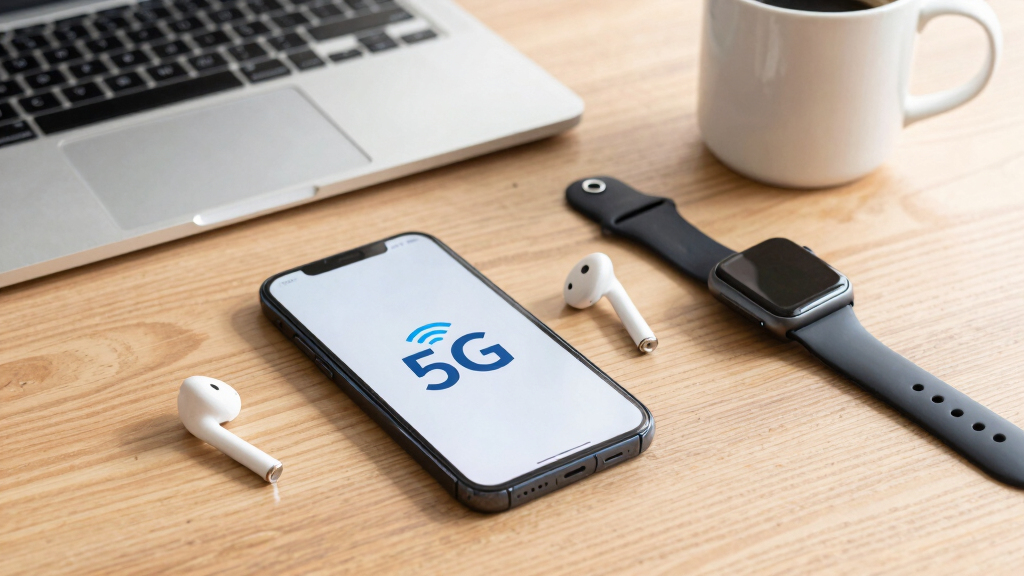
5G smartphone compatible with T-Mobile Verizon AT&T
As an affiliate, we earn on qualifying purchases.
As an affiliate, we earn on qualifying purchases.
Background on FCC’s Role in Spectrum Regulation
The FCC has historically overseen spectrum allocation and regulation to facilitate wireless communication. Over recent years, the agency has focused on expanding 5G deployment by auctioning spectrum bands and setting rules for network sharing. The current proposal is part of ongoing efforts to refine these policies amid rapid technological advances and market competition.
In 2020, the FCC approved spectrum auctions that enabled carriers like T-Mobile, Verizon, and AT&T to expand their 5G networks. Since then, debates have emerged over spectrum sharing policies and the balance between large carriers’ interests and those of smaller providers and public safety entities. The upcoming vote is the latest development in this ongoing regulatory process.
“The proposed rules aim to promote fair spectrum sharing and ensure that all providers can compete effectively in the 5G landscape.”
— FCC spokesperson
Details of the Proposed Regulation and Its Impact
It is not yet clear what specific changes the FCC will implement following the vote. The full text of the proposal has not been released, and the potential effects on 5G deployment, pricing, and competitive dynamics remain uncertain. Industry experts are monitoring the situation closely as the vote approaches.
Next Steps After the FCC’s Decision and Industry Response
Following the vote, the FCC is expected to publish the final regulation details within weeks. Carriers will then assess the impact on their networks and operations. Stakeholders, including consumer groups and industry analysts, will likely scrutinize the regulation’s effects on 5G deployment and market competition. Legal challenges or legislative actions could also follow if the regulation faces opposition.
Key Questions
What specific changes could the FCC make to affect 5G networks?
The exact changes are not yet known, but they may include new spectrum sharing rules, licensing conditions, or deployment restrictions that could influence how carriers expand and manage their 5G services.
How might this FCC vote impact consumers?
If the regulation slows network expansion or increases costs, consumers could face reduced service quality or higher prices. Conversely, fairer spectrum sharing might improve access for smaller providers and lead to more competitive pricing.
When will the FCC release the final regulation details?
The FCC is expected to publish the final regulation shortly after the vote, which is scheduled for next month. The timeline for implementation will depend on subsequent review and industry adjustments.
Could this regulation be challenged legally?
Yes, stakeholders such as carriers or industry groups could potentially file legal challenges if they believe the regulation unfairly restricts their operations or violates existing laws.
Source: google-trends
Fall yard work Picks
leaf blowers
As an affiliate, we earn on qualifying purchases.