
TL;DR
Open a free Amazon Business account
Business pricing, bulk buying and tax-exempt orders.
As an affiliate, we earn on qualifying purchases.
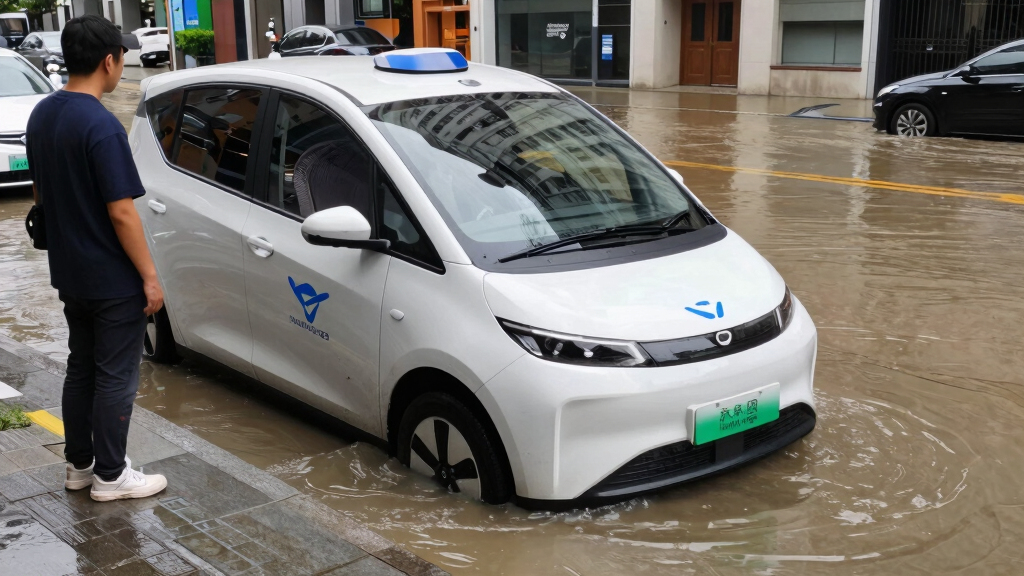
Waymo has halted its robotaxi operations in Atlanta after a vehicle drove into a flooded street and became stuck. The incident highlights ongoing challenges with autonomous vehicle safety in bad weather. The company is investigating and working on solutions.
Waymo has temporarily suspended its robotaxi service in Atlanta after one of its vehicles drove into a flooded street and became stranded, highlighting ongoing safety challenges with autonomous vehicle safety in adverse weather conditions.
According to local news reports, a Waymo robotaxi was seen navigating through a flooded street in Atlanta on Wednesday before it got stuck for approximately an hour. Waymo confirmed to TechCrunch that the vehicle was recovered and removed from the scene. The company stated that it has paused service in Atlanta, similar to its suspension in San Antonio, Texas, while it develops a solution to better handle heavy rain and flooding. Waymo explained that during intense rainfall, its vehicles rely on weather alerts from the National Weather Service (NWS) to avoid risky areas, but the flooding in Atlanta occurred before any official warning was issued. The incident follows a recent recall by Waymo, which acknowledged that its current software restrictions are not yet fully capable of preventing vehicles from entering flooded roads. Waymo emphasized that safety remains its top priority and that it is actively working on improvements.
Why It Matters
This development underscores the persistent challenges faced by autonomous vehicle companies in ensuring safety during severe weather events. The incident raises questions about the reliability of weather-based decision systems and the readiness of current AV technology to operate safely in unpredictable conditions. For consumers and regulators, it highlights the need for cautious deployment and thorough testing before widespread adoption of robotaxis in complex urban environments.

Amber Strobe Light, 2-in-1 Emergency Warning & Work Light, 150° Wide Flood LED Beacon Light 12-24V Waterproof Safety Flashing Light for Snow Plow Road Construction Worksite Truck ATV Forklift
- Multi-Function Design: Warning flash and work light in one unit
- Wide Flood Beam: 150° ultra-wide coverage for full-area illumination
- Multiple Lighting Modes: Single, double, triple flash, and white light
As an affiliate, we earn on qualifying purchases.
As an affiliate, we earn on qualifying purchases.
Background
Waymo launched its robotaxi service in select cities, including Atlanta, with ongoing efforts to improve safety protocols. Last week, the company issued a recall related to its vehicles’ response to weather conditions, indicating unresolved issues. The incident in Atlanta is part of a series of recent problems, including prior investigations into Waymo’s behavior around school buses and a crash involving a child in Santa Monica in January. Both the NHTSA and NTSB are examining these incidents, with the NHTSA requesting additional data from Waymo in May. For more on autonomous vehicle safety, see this report on recent AV safety challenges.
“Safety is Waymo’s top priority, both for our riders and everyone we share the road with. During a period of intense rain yesterday in Atlanta, an unoccupied Waymo vehicle encountered a flooded road and stopped.”
— Waymo spokesperson
“We are actively working to develop a final remedy for avoiding flooded areas and will update our systems accordingly.”
— Waymo representative
What Remains Unclear
It is not yet clear how widespread the flooding-related issues are across Waymo’s fleet or whether current weather alert systems will be sufficient to prevent future incidents. The effectiveness of upcoming software updates remains unconfirmed, and regulatory responses are still evolving. Learn more about how regulators are responding to autonomous vehicle incidents.
What’s Next
Waymo is expected to continue testing and deploying safety improvements, including software updates designed to better detect and avoid flooded areas. The company may also resume service in Atlanta once it confirms the reliability of its solutions. Regulatory agencies are likely to scrutinize the incident and may impose additional safety requirements. For related news, see Waymo’s recent safety measures.
Key Questions
Why did Waymo pause its Atlanta service?
Waymo paused service after a vehicle entered a flooded street and became stranded, raising safety concerns amid ongoing weather-related challenges.
What caused the vehicle to get stuck?
The vehicle drove into a flooded intersection during heavy rain before official weather alerts were issued, and the flooding exceeded the vehicle’s current safety protocols.
Is this a common problem for autonomous vehicles?
Flooding and severe weather remain significant challenges for autonomous vehicle technology, especially in urban environments with unpredictable conditions.
Will Waymo resume service soon?
Waymo has not specified a timeline but indicated it is working on safety improvements before resuming operations in Atlanta.
Are regulators involved?
Yes, the NHTSA and NTSB are investigating Waymo’s recent incidents, including this flooding event and previous crashes.
Source: Hacker News
Back to school Picks
back to school
As an affiliate, we earn on qualifying purchases.