
TL;DR

Get the latest gadgets delivered free with Prime
- Fast, free delivery on millions of items
- Prime Video, Amazon Music and more included
- Member-only deals all year
A solar-powered drone operated by Skydweller Aero broke the world record for longest flight at eight days and 14 minutes. It then crashed into the sea during severe weather, ending its operational run. The event highlights advances and challenges in renewable aviation technology.
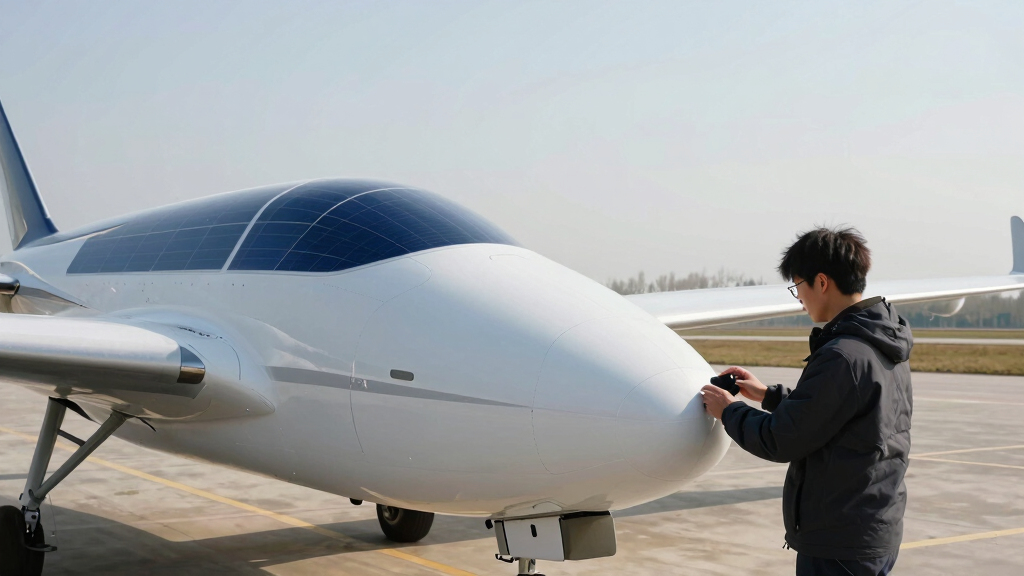
A solar-powered drone with a wingspan as wide as a Boeing 747 has completed the longest flight in its class, lasting over eight days, before ultimately crashing into the sea during severe weather conditions.
The drone, operated by Skydweller Aero, achieved a record-breaking flight of eight days and 14 minutes, surpassing previous endurance milestones for solar aircraft. It was conducting military testing and maritime patrol exercises for the US Navy and Southcom in the Gulf of Mexico and Caribbean regions. The drone was last tracked near Cancun, Mexico, on May 4, where it performed a controlled water ditching after encountering extreme weather, including high vertical air mass variability. Despite systems functioning normally, the aircraft lacked sufficient energy reserves to withstand the storm, leading to its sinking. The flight validated the practical military utility of persistent solar aircraft, though the aircraft was lost at sea. This marks the end of the aircraft’s operational life, with no immediate replacements available from Skydweller Aero.
Why It Matters
This event demonstrates the potential for solar-powered aircraft to perform extended missions, which could influence future military and civilian applications. The crash underscores the challenges of operating renewable-energy aircraft in extreme weather, highlighting both technological progress and current limitations. The loss also impacts the historical record of solar aviation and may influence future designs and operational strategies.
As an affiliate, we earn on qualifying purchases.
Background
Skydweller Aero modified the original Solar Impulse 2 aircraft for military and endurance testing, with previous notable achievements including the first solar-powered ocean crossings. The drone’s recent flight set a new endurance record, but its final mission coincided with severe weather conditions that proved insurmountable. The aircraft’s role in military exercises and maritime surveillance reflects ongoing interest in autonomous, renewable-energy aircraft for defense and security purposes, amid broader debates over the legality and ethics of military strikes against drug trafficking in the region.
“The aircraft demonstrated the practical military utility of persistent, medium-altitude solar aircraft, despite its loss at sea.”
— Skydweller Aero spokesperson
“The drone supported maritime surveillance and integrated with other assets during the FLEX exercises.”
— US Navy
What Remains Unclear
It remains unclear whether salvage operations will recover the aircraft or if future missions will incorporate lessons learned from this incident. The precise impact of the crash on ongoing military or civilian projects is also still being evaluated. Details about the specific weather conditions and the drone’s exact failure mode are still emerging.
What’s Next
Skydweller Aero plans to analyze the flight data and weather conditions to improve future drone resilience. The company has indicated intentions to develop upgrades based on existing technology to better withstand extreme weather. Future missions and prototypes are expected to incorporate these lessons, though no immediate replacements are announced.
Key Questions
What was the significance of the drone’s flight?
The drone’s eight-day flight set a world record for solar-powered aircraft endurance, demonstrating the potential for renewable energy in persistent, autonomous flight.
Why did the drone crash?
The drone encountered severe weather with extreme vertical air mass variability, which led to its water ditching and sinking, despite systems functioning normally.
Will the drone be recovered?
It is not yet clear whether salvage operations will recover the aircraft; the company has not announced plans for recovery efforts.
What does this mean for future solar aircraft?
The incident highlights both the technological progress in solar-powered flight and the challenges of operating in extreme weather, informing future design and operational strategies.
Halloween Picks
halloween
As an affiliate, we earn on qualifying purchases.