

Choosing among the best iPhone models in this lineup comes down to whether you value newer hardware, camera flexibility, a compact body or a large display. I put the iPhone 16 first for its newer A18 chip, USB-C and broad carrier compatibility; the iPhone 14 Pro is the better fit if a 120 Hz screen and a three-camera system matter more. For a less feature-heavy everyday option, the iPhone 13 brings an OLED display and two rear cameras in an unlocked package.

Get the latest gadgets delivered free — and shop member deals
- Fast, free delivery on millions of items
- Access to Prime Big Deal Days deals on October 6–7
- Prime Video, Amazon Music and more included
Every option here is renewed, so condition and included accessories deserve attention alongside the listed specifications. The lineup spans different compromises: the 14 Pro Max is tied to Verizon, the 12 mini is compact but older, and the iPhone 16’s display refreshes at 60 Hz. I rank these models by how well their combination of capabilities, usability and limitations fits a distinct buyer, rather than treating the newest or largest phone as an automatic winner.
Complete the kit



Key Takeaways
- The unlocked iPhone 16 is my best overall pick for its newer A18 chip, USB-C, 48 MP camera and 22-hour stated average battery life.
- The iPhone 14 Pro offers a 120 Hz ProMotion display and three rear cameras; choose it over the iPhone 16 if those display and camera advantages matter more to you.
- The iPhone 13 is the straightforward everyday choice, with an unlocked 6.1-inch OLED screen and wide and ultra-wide rear cameras.
- The iPhone 12 mini is the compact pick, but the listing gives little detail about its display, cameras or battery beyond an 80% minimum capacity guarantee.
- The iPhone 14 Pro Max has the largest stated screen at 6.7 inches, but its Verizon lock and listed lack of water resistance make it less flexible.
| Apple iPhone 16, 128GB, Black, Unlocked (Renewed) |  | Best Overall | Model year: 2024 | Display: 6.1-inch OLED, 2556 × 1179, 60 Hz | Processor: Apple A18 | VIEW LATEST PRICE | See Our Full Breakdown |
| Apple iPhone 14 Pro, 128GB, Deep Purple, Unlocked (Renewed) |  | Best for Display and Camera Enthusiasts | Display: 6.1-inch Super Retina XDR OLED | Resolution: 2556 × 1179 | Refresh rate: 120 Hz | VIEW LATEST PRICE | See Our Full Breakdown |
| Apple iPhone 13, 128GB, Midnight, Unlocked (Renewed) | 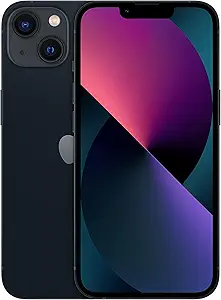 | Best Everyday Value | Display: 6.1-inch Super Retina XDR OLED, 2532 × 1170, 60 Hz | Rear cameras: 12 MP wide and 12 MP ultra-wide | Front camera: 12 MP | VIEW LATEST PRICE | See Our Full Breakdown |
| Apple iPhone 14 Pro Max, 128GB, Space Black, Verizon Locked (Renewed) |  | Best for a Large Pro Display | Display: 6.7-inch Super Retina XDR with Always-On and ProMotion | Processor: A16 Bionic | Main camera: 48 MP | VIEW LATEST PRICE | See Our Full Breakdown |
| Apple iPhone 12 Mini, 128GB, Green (Unlocked, Renewed) |  | Best Compact iPhone | Storage: 128 GB | Color: Green | Carrier: Unlocked; compatible GSM and CDMA carriers | VIEW LATEST PRICE | See Our Full Breakdown |
| iPhone model | Storage | Display | Carrier | Processor |
|---|---|---|---|---|
| Apple iPhone 16 | 128 GB | 6.1-inch OLED, 2556 × 1179, 60 Hz | Unlocked for all carriers | Apple A18 |
| Apple iPhone 14 Pro | 128 GB | 6.1-inch Super Retina XDR OLED | Unlocked for all carriers | Apple A16 Bionic |
| Apple iPhone 13 | 128 GB | 6.1-inch Super Retina XDR OLED, 2532 × 1170, 60 Hz | Unlocked | — |
| Apple iPhone 14 Pro Max | 128 GB | 6.7-inch Super Retina XDR with Always-On and ProMotion | — | A16 Bionic |
| Apple iPhone 12 Mini | 128 GB | — | Unlocked; compatible GSM and CDMA carriers | — |
More Details on Our Top Picks
Apple iPhone 16, 128GB, Black, Unlocked (Renewed)
The iPhone 16 is the broadest fit in this group because it pairs the newest listed chip, the A18, with an unlocked connection, USB-C and a 48 MP rear camera. Its 6.1-inch OLED display keeps the phone in the familiar size class shared by the iPhone 13 and 14 Pro, while the stated 22-hour average battery life gives buyers a useful point of comparison. These details make it an easy recommendation for someone who wants a current-feeling general-purpose iPhone without stepping up to the larger Pro Max.
Its main compromise is the 60 Hz refresh rate. The iPhone 14 Pro has ProMotion at 120 Hz, which can make scrolling and animations look smoother, and its three rear cameras give more shooting flexibility. The iPhone 16 counters with newer hardware, USB-C and an unlocked listing; compared with the iPhone 13, it also offers a higher-resolution main camera and a newer chip. This is a choice between a newer everyday foundation and the Pro models’ screen and camera extras.
The listing describes a renewed phone with a 90-day warranty, but does not specify a minimum battery-health threshold or cosmetic grade. I would check the seller’s condition details before buying and confirm that eSIM service works with the intended carrier. Its listed lack of water resistance is another point to weigh against the water-resistant iPhone 14 Pro. For most buyers who want one well-rounded pick from these five, the iPhone 16 balances flexibility and newer specifications best.
Pros:- A18 chip and 8 GB RAM are the newest listed core hardware in this comparison.
- Unlocked for all carriers, with eSIM support and USB-C.
- 48 MP rear camera supports 4K video capture.
- Listed average battery life is 22 hours, longer than the supplied iPhone 13 figure.
Cons:- The 60 Hz display is less fluid than the 120 Hz panels on the 14 Pro models.
- Renewed condition may vary, and no minimum battery capacity is stated in the supplied details.
- The listing says it is not water resistant.
Best for: Buyers who want a newer unlocked iPhone with USB-C, a 48 MP camera and the A18 chip in a 6.1-inch size.
Not ideal for: People who prioritize a 120 Hz display, prefer a physical SIM, or need a model listed as water resistant.
- Model year:2024
- Display:6.1-inch OLED, 2556 × 1179, 60 Hz
- Processor:Apple A18
- Rear camera:48 MP
- Storage:128 GB
- Carrier:Unlocked for all carriers
- Connector:USB Type-C
- Battery life:22 hours average, as listed
- Warranty:90 days
Our verdict“I recommend the unlocked iPhone 16 as the strongest all-around fit here if USB-C and newer hardware matter more than a 120 Hz screen.”
Apple iPhone 14 Pro, 128GB, Deep Purple, Unlocked (Renewed)
The iPhone 14 Pro is the specialist pick for buyers who notice screen smoothness and want a more flexible rear-camera setup. Its 6.1-inch OLED panel combines Always-On with 120 Hz ProMotion, while the three-camera system centers on a 48 MP main camera. Those are tangible reasons to choose it over the standard iPhone 13’s 60 Hz display and two-camera arrangement. The phone is also listed as unlocked and water resistant, which gives it a practical advantage over the larger Verizon-locked Pro Max in this roundup.
Compared with the iPhone 16, the 14 Pro trades the newer A18 and USB-C for its faster-refresh panel and triple-camera system. Buyers choosing between them should decide which difference will affect daily use: smoother motion and more camera options, or newer chip generation and a USB-C connector. The 14 Pro’s 128 GB capacity matches the other listed options, so frequent video recording may still call for managing storage.
This is a renewed device, and its condition may vary; the listing states a 90-day Amazon Renewed warranty. The single physical SIM slot may not suit someone who expects two physical SIMs, though dual-SIM support is listed. For a buyer who will use the display and camera advantages, the 14 Pro has a clearer purpose than a generic upgrade. If those features are secondary, I would choose the iPhone 16 for its newer hardware or the iPhone 13 for a simpler dual-camera setup.
Pros:- 6.1-inch OLED display adds Always-On and 120 Hz ProMotion.
- 48 MP main camera is part of a three-camera rear system.
- Unlocked listing supports use across carriers.
- Listed as water resistant, unlike the iPhone 16 and Pro Max listings.
Cons:- Renewed condition may vary, although a 90-day warranty is listed.
- Has a single physical SIM slot.
- The supplied details do not state an average battery-life figure.
Best for: Buyers who want a 120 Hz OLED screen and a three-camera rear system in an unlocked 6.1-inch phone.
Not ideal for: People who want USB-C, the newest chip in this lineup, or a clearly specified battery-life figure.
- Display:6.1-inch Super Retina XDR OLED
- Resolution:2556 × 1179
- Refresh rate:120 Hz
- Processor:Apple A16 Bionic
- Rear camera:48 MP, three cameras
- Storage:128 GB
- Carrier:Unlocked for all carriers
- Water resistance:Listed as water resistant
- Warranty:90-day Amazon Renewed warranty
Our verdict“I would pick the iPhone 14 Pro over the iPhone 16 when its smoother display and triple-camera system are the deciding features.”
Apple iPhone 13, 128GB, Midnight, Unlocked (Renewed)
The iPhone 13 makes the most sense for buyers who want the familiar essentials in an unlocked, mid-size phone. Its 6.1-inch OLED display has a sharp 2532 × 1170 resolution and supports Dolby Vision HDR, while the dual 12 MP rear cameras cover wide and ultra-wide views. Compared with the compact iPhone 12 mini, this gives users a more conventional screen size; compared with the 14 Pro, it gives up ProMotion and a 48 MP triple-camera system in favor of a simpler setup.
For daily photos and video, the listed 4K capture at up to 60 frames per second is a useful capability, and Face ID provides familiar biometric access. The phone’s unlocked status is an advantage over the Verizon-only 14 Pro Max, especially for buyers who may change carriers. Its listed 18-hour average battery life trails the iPhone 16’s 22-hour figure, though actual endurance depends on condition and use, particularly for a renewed handset.
The renewal details say the device is professionally inspected, tested and cleaned, but it is not Apple certified. Cosmetic condition may vary, and a generic box is possible. That caveat matters because the iPhone 16 listing includes a 90-day warranty, while the iPhone 13 details supplied here do not specify a warranty. I see this as the sensible middle choice for someone who values an OLED screen, two camera perspectives and carrier flexibility without needing the Pro models’ 120 Hz display.
Pros:- Unlocked for carrier flexibility.
- 6.1-inch OLED display supports Dolby Vision HDR.
- Dual rear cameras offer wide and ultra-wide views.
- Records 4K video at up to 60 frames per second.
Cons:- Renewed device is not Apple certified and may arrive in a generic box.
- The supplied details list a 60 Hz display rather than the Pro models’ 120 Hz.
- Listed average battery life is 18 hours, below the iPhone 16 figure.
Best for: Buyers who want an unlocked 6.1-inch iPhone with an OLED display, wide and ultra-wide cameras, and 4K video.
Not ideal for: People who want USB-C, a 120 Hz screen, newer-generation hardware or a clearly stated renewal warranty.
- Display:6.1-inch Super Retina XDR OLED, 2532 × 1170, 60 Hz
- Rear cameras:12 MP wide and 12 MP ultra-wide
- Front camera:12 MP
- Video:4K at up to 60 fps
- Storage:128 GB
- Carrier:Unlocked
- Connector:Lightning
- Biometric security:Face Recognition
- Battery life:18 hours average, as listed
Our verdict“I recommend the iPhone 13 as the straightforward everyday choice if an unlocked OLED phone with two useful camera views covers your needs.”
Apple iPhone 14 Pro Max, 128GB, Space Black, Verizon Locked (Renewed)
The iPhone 14 Pro Max is the screen-first choice in this comparison: its 6.7-inch Super Retina XDR display is the largest listed, with Always-On and ProMotion. That extra viewing area suits people who read, watch video or frame shots on their phone and who prefer a larger handset. It also shares the 14 Pro’s 48 MP main camera, A16 Bionic chip and 4K Dolby Vision video, so it retains the core Pro appeal while offering a bigger panel.
Its tradeoff is flexibility. This specific renewed listing is Verizon locked, whereas the iPhone 14 Pro, iPhone 13 and iPhone 16 are listed as unlocked. A buyer should confirm that Verizon service is acceptable before choosing it; the larger screen cannot offset a carrier restriction for someone who needs another network. The listing also says it is not water resistant, unlike the iPhone 14 Pro’s supplied specifications.
Compared with the iPhone 16, the Pro Max offers a larger and faster-refresh display, but the 16 has the newer A18 chip, USB-C and broader carrier freedom. Compared with the 14 Pro, the Max is primarily a size choice, not an obvious camera leap based on the supplied details. I would select it for the expansive screen and skip it if portability, unlocked service or water resistance is a priority. Renewal condition details beyond the renewed designation are not provided here.
Pros:- Largest listed display at 6.7 inches, with Always-On and ProMotion.
- 48 MP main camera supports 4K Dolby Vision video.
- A16 Bionic chip and 5G connectivity.
- Includes Crash Detection according to the supplied description.
Cons:- Locked to Verizon, unlike the unlocked alternatives in this roundup.
- The listing states that it is not water resistant.
- Its larger screen makes it less suited to buyers seeking a compact phone.
Best for: Verizon customers who want the largest screen in this lineup with ProMotion and a 48 MP main camera.
Not ideal for: Buyers who need an unlocked phone, a smaller body or a model listed as water resistant.
- Display:6.7-inch Super Retina XDR with Always-On and ProMotion
- Processor:A16 Bionic
- Main camera:48 MP
- Video:4K Dolby Vision
- Storage:128 GB
- Carrier lock:Verizon
- Cellular:5G
- Condition:Renewed
- Water resistance:Listed as not water resistant
Our verdict“I would choose the 14 Pro Max for its large ProMotion display only if the Verizon lock fits your carrier needs.”
Apple iPhone 12 Mini, 128GB, Green (Unlocked, Renewed)
The iPhone 12 mini is the clear pick for a buyer who wants a smaller phone that is easier to hold and carry than the 6.1-inch iPhone 13, 14 Pro and 16. It is also listed as unlocked for use with compatible GSM and CDMA carriers, giving it an advantage over the Verizon-locked Pro Max for people whose network supports it. The supplied details focus on storage, carrier status and renewal rather than screen or camera specifications, so I would not choose it over the better-documented models for photography or display features.
Its battery information deserves close attention. This listing guarantees at least 80% battery capacity after testing, which gives a lower bound but does not promise the same endurance as a newer device. The iPhone 13 listing states an 18-hour average battery life, and the iPhone 16 lists 22 hours; no comparable runtime is supplied for the mini. Buyers who spend long days away from a charger may be better served by either of those larger options.
The package includes a generic MFi-certified charging cable, but no headphones or SIM card. Carrier compatibility should be checked before purchase, even though the device is described as unlocked. This is a purpose-built small-phone recommendation rather than the safest all-round choice: the size is its distinguishing benefit, while age, battery uncertainty and sparse listed specifications are the reasons it ranks fifth. Choose the iPhone 13 if you want a larger screen and more detail about cameras and video.
Pros:- Compact mini form factor stands apart from the larger phones in this lineup.
- Unlocked for compatible GSM and CDMA carriers.
- Renewal listing guarantees at least 80% battery capacity.
- Includes a generic MFi-certified charging cable.
Cons:- Battery capacity is guaranteed only to a minimum of 80%, with no runtime figure supplied.
- Headphones and SIM card are not included.
- Carrier compatibility needs to be checked, and the supplied details omit display and camera specifications.
Best for: People who specifically want a compact, unlocked iPhone and have confirmed their carrier is compatible.
Not ideal for: Buyers who prioritize longer stated battery life, detailed camera specifications or a large screen.
- Storage:128 GB
- Color:Green
- Carrier:Unlocked; compatible GSM and CDMA carriers
- Condition:Renewed
- Minimum battery capacity:80%
- Included accessory:Generic MFi-certified charging cable
- Not included:Headphones and SIM card
Our verdict“I recommend the iPhone 12 mini only when compact size is the main priority and its carrier and battery terms suit you.”

How We Picked
I compared these five listed models by the details a buyer can use to distinguish them: screen size and refresh rate, camera setup, chip generation, stated battery information, connector, carrier status and renewal terms. Those differences determine whether a phone is more suited to photography, a compact grip, flexible carrier choice or a large viewing area. I used the supplied product details and did not assume specifications that were absent from a listing.
Carrier flexibility affects the ranking because an unlocked phone is easier to consider across compatible networks, while the 14 Pro Max is specifically Verizon locked. I also gave weight to practical distinctions such as the iPhone 16’s USB-C connector, the Pro models’ 120 Hz displays and the 12 mini’s stated minimum battery capacity. The supplied information does not establish identical renewal standards across listings, so I call out renewal condition and warranty details where provided rather than treating all renewed units as equivalent.
The order reflects the strength of each phone for its intended role and the size of its tradeoffs. The iPhone 16 leads as a broadly capable, newer model, followed by the 14 Pro for its distinctive high-refresh display and camera system. The iPhone 13 follows as a balanced unlocked choice; the Pro Max offers a compelling big screen but is limited by its carrier lock and water-resistance listing. The 12 mini earns a place for people seeking a smaller phone, with age and thinner listing detail lowering its position for general buyers.
| iPhone model | Processor | Carrier |
|---|---|---|
| Apple iPhone 16 | Apple A18 | Unlocked for all carriers |
| Apple iPhone 14 Pro | Apple A16 Bionic | Unlocked for all carriers |
| Apple iPhone 13 | — | Unlocked |
| Apple iPhone 14 Pro Max | A16 Bionic | — |
| Apple iPhone 12 Mini | — | Unlocked; compatible GSM and CDMA carriers |
Factors to Consider When Choosing Best IPhone Models
I would narrow this lineup by matching the phone’s strongest difference to the way you use it. Start with screen size and carrier status, then weigh camera needs, connector and the renewal details.Choose a screen size and refresh rate
The iPhone 14 Pro Max has the largest panel here at 6.7 inches, while the iPhone 12 mini is the compact option. The iPhone 13, 14 Pro and 16 each list a 6.1-inch screen. Size affects how much room you have for video, reading and on-screen controls, as well as how the device feels in a pocket or one hand. Among the 6.1-inch phones, the 14 Pro stands apart with a listed 120 Hz refresh rate and Always-On display. The iPhone 16 and iPhone 13 are listed at 60 Hz, so the Pro is the pick for smoother motion.
Match cameras to the photos you take
The 14 Pro models are the most camera-focused options based on the supplied details: both include a 48 MP main camera, and the 14 Pro is specified with three rear cameras. The iPhone 16 also has a 48 MP rear camera and 4K video, while the iPhone 13 gives you two 12 MP views, wide and ultra-wide. These numbers describe different camera arrangements; megapixels alone do not establish which image will look best in every situation. The iPhone 12 mini listing supplied here does not set out camera specifications, so it is harder to compare for photography.
Check carrier status before choosing
Four phones are described as unlocked or unlocked for all carriers, though the mini’s listing still advises checking compatibility. The 14 Pro Max is Verizon locked, so it is the least flexible choice if you use another network or may switch later. Confirm the exact carrier and SIM requirements for your plan before buying. The iPhone 16 is eSIM-only according to its supplied details, while the 14 Pro lists a single physical SIM slot alongside dual-SIM support. These distinctions may matter if you transfer a physical SIM between phones.
Consider battery information and renewed condition
Battery details are uneven across these listings. The iPhone 16 states a 22-hour average, the iPhone 13 lists 18 hours, and the iPhone 12 mini guarantees at least 80% battery capacity without giving a runtime. No battery-life figure is supplied for either 14 Pro model. Treat these as listed specifications rather than a guarantee of your personal daily use, since screen time, settings and a renewed unit’s condition affect endurance. Compare the seller’s condition terms and warranty for the exact listing; the iPhone 16 and 14 Pro each list a 90-day warranty, while the supplied details for the other phones do not specify one.
Think about connectors and storage
All five listings specify 128 GB of storage, so buyers who keep large photo libraries or record lots of video should plan how they will manage space. The iPhone 16 uses USB-C, while the iPhone 13 lists Lightning. The supplied details do not identify the connector for the other models, so check their listing if cable compatibility is a deciding factor. USB-C on the 16 can reduce cable switching for buyers whose other devices use that connector, while Lightning may fit an existing Apple accessory setup.
Frequently Asked Questions
Which iPhone in this comparison is best for most buyers?
I would start with the unlocked iPhone 16. It combines the newest listed chip, USB-C, a 48 MP camera and a 6.1-inch OLED screen, while its carrier status is more flexible than the Verizon-locked 14 Pro Max. Pick the 14 Pro instead if a 120 Hz display and three rear cameras matter more than newer hardware and USB-C.
Which model has the best screen for smooth scrolling?
The iPhone 14 Pro and iPhone 14 Pro Max are the listed 120 Hz ProMotion options, and both also have Always-On displays. The Pro Max provides a larger 6.7-inch viewing area, while the 14 Pro keeps the display to 6.1 inches. The iPhone 16 has a newer chip but a listed 60 Hz refresh rate, so I would choose a Pro model for screen smoothness.
Which of these iPhones is unlocked?
The iPhone 12 mini is described as unlocked for compatible GSM and CDMA carriers; the iPhone 13 and 14 Pro are listed as unlocked, and the iPhone 16 is unlocked for all carriers. The iPhone 14 Pro Max is Verizon locked. Before buying, I would verify compatibility with the specific network and SIM setup you plan to use, especially for the mini and the eSIM-only iPhone 16.
Is the iPhone 12 mini a good choice for everyday use?
It can be a good fit if a compact phone is your main requirement and your carrier is compatible. The supplied renewal terms guarantee at least 80% battery capacity, but do not give a runtime figure, and the listing details here omit display and camera specifications. For a larger screen and clearer camera and video details, I would look at the unlocked iPhone 13.
What should I check when buying one of these renewed iPhones?
I would review the seller’s condition grade, battery terms, warranty, carrier lock and included accessories for the exact listing. These details differ: the mini states an 80% minimum battery capacity, while the iPhone 16 and 14 Pro list a 90-day warranty; the iPhone 13 may arrive in a generic box and is not Apple certified. Also check whether the phone uses eSIM or a physical SIM and whether its connector suits your existing cables.
Conclusion
For the broadest combination of newer hardware and carrier flexibility, I recommend the unlocked iPhone 16. Choose the iPhone 14 Pro if your priorities are its 120 Hz screen and three-camera system, or the iPhone 13 if an OLED display, two camera views and an unlocked listing are enough. The iPhone 14 Pro Max is for Verizon customers who want a large display, and the iPhone 12 mini is for buyers who place compact size above the newer models’ more complete listed specifications. Check each renewed listing’s condition and carrier details before deciding.
Fall Picks
fall essentials
As an affiliate, we earn on qualifying purchases.