
Understanding R‑value helps you choose a sleeping pad that keeps you warm on cold nights. It measures how well your pad resists heat transfer, with higher values providing better insulation. For temperatures above freezing, R‑values of 2-3 work, but for winter conditions, aim for 4 or higher. Think about your environment and layering to stay warm. If you’re curious about selecting the right R‑value for your trip, there’s more to explore below.
Key Takeaways
- R‑value measures a sleeping pad’s thermal resistance; higher values mean better insulation against cold ground.
- R‑value of 2-3 suits mild conditions, while 4+ is recommended for cold weather and winter camping.
- Material, thickness, and construction influence a pad’s R‑value and overall insulation.
- Match the R‑value to expected outdoor temperatures for optimal warmth and safety.
- Combining high R‑value pads with proper clothing and sleeping bags enhances cold-weather comfort.
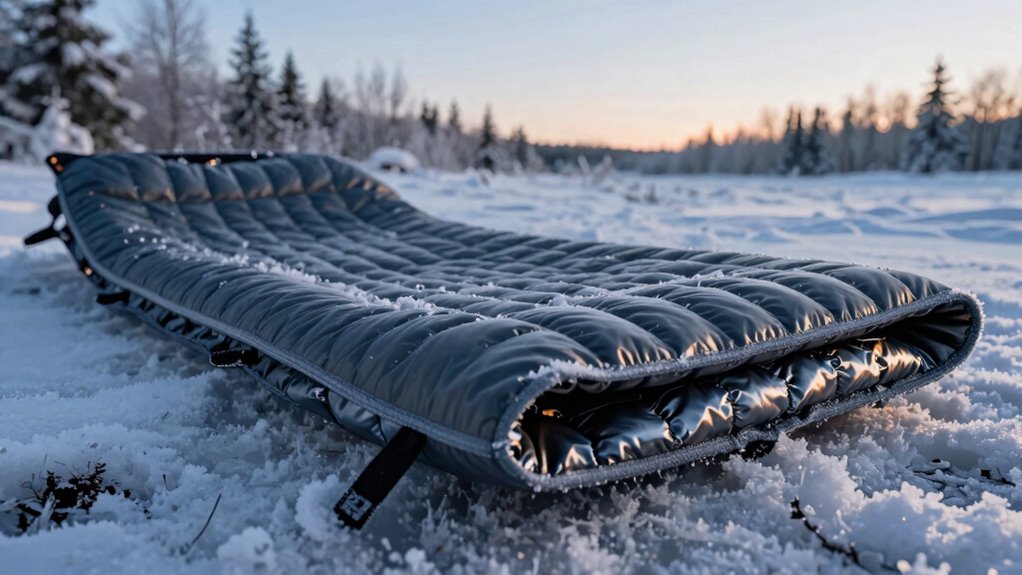
Ever wondered how to stay warm and comfortable while camping or backpacking? One of the most important factors is choosing the right sleeping pad, and understanding its R‑value is key. The R‑value measures a pad’s insulation, which determines how well it resists heat loss from your body to the cold ground. When you’re out in the wilderness, the ground can sap your body heat quickly, especially at night when temperatures drop. Knowing the R‑value helps you select a sleeping pad that offers enough protection against the cold, ensuring a restful night’s sleep.
The first thing to understand is that R‑value is a standardized measurement of a pad’s thermal resistance. The higher the R‑value, the better the pad insulates you from the cold ground. For instance, if you’re camping in mild conditions where temperatures stay above freezing, a pad with an R‑value of 2 to 3 might suffice. But if you’re heading into colder environments, you’ll want a pad with an R‑value of 4 or higher. This rating directly relates to the pad insulation, which is often influenced by the materials and construction used to trap air and prevent heat transfer. Thick, foam-based pads tend to have higher R‑values, while lightweight inflatable pads may have a range depending on their design and materials.
Temperature ratings are often provided by manufacturers, but it’s essential to understand that these are general guidelines. They suggest the lowest temperature at which you’ll stay warm, but individual factors like body size, clothing, and sleep habits also play a role. For cold-weather camping, combining a high R‑value pad with appropriate clothing layers can considerably improve your comfort and safety. Additionally, the thermal resistance of your sleeping system can be affected by the overall insulation, including your sleeping bag and clothing choices, which work together to maintain warmth.
When choosing a sleeping pad, assess the typical temperatures you’ll encounter on your trip and match those with the pad’s R‑value. Remember that pad insulation is just one part of the equation; the overall insulation system includes your sleeping bag and clothing. An R‑value of 5 or more is ideal for winter camping, while an R‑value below 3 works well for summer or mild conditions. Ultimately, investing in the right pad insulation based on your expected environment can make all the difference between a miserable, cold night and a cozy, restorative sleep. Keep these factors in mind, and you’ll be better prepared to tackle cold nights comfortably and confidently.

Elegear CumbreX™ Sleeping Pad for Camping with 9 R-Value, 4” Thick Ultralight Camping Sleeping Mat for All Seasons, Insulated Backpacking sleeping pad, Durable Camping Mattress for Outdoor Hiking Tent
【9 R-Value Certified】Built with an advanced 9-layer insulation system, this camping sleeping pad delivers an exceptional R-value of…
As an affiliate, we earn on qualifying purchases.
As an affiliate, we earn on qualifying purchases.
Frequently Asked Questions
How Do R-Values Compare Across Different Sleeping Pad Brands?
When comparing R-values across different sleeping pad brands, you’ll find variations due to insulation materials and construction quality. Some brands use advanced synthetic or down insulation that offers higher R-values for similar thickness. Always check brand comparisons to see how their R-values translate into warmth, and consider the type of insulation used, as it impacts performance. This helps you choose the best pad for your cold-weather adventures.
Can I Use Multiple Sleeping Pads to Increase R-Value?
Yes, you can layer multiple sleeping pads to boost your R-value, enhancing insulation against cold. Using layering strategies, place a closed-cell foam pad beneath an inflatable or air pad to increase overall R-value. This method serves as an insulation substitute if a single pad isn’t enough. Just ensure they fit well together to prevent gaps and cold spots, giving you better warmth and comfort on chilly nights.
How Does R-Value Affect Comfort During Sleep?
R-value is like a warm blanket for your sleep, directly impacting your comfort by providing insulation properties that trap heat. Higher thermal resistance means your body stays warmer, making sleep more restful in cold conditions. If your sleeping pad has a low R-value, you might feel chilly and restless. Choosing a pad with an appropriate R-value guarantees you stay cozy, turning your sleep into a comforting cocoon against the cold.
Are Higher R-Values Always Better for Winter Camping?
Higher R-values aren’t always better for winter camping because they depend on insulation thickness and material weight. While a higher R-value offers more warmth, it can make your pad bulkier and heavier, reducing portability. If you camp in extreme cold, a higher R-value is beneficial, but for milder winter conditions, a lower R-value with lighter, thinner insulation might be more comfortable and convenient. Balance warmth and packability for the best experience.
How Do R-Values Relate to Sleeping Pad Durability?
Imagine lying on a sturdy, resilient sleeping pad that keeps you warm and supported through freezing nights. R-values relate to durability as higher R-values often come from thicker, more robust sleeping pad materials tested under rigorous R-value testing. These materials withstand wear and tear better, ensuring your pad lasts longer. So, while higher R-values enhance insulation, they also tend to improve overall durability, giving you dependable comfort on cold adventures.
Elegear CumbreX™ Sleeping Pad for Camping with 9 R-Value, 4” Thick Ultralight Camping Sleeping Mat for All Seasons, Insulated Backpacking sleeping pad, Durable Camping Mattress for Outdoor Hiking Tent
【9 R-Value Certified】Built with an advanced 9-layer insulation system, this camping sleeping pad delivers an exceptional R-value of…
As an affiliate, we earn on qualifying purchases.
As an affiliate, we earn on qualifying purchases.
Conclusion
Understanding the R-value of your sleeping pad is like having a warm shield against the cold. It’s your armor that keeps you cozy when temperatures drop. By choosing the right R-value, you’re ensuring a good night’s sleep no matter how chilly the night gets. Don’t let the cold catch you off guard—think of your sleeping pad as the bridge that keeps you comfortable across the cold, dark waters of winter camping. Stay warm, stay safe!

Therm-a-Rest Z Lite Sol Camping and Backpacking Sleeping Pad, Blue/Silver, Regular – 20 x 72 Inches
Lightweight and compact closed-cell foam camping mattress is a durable, dependable, and economical option for sleeping on the…
As an affiliate, we earn on qualifying purchases.
As an affiliate, we earn on qualifying purchases.
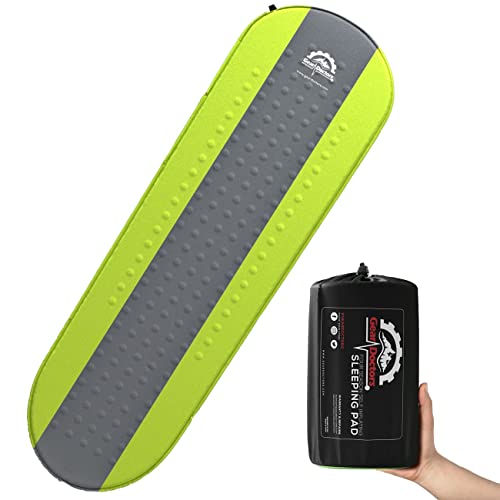
Gear Doctors Oxylus 4.3R-Value Insulated Foam Self Inflating Sleeping Pad Camping—Sleeping Pad Backpacking Air Mattress—Camping Mattress Self Inflating Camp Mat 4 Seasons Sleep Mat—Camp/Floor/Tent/Cot
【𝐒𝐌𝐀𝐑𝐓 𝐁𝐀𝐋𝐀𝐍𝐂𝐄 𝐎𝐅 𝐖𝐀𝐑𝐌𝐓𝐇, 𝐖𝐄𝐈𝐆𝐇𝐓 & 𝐄𝐀𝐒𝐄】Oxylus Self inflating camping pad Pro-Engineered for max comfortable and versatile uses…
As an affiliate, we earn on qualifying purchases.
As an affiliate, we earn on qualifying purchases.