TL;DR
Meta’s latest smart glasses include a complete facial recognition system on the device, discovered through app inspection. While the machinery is functional, it is not yet active for users. This development raises privacy concerns and indicates potential future features.
Meta’s latest smart glasses, as revealed through a recent app inspection, include a fully assembled facial recognition system on the device. While the system’s components are present and operational in testing, it is not yet active for users, and no identity data has been pushed to Meta’s servers. Learn more about smart glasses.
The discovery was made by inspecting version 273.0.0.21 of Meta’s Stella app, which revealed the presence of on-device facial recognition models, a biometric database, and a recognition pipeline. The system includes three face detection and embedding models totaling approximately 100 MB, which are capable of detecting faces, cropping, aligning, and converting them into 2048-dimensional biometric embeddings. These are stored locally in a database schema designed for remote updates, but no evidence suggests they are actively being used to identify or track individuals at this stage.
Meta has not confirmed whether the facial recognition feature is enabled for regular users. The user interface elements for recognition are missing from the current build, and no identity data has been observed being transmitted to Meta’s servers. The machinery is present and functional, indicating readiness for future deployment, but the feature remains inactive.
Why It Matters
This development signals that Meta is preparing to implement on-device facial recognition in its smart glasses, which could enable features like automatic identification or social recognition. The presence of this technology raises privacy concerns, especially regarding user consent, data security, and potential surveillance. It also highlights the increasing integration of biometric capabilities in consumer devices, prompting questions about regulation and user control.

Lockin Veno Solar Face Smart Lock – Facial Recognition Keyless Entry Deadbolt – Solar Powered for Perpetual Battery Life – Built-in WiFi – Works with Apple Home, Alexa & Google Home – No Subscription
Industry-First Perovskite Solar Power: Near-perpetual battery life via integrated 37Wh battery and solar panel that captures 11hrs of…
As an affiliate, we earn on qualifying purchases.
As an affiliate, we earn on qualifying purchases.
Background
Meta has been investing in augmented reality and smart glasses, with Stella serving as a companion app. Previous reports focused on hardware development and user interface features, but this is the first confirmed evidence of embedded facial recognition capabilities. The technology is based on open-source models widely used in academic and commercial face recognition systems, scaled for mobile deployment. See the best smart glasses.
“We are continuously exploring new ways to enhance our products, but no facial recognition features are active for users at this time.”
— Meta spokesperson
“The machinery for facial recognition is fully assembled and functional on the device, but it appears to be gated and not yet in use for regular users.”
— Tech researcher who discovered the system
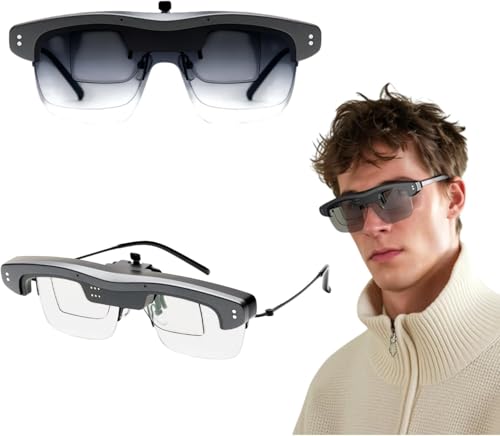
MLVISION Ultra-Light AR Smart Glasses World's First Clip-On Micro-LED AR Display, Immersive Private Screen, AI Productivity, Real-Time Translation & Navigation
World's First Clip-On AR Glasses Design: Innovative clip-on structure lets you easily attach the AR display to your…
As an affiliate, we earn on qualifying purchases.
As an affiliate, we earn on qualifying purchases.
What Remains Unclear
It remains unclear when Meta plans to activate this facial recognition system for users, or whether it will be used for identification, social features, or other purposes. The extent of remote data transmission and user control over the feature is also unknown, as the current build does not show active UI or server-side updates.
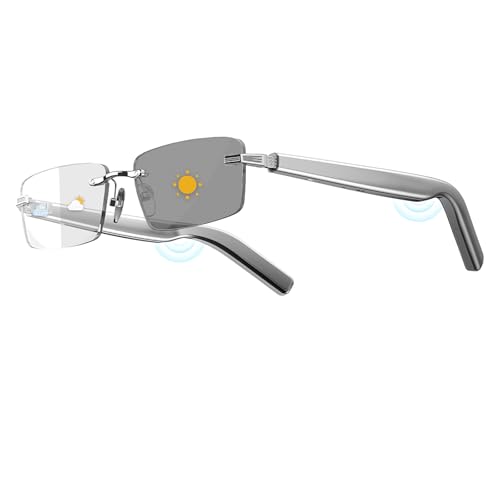
Lightweight Rimless Smart Glasses with Self-Tinting Lenses – Bluetooth Open-Ear Audio, No Camera for Privacy, All-Day Comfort
【All-Day Comfort, Lightweight Design】 Rimless, frameless build designed for extended wear. Customers report a comfortable, barely-there feel with…
As an affiliate, we earn on qualifying purchases.
As an affiliate, we earn on qualifying purchases.
What’s Next
Meta is likely to continue testing and refining the facial recognition system before any public deployment. Future updates may include enabling recognition features, user interface elements, and server-side data handling. Monitoring for official announcements or new app versions will be essential to understand the latest smart glasses deals.

ai Glasses Accessories smart Glasses Accessories Smart Glasses Audio Concentrator Compatible with Meta RayBan/Rokid/XREAL/VITURE/Rayneo/XIAOMI
smart glasses audio concentrator
As an affiliate, we earn on qualifying purchases.
As an affiliate, we earn on qualifying purchases.
Key Questions
Is Meta currently using facial recognition on its smart glasses?
No, the facial recognition system is present and functional in the hardware and software, but it is not yet active for users, and no identity data has been transmitted.
Could Meta activate facial recognition without user consent?
It is uncertain what policies Meta will implement regarding activation and user consent, but the presence of the machinery suggests future deployment possibilities.
What are the privacy implications of this technology?
This raises concerns about potential surveillance, data security, and user privacy, especially if the system is activated without clear user control or transparency.
When might users see facial recognition features in Meta’s glasses?
There is no official timeline; Meta has not announced plans to activate the system. Future updates or announcements are expected to clarify this.
Source: Hacker News