
TL;DR

Get the latest gadgets delivered free with Prime
- Fast, free delivery on millions of items
- Prime Video, Amazon Music and more included
- Member-only deals all year
Japan faces embarrassment over outdated cash register technology and complex fiscal policy hurdles. Prime Minister Takaichi’s comments highlight logistical issues, but deeper systemic problems remain. The situation impacts Japan’s economic credibility and future reforms.
Japanese Prime Minister Sanae Takaichi criticized logistical hurdles in her plan to freeze the consumption tax on food, highlighting an embarrassing issue for the country.
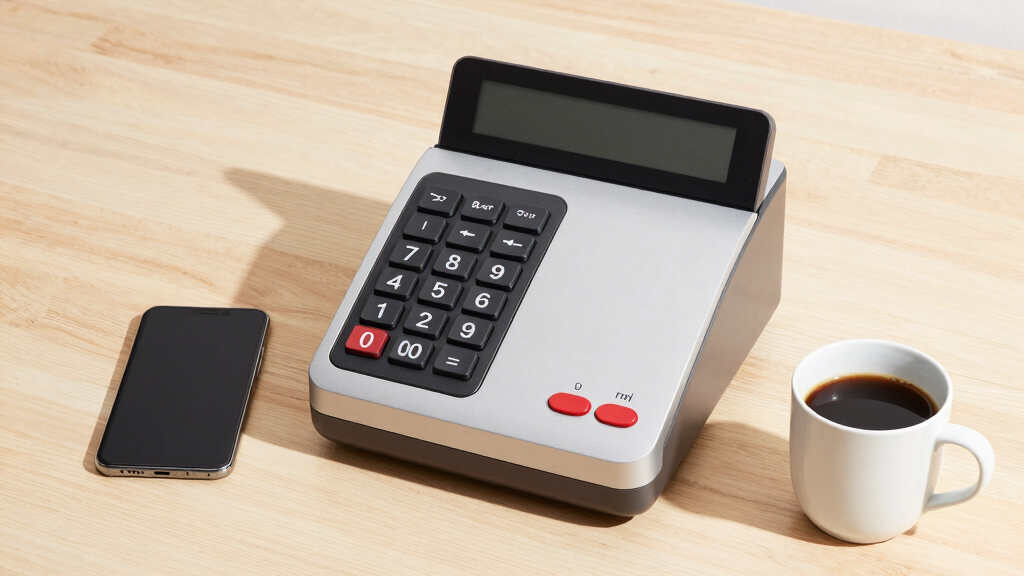
During a recent public statement, Prime Minister Takaichi expressed frustration over the difficulties in implementing her proposed tax freeze, citing outdated cash register systems across Japan as a significant obstacle. The issue of aging technology is well-documented, with many businesses still relying on obsolete point-of-sale systems that cannot easily accommodate new tax policies.
In addition to technological challenges, Takaichi pointed to broader fiscal policy hurdles, including complex bureaucratic processes and resistance from various stakeholders. These logistical and administrative issues have hampered efforts to make swift policy changes, raising questions about Japan’s capacity to adapt quickly to economic needs.
Officials from Japan’s Ministry of Finance confirmed that many small and medium-sized enterprises still use cash registers that are decades old, complicating efforts to implement tax reforms efficiently. Experts note that this outdated infrastructure not only hampers policy execution but also signals deeper systemic issues within Japan’s fiscal management.
Why It Matters
This situation underscores a broader embarrassment for Japan, which is often seen as a developed economy struggling with outdated infrastructure and bureaucratic inertia. The inability to modernize cash register systems reflects on the country’s capacity to implement economic reforms swiftly and effectively. Such logistical issues can undermine public confidence in government policies and complicate efforts to address fiscal deficits and aging demographics.
Furthermore, the incident highlights the disconnect between Japan’s technological advancements and its administrative systems, which could hinder future policy initiatives and economic competitiveness. The embarrassment is not merely technical but symbolic of deeper structural challenges that Japan must confront to sustain long-term growth.
modern point of sale (POS) systems for small business
As an affiliate, we earn on qualifying purchases.
As an affiliate, we earn on qualifying purchases.
Background
Japan has long faced issues related to aging infrastructure and bureaucratic rigidity. The country’s cash register systems, many of which date back to the 1980s or earlier, have been a known problem for years, but efforts to modernize have lagged due to costs and administrative resistance. Recent discussions around fiscal policy, including the proposed freeze on consumption tax, have brought these issues into sharper focus.
Prime Minister Takaichi’s comments follow a series of debates about Japan’s economic reforms, which have been slowed by political and logistical hurdles. The government has previously announced initiatives to digitize tax collection, but progress remains slow. The current controversy reveals the gap between policy ambitions and practical implementation capabilities.
“The logistical hurdles we face are more embarrassing than the policy itself. Our outdated cash registers are a symbol of how slow reform can be.”
— Prime Minister Sanae Takaichi
“Many small businesses still rely on cash registers from the 1980s, which makes implementing new tax policies challenging.”
— Ministry of Finance official
What Remains Unclear
It is still unclear how quickly Japan will be able to modernize its cash register systems or if the government will prioritize this overhaul alongside other fiscal reforms. The extent of resistance from businesses and bureaucratic agencies remains uncertain.
What’s Next
The Japanese government is expected to announce a timeline for upgrading fiscal infrastructure, including plans to modernize cash registers. Policy reforms related to tax adjustments may be delayed until these technological issues are addressed. Monitoring developments in digital infrastructure initiatives will be key in assessing progress.
Key Questions
Why are outdated cash registers a problem for Japan?
They complicate the implementation of new tax policies and reflect broader issues of technological stagnation in Japan’s business infrastructure.
What does this mean for Japan’s economic reforms?
The logistical hurdles could delay or weaken efforts to reform fiscal policies, impacting Japan’s ability to adapt quickly to economic challenges.
Is this issue unique to Japan?
No, many developed countries face challenges modernizing legacy systems, but Japan’s extensive reliance on outdated infrastructure makes it particularly acute.
Halloween Picks
halloween
As an affiliate, we earn on qualifying purchases.