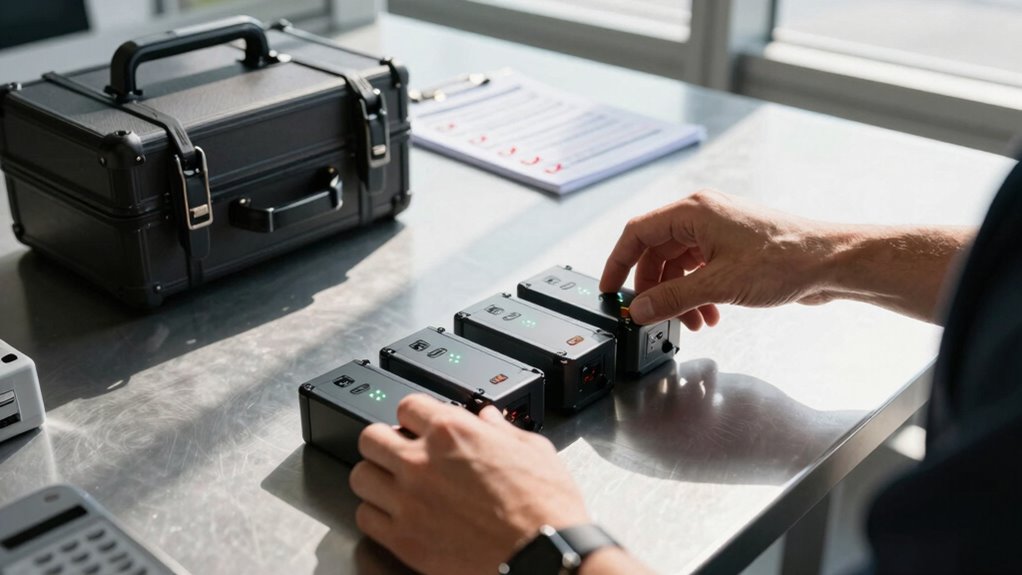

When preparing to travel with your drone, make sure your batteries are in good condition and stored safely in fireproof containers. Check airline and local regulations on batteries and drone usage at your destination, and declare batteries if needed. Avoid common mistakes like neglecting permit requirements or assuming familiarity with local rules, as these can cause delays or confiscation. Keeping firmware updated and packing essential equipment helps guarantee a smooth trip. Stay informed about safety tips and regulations for a worry-free adventure.
Listen free for 30 days with Audible
Thousands of audiobooks and originals — cancel anytime.
As an affiliate, we earn on qualifying purchases.
Key Takeaways
- Ensure batteries are in good condition, properly stored, and declared if required during travel to prevent safety issues.
- Check airline and destination regulations on drone use, registration, and no-fly zones to avoid fines or confiscation.
- Update drone firmware and pack essential accessories to ensure optimal performance and readiness.
- Carry proof of registration or permits and keep the drone accessible for inspections to prevent delays.
- Avoid assuming exemption from local rules; review regulations to prevent legal issues or equipment confiscation.
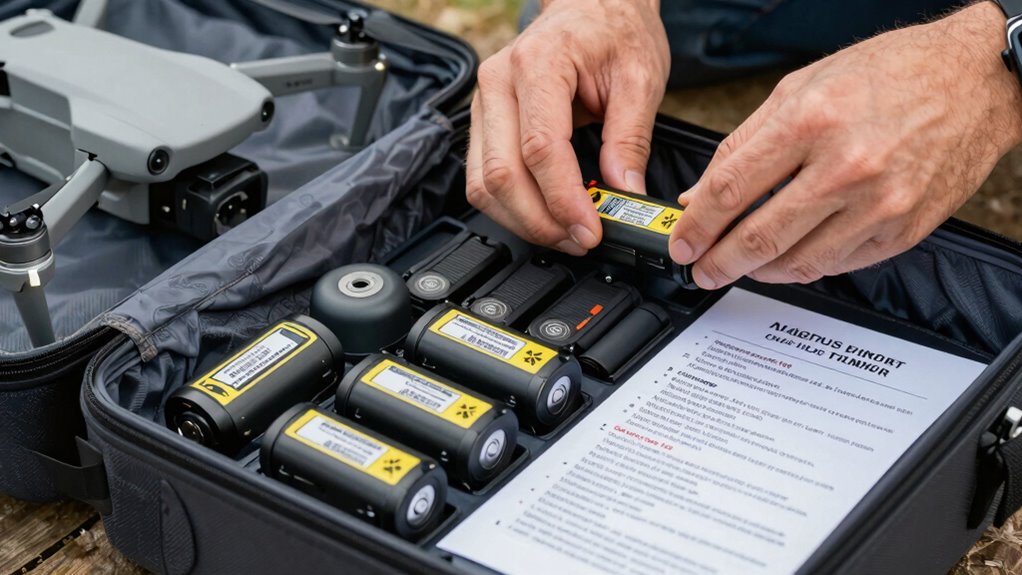
Planning a drone trip requires careful preparation to guarantee your equipment is ready and you comply with all regulations. One of the most critical aspects is battery safety. Lithium-ion batteries power your drone, but they can be dangerous if mishandled. You need to confirm your batteries are in good condition, free from damage or swelling, and stored properly. Always carry spares in a fireproof container, and avoid exposing them to extreme temperatures or direct sunlight. When traveling, check airline and transportation policies about carrying batteries. Many airlines restrict the size and number of batteries you can bring, so pack accordingly and declare them if required. Mishandling battery safety can lead to fires or delays, so prioritize safe storage and transport.
Ensure batteries are in good condition, stored safely, and comply with airline policies for a safe drone trip.
Understanding travel regulations is equally essential. Different countries and regions have specific rules about drone use, registration, and where you can fly. Before you pack your drone, research these regulations thoroughly. Some areas prohibit drone flights altogether, while others require permits or registration. Ignoring these rules can result in hefty fines, confiscation, or even legal trouble. Be aware of no-fly zones, especially around airports, government buildings, or protected natural sites. Many countries have online databases or apps that help you verify whether your planned flight locations are compliant with local laws. Staying informed ensures you won’t get stopped at security checks or customs because of overlooked regulations. Additionally, understanding the importance of compliance can help avoid unnecessary complications during your trip. It’s also helpful to familiarize yourself with labelling and documentation practices required for drone travel, as they can vary by country.
Another common mistake travelers make is assuming their drone is exempt from local rules or that they can ignore standard procedures. It’s tempting to skip reading the guidelines, especially if you’re excited to fly. However, doing so can lead to trouble with authorities, confiscation of your equipment, or safety hazards. Always carry documentation, such as proof of registration or permits, if applicable, and keep your drone in a place where it’s easily accessible for inspection. Moreover, reviewing regulatory updates before departure can help you stay current on any new restrictions or changes in laws that could impact your trip. Staying updated on local drone laws is essential, as they can change frequently and vary significantly between regions.
Lastly, don’t forget about the importance of preparing your drone’s firmware and accessories before your trip. Updating firmware ensures peak performance and safety features, reducing the risk of malfunction mid-flight. Pack necessary tools, extra propellers, and chargers. This preparation minimizes surprises and helps you focus on capturing great footage without worry. Additionally, familiarizing yourself with battery safety protocols and handling guidelines can significantly reduce risks during your travel. Remember, meticulous planning around battery safety and travel regulations isn’t just about avoiding penalties—it’s about ensuring a safe, smooth, and enjoyable drone trip.

2 Pack Lipo Safe Bag Fireproof, lithium battery bag fireproof and Explosionproof, Lipo Battery Storage Guard Safe Pouch for Charge and Storage
- Safety Design: Double zipper for secure closure
- Fireproof Material: Triple-layer fireproof fabric withstands high heat
- Size and Capacity: Compact 170x110x85mm holds 6 lipos
As an affiliate, we earn on qualifying purchases.
As an affiliate, we earn on qualifying purchases.
Frequently Asked Questions
How Long Before My Trip Should I Charge Drone Batteries?
You should charge your drone batteries about 24 hours before your trip to guarantee ideal battery maintenance. Charging timelines vary based on battery size and capacity, so check your drone’s manual for specific recommendations. Avoid leaving batteries fully discharged for long periods, as it can damage them. By charging them a day ahead, you give yourself plenty of time to verify they’re fully charged and ready, preventing last-minute issues during your flight.
Are There Specific Travel Restrictions for Drones Internationally?
Yes, there are specific international drone restrictions you should know. Each country has its own rules, and you must check their customs clearance procedures before traveling. Some places require permits or registration, while others ban drones altogether. To avoid issues, research the regulations of your destination, carry necessary documentation, and follow local guidelines. Staying informed helps guarantee smooth travel and avoids delays or confiscation at borders.
What Should I Do if My Drone Battery Is Damaged During Travel?
When your drone battery takes a hit, treat it like fragile glass—handle with care. Guarantee drone battery safety by carefully inspecting for leaks or swelling. If damaged, don’t attempt to use it; instead, dispose of it properly. Damaged battery disposal is vital to prevent fires or environmental harm. Safely store it away from heat and notify local hazardous waste facilities. Always prioritize safety to keep your travels smooth and secure.
Can I Carry Spare Batteries in Checked Luggage?
You can usually carry spare batteries in checked luggage, but you need to follow airline policies on battery storage. Many airlines require batteries to be individually protected from short circuits, often by taping the terminals or placing them in original packaging. Always verify your airline’s policies beforehand, as restrictions vary. Remember, lithium batteries are typically better stored in carry-on luggage to reduce fire risks and ensure quick access if needed.
How Do I Identify Drone Regulations at My Destination?
You need to navigate a maze of drone regulations at your destination. Start by checking local laws online—think of it as tuning into the airspace’s secret language. Look for drone registration requirements and specific rules about where you can fly. Contact local authorities or visit their websites to decode the regulations. Staying informed keeps your flight smooth and helps you avoid unwelcome surprises, ensuring your drone adventures soar without a hitch.
Conclusion
Now that you’ve got the essentials down—batteries, rules, and common pitfalls—you’re better prepared for your drone adventure. Remember, flying smart and staying informed can save you from trouble down the road. Don’t let small mistakes be the fly in the ointment; a little preparation goes a long way. So, take the time to plan, follow regulations, and keep your gear in check. Before you know it, you’ll be soaring high without a hitch.
College move-in / dorm season Picks
dorm essentials
As an affiliate, we earn on qualifying purchases.