

TL;DR
Open a free Amazon Business account
Business pricing, bulk buying and tax-exempt orders.
As an affiliate, we earn on qualifying purchases.
The Reserve Bank of India has reclassified large shadow lenders, prompting Tata Sons to face mounting pressure to pursue a public listing. The move highlights regulatory tightening and potential corporate governance concerns.
The Reserve Bank of India (RBI) has revised its classification of large shadow lenders, creating mounting pressure on Tata Sons to seek a public listing. This regulatory shift raises questions about the company’s corporate governance and transparency, making the IPO option more urgent for the conglomerate.
The RBI’s recent rule change redefines large shadow lenders, which include some non-bank financial companies (NBFCs) and financial institutions operating with significant leverage. According to sources, this reclassification could impact Tata Sons, the parent company of India’s largest conglomerate, by increasing regulatory oversight and scrutiny.
Tata Sons has traditionally maintained a private ownership structure, but the new classification has intensified calls from market analysts and industry observers for the company to list its shares publicly. A listing would improve transparency and corporate governance, addressing concerns raised by regulators and investors alike.
While Tata Sons has not officially announced plans for an IPO, insiders suggest that the company is now under increased pressure to consider a public offering as a means to bolster credibility and meet evolving regulatory expectations. The move also aligns with broader government efforts to bring more transparency into the financial sector and reduce systemic risks associated with shadow banking activities, which have come under scrutiny following recent financial sector stress in India.
Why It Matters
This development is significant because Tata Sons is a flagship conglomerate with substantial influence in India’s economy. Its decision to go public could set a precedent for other private firms facing similar regulatory pressures. An IPO would also potentially unlock value for shareholders and improve corporate accountability, but it could also introduce new governance challenges and market risks.
For investors and market watchers, the move signals a shift towards greater transparency in India’s corporate landscape, especially among large private firms that have traditionally remained private. It underscores the increasing role of regulatory agencies like the RBI in shaping corporate strategies and market dynamics.
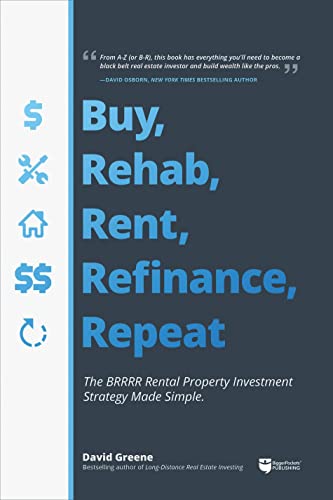
Buy, Rehab, Rent, Refinance, Repeat: The BRRRR Rental Property Investment Strategy Made Simple
As an affiliate, we earn on qualifying purchases.
As an affiliate, we earn on qualifying purchases.
Background
India’s financial sector has experienced increased regulatory oversight over the past year, especially concerning shadow banking entities and NBFCs. The RBI’s recent reclassification aims to tighten controls on large shadow lenders, which have been linked to systemic risks following some high-profile defaults and liquidity crises in the sector. Tata Sons, as a major private conglomerate with diverse financial interests, is directly impacted by these regulatory changes. Historically, Tata Sons has maintained a private ownership structure, but the evolving regulatory landscape has prompted discussions about the benefits and drawbacks of a public listing.
“The RBI’s reclassification effectively puts Tata Sons under more intense regulatory scrutiny, making a public listing almost inevitable to restore transparency.”
— Industry analyst Rajiv Malhotra
“Tata Sons is continuously evaluating its strategic options to align with evolving regulatory standards and market practices.”
— Tata Group spokesperson
What Remains Unclear
It remains unclear whether Tata Sons will pursue an IPO in the immediate future or if other strategic options will be prioritized. The exact timeline for any potential listing has not been disclosed, and regulatory, market, or internal company factors could influence the decision.
What’s Next
Next steps include further regulatory consultations, internal strategic assessments by Tata Sons, and possible discussions with potential investors. The company’s response to the RBI’s reclassification and the broader market conditions will likely determine the timing and nature of any IPO plans.
Key Questions
Why is the RBI reclassifying shadow lenders important for Tata Sons?
The reclassification increases regulatory oversight on large shadow lenders, which may include Tata Sons’ financial subsidiaries. This could lead to stricter compliance requirements and pressure to increase transparency through a public listing.
Could Tata Sons avoid an IPO despite the pressure?
Yes, Tata Sons might explore other strategic options such as restructuring or private fundraising. However, the regulatory environment makes a public listing a more attractive or necessary option to address transparency concerns.
When might Tata Sons go public if they decide to do so?
There is no official timeline. Market analysts suggest it could be within the next 12-24 months, depending on regulatory developments and internal corporate strategy.
What are the risks of Tata Sons listing publicly?
Risks include increased scrutiny, potential market volatility, and governance challenges. However, a listing could also enhance credibility and unlock shareholder value.
Pool season Picks
robotic pool cleaners
As an affiliate, we earn on qualifying purchases.