
TL;DR

Get the latest gadgets delivered free — and shop member deals
- Fast, free delivery on millions of items
- Access to Prime Big Deal Days deals on October 6–7
- Prime Video, Amazon Music and more included
Fisker, which filed for Chapter 11 bankruptcy in June 2024, left thousands of Ocean EV owners with non-functional vehicles. In response, owners organized into a community that reverse-engineered software and built open source tools, effectively creating a volunteer-run car company from the ashes.
Fisker Inc. filed for Chapter 11 bankruptcy in June 2024, leaving approximately 11,000 Ocean SUV owners with vehicles that can no longer receive software updates or connected services, effectively rendering their cars inoperable.
Following Fisker’s bankruptcy, owners formed the Fisker Owners Association (FOA), a nonprofit that quickly grew to 4,000 members. This community has taken on tasks typically handled by manufacturers, including reverse-engineering proprietary software, developing open source tools, and organizing parts procurement and repair networks.
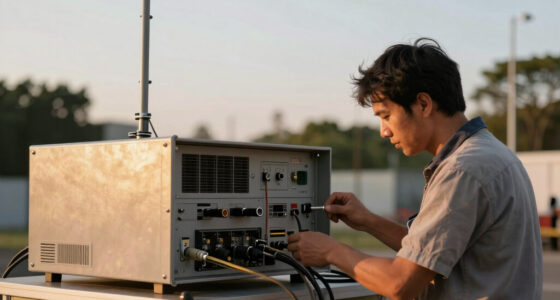
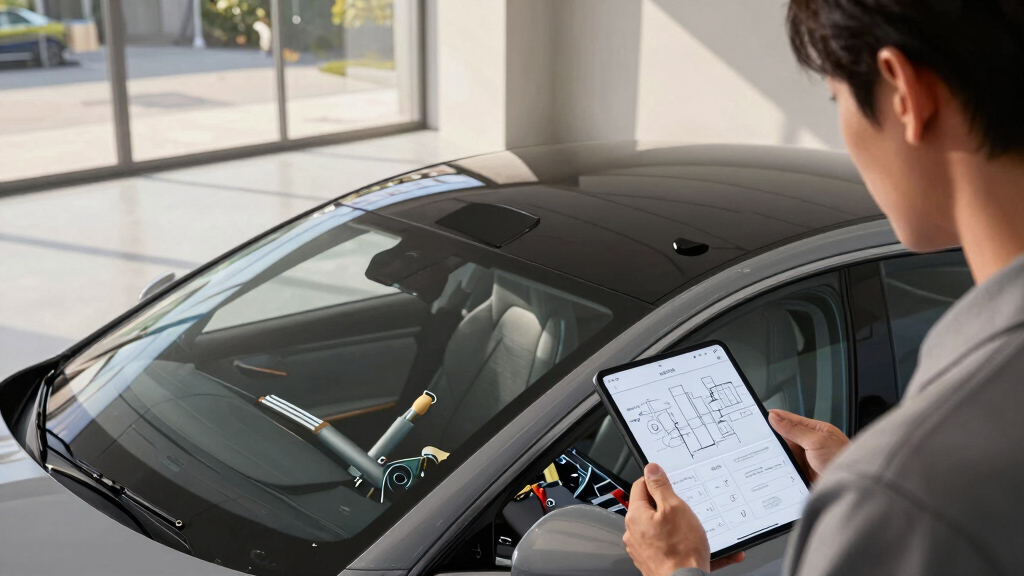
Technical efforts include reverse-engineering Fisker’s mobile app API and mapping CAN bus networks, enabling diagnostics and control via community-developed software. They have also negotiated with parts suppliers and insurance companies to keep their vehicles operational despite the manufacturer’s exit from the market.
Why It Matters
This development is significant because it demonstrates how a dedicated community can sustain and even improve vehicle functionality after a manufacturer’s collapse, challenging traditional auto industry reliance on proprietary software and corporate support. It highlights the potential for open source approaches to reshape vehicle maintenance and ownership.
EV diagnostic tools for Fisker Ocean
As an affiliate, we earn on qualifying purchases.
As an affiliate, we earn on qualifying purchases.
Background
Fisker, once considered a rival to Tesla, produced 11,000 Ocean SUVs before running into financial difficulties, with over $1 billion in debts. The company’s architecture was heavily software-dependent, with critical vehicle functions tied to cloud services. Its abrupt bankruptcy left owners stranded, prompting them to organize and respond independently. This situation underscores broader issues in the EV industry regarding software control and manufacturer support.
“A ‘software-based car’ that becomes useless when the manufacturer disappears is a fundamental flaw in automotive design.”
— Cory Doctorow
“We really need much more open source in the auto industry. ‘If the manufacturer disappears, the car is useless now’ has seemingly become a default.”
— Vitalik Buterin
“Our community has secured parts, developed diagnostic tools, and maintained vehicle functionality without manufacturer support.”
— Fisker Owners Association (FOA)
What Remains Unclear
It remains unclear how sustainable the open source efforts are long-term, especially concerning safety-critical systems developed by third-party suppliers. The legal and technical feasibility of fully open-sourcing vehicle operating systems is still debated within the community.
What’s Next
The FOA plans to continue developing open source diagnostic tools, expand their repair networks, and possibly formalize their ecosystem. Legal and technical challenges remain, and future collaborations or conflicts with former suppliers or insurers are possible.
Key Questions
Can owners fully open-source the Ocean’s software?
While some components, like diagnostics and connectivity, are open to modification, safety-critical systems developed by external suppliers cannot be easily forked or open-sourced due to safety and proprietary constraints.
Will Fisker or other manufacturers support these community efforts?
Currently, there is no indication that Fisker or similar companies will support or collaborate with these open source initiatives, especially after bankruptcy.
Are these open source modifications safe to use on the road?
The safety and reliability of community-developed software are not officially certified, and owners should exercise caution when implementing modifications.
What legal risks do owners face by reverse-engineering the software?
Reverse-engineering proprietary software may have legal implications, depending on jurisdiction and licensing agreements, though many community efforts operate in a gray area.
Halloween Picks
halloween
As an affiliate, we earn on qualifying purchases.