
TL;DR
Wireless noise-canceling headphones combine Bluetooth audio with active noise cancellation, which is best at reducing steady, low-frequency sounds such as aircraft rumble and fans. Fit, passive isolation, comfort, call microphones, battery life, and transparency mode matter just as much as ANC, so compare the full experience for the places you actually listen.
The plane’s engine still rumbles, but after you switch on noise cancellation it sounds farther away, like thunder behind a closed window. That change comes from active noise cancellation, not a magic wall of silence.

Get the latest gadgets delivered free with Prime
- Fast, free delivery on millions of items
- Prime Video, Amazon Music and more included
- Member-only deals all year
Wireless noise-canceling headphones combine Bluetooth audio with technology that reduces some surrounding sound. This guide explains what ANC can and cannot do, how fit and battery life change the experience, and which features make sense for commuting, travel, calls, or quiet work.
You’ll also get a practical comparison and a simple checklist for choosing a pair. The right headphones should make your routine easier, whether you want to hear a podcast over the train or catch a gate announcement without pulling out an earbud.
ANC works best on steady, low-frequency sounds such as engines and fans; sudden voices and sharp noises can still come through.
A good ear cup or ear tip seal adds passive isolation, so fit can change how quiet the headphones feel.
Compare microphone performance separately from ANC, since noise cancellation for your ears does not guarantee clear calls.
Check actual battery, wired playback, Bluetooth switching, repair, and software details for the specific model.
Use transparency mode or remove headphones when announcements, traffic, or nearby people need your attention.
What ANC can quiet—and what will still reach your ears
Wireless noise-canceling headphones use microphones to sample surrounding sound and processing to play an opposing sound wave through the speakers. Where the waves meet, some of the noise is reduced. This works most predictably for steady, low-frequency sounds, such as an aircraft engine, ventilation fan, or road rumble. Sudden and high-pitched sounds change too quickly or vary too much for the headphones to cancel as effectively.
Think of ANC as a dimmer switch for certain sounds, not a mute button for the world. On a flight, the engine drone may soften enough that your audiobook is easier to follow. That can help you listen without raising the volume to compete with the rumble. A child’s sharp shout or the clatter of a dropped tray can still cut through, so the amount of quiet depends on both the sound and the headphones’ fit.
The ear cups or ear tips provide another layer: passive isolation. They physically block sound, and their fit affects how quiet the headphones feel even when ANC is on. A gap around an ear cup or a loose earbud tip can let low notes leak in, making the environment seem louder and music sound thinner. Finding a better seal can improve both isolation and bass, though a tighter fit may feel uncomfortable over a long session. ANC and the physical seal work together, but neither removes every sound.
Many models also offer transparency mode, which uses microphones to pass outside sound through to you. That can help when a barista calls your name or a train announcement comes over the speakers. The processed sound may not match the natural direction or clarity of a voice, and it cannot guarantee you will hear every warning. Treat it as a way to stay more connected while listening, not as a substitute for paying attention when nearby traffic or people matter.
Products Worth Considering
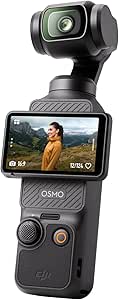
DJI Osmo Pocket 3 Vlogging Camera with 1-Inch CMOS Sensor and 4K/120fps Video

DJI Mini 3 Drone with DJI RC and 3-Axis Gimbal

Apple Watch Series 8 GPS 41mm Midnight Aluminum Case with Midnight Sport Band
As an affiliate, we earn on qualifying purchases.
Choose over-ear or earbuds for the way you actually listen
Over-ear headphones and earbuds suit different routines, and neither style is automatically better. The choice affects more than portability: it changes where the headphones touch you, how they seal out sound, and what you can comfortably wear for a long stretch. Comfort, seal, sound, and controls vary by design and listener, so the best comparison starts with where you’ll wear them most.
Imagine you take a crowded train each morning and then spend two hours at a desk. Over-ear cups may feel comfortable for a long session and create a roomy space for listening, but pressure, heat, or contact with glasses can build over time; they also take up more room in a bag. Earbuds slip into a pocket and are easy to wear for a quick call at the grocery store, though their fit and seal depend on your ears and the tips you choose. A poor seal can weaken both bass and noise reduction, while a snug tip that seals well may become tiring for some people.
| What matters | Over-ear | Earbuds |
|---|---|---|
| Carrying them | Bulkier; often need a case or bag space | Compact; usually pocket friendly |
| Long listening | May suit long sessions, depending on pressure and heat | May feel tiring for some ears over time |
| Fit and isolation | Cup shape and seal around the ears matter | Tip size and seal in the ear canal matter |
| Weather exposure | Water resistance varies by model | Water resistance is more common, but ratings vary |
Try them where possible. A pair that feels fine for five minutes in a shop may press on your glasses after an hour at home. For earbuds, test each available tip size; for over-ear models, check how the headband feels and whether the cups stay comfortable when you turn your head. A comfortable fit matters because the headphones only help if you can wear them for the full journey or work session.
Compare the features that make a pair useful every day
Comfort, sound, calls, and battery life tell you more about daily value than an ANC label alone. ANC is designed mainly to reduce sound you hear; that does not guarantee better music or clearer calls for the person on the other end. Separating these jobs helps you avoid paying for strong noise reduction in a pair that still feels uncomfortable or performs poorly in meetings.
Picture a workday that moves between a noisy open office, a video meeting, and a walk home. You might want adjustable sound through an equalizer, a microphone that handles voices well, and multipoint Bluetooth so the headphones can connect to your laptop and phone. Multipoint can reduce the friction of moving between devices, but its switching behavior differs: a pair may prioritize one device or require manual selection. Likewise, strong noise reduction for listening does not prove the microphone will make your voice clear. Microphones pick up sound differently from the headphones’ listening system, so look for call samples or reviews that match the places you take calls.
Battery estimates depend on settings. ANC, volume, Bluetooth features, and other functions can affect runtime, and the effect varies by model. This matters most when your listening session is longer than your usual routine, such as a full travel day: a headline battery estimate may not reflect use with ANC and other features enabled. Some headphones allow wired playback or audio with ANC off when the battery runs down; others rely on battery power for playback. Check the model’s specifications so you know whether a cable is a genuine backup or only works while the battery has charge.
Controls matter when your phone is zipped into a coat pocket. Physical buttons can be easy to find by touch; touch controls may feel slick but can misread a hat or a damp finger. Companion apps, firmware updates, voice assistants, and repair or battery replacement options also affect how well the headphones fit into your routine over time. An app may add useful adjustments, but it can also make a feature dependent on a phone or software support. Think about which conveniences you will use often enough to justify their added complexity.
Use a quick checklist to find a pair that fits your day
Start with your most common listening situation, then compare the features that matter there. A commuter who rides a rumbling bus may value steady-noise reduction and transparency mode, while someone taking calls from a quiet home office may care more about microphone performance. Starting with the setting keeps a long feature list from distracting you from the problems the headphones need to solve.
- Name the setting. Think of your daily train, office, plane trip, or neighborhood walk. Note the sounds that bother you most; a steady hum calls for different strengths than voices or abrupt noise.
- Choose a style you can wear. Try the headband or ear tips if possible, and check comfort after more than a brief listen. A fit that hurts or slips can undermine isolation and make you less likely to use the headphones.
- Compare how they sound. Listen to music or a familiar podcast, and check whether an equalizer lets you adjust the sound to your taste. This helps reveal whether the pair suits what you actually listen to, beyond its ANC performance.
- Test the everyday details. Review battery claims, controls, microphone performance, device compatibility, and multipoint switching if you need two devices connected. These details matter most when your routine depends on long sessions, calls, or moving between devices.
- Check what happens outside. Try transparency mode and read the water resistance, warranty, and repair details for the specific model. A mode that makes announcements easier to hear can be useful, but you should still be prepared to pause or remove the headphones when attention matters.
For example, if you fly twice a year but work at home in a quiet room, you may not need a premium model built around travel. A pair that fits comfortably, plays long enough for your usual trips, and gives you a dependable way to hear announcements may serve you better than a long feature list. The value comes from repeated use: a costly feature has little practical benefit if it rarely matches your surroundings.
Headphone makers have added adaptive ANC and personalized modes in recent years, but names and features differ between brands. These modes may adjust noise reduction based on surroundings or preferences, which can be convenient, but the results and controls are model-specific. Treat their claims as a reason to check current specifications and software support before buying because product lines and firmware features change.
Stay aware and listen at a sensible volume
ANC can reduce background sound, but it cannot make every listening situation safe. Sealed ear tips and noise reduction can make traffic, cyclists, or public announcements harder to hear. Transparency mode may help, yet its sound can be processed or incomplete, so it does not replace paying attention when you cross a street or move through a busy station.
Say you’re walking to a platform and hear your train’s announcement through a speaker. Lowering your audio or switching to transparency mode can make it easier to catch the words. At a road crossing, taking off the headphones may be the clearer choice if you need to hear nearby movement. The useful setting can change from one moment to the next, so make pausing or removing them part of your routine where awareness matters.
ANC itself is not generally considered harmful to your ears, but high volume over long periods can damage hearing whether you use noise cancellation or not. Some listeners find that quieter surroundings make it easier to keep music at a lower level. Your volume and listening time still matter; noise cancellation is not a reason to turn the sound up, and a comfortable level is one you can sustain without discomfort.
Noise cancellation reduces some sounds; it does not create silence or replace awareness.
For work calls or travel, a good habit is to pause playback when someone needs your attention and check for announcements when you approach a platform or gate. ANC is technology that reduces selected background noise, not a reason to tune out everything around you.
Know when the extra cost is worth it
ANC is most useful when you often listen around steady background noise, such as a commute, cabin, or busy shared workspace. It may let you hear a podcast more clearly without turning up the volume, and it can make a long journey feel less tiring for some listeners. The value comes from using it repeatedly: if the noise is occasional or your surroundings are already quiet, the improvement may not justify the added cost. Results depend on the headphones, their fit, and the sound around you.
Consider two people. One rides a noisy bus every day and spends afternoons in a shared office where fans hum; noise cancellation may earn its price through repeated use, especially if it helps them focus at a comfortable listening level. The other listens to music in a quiet bedroom for half an hour each evening, where there is little steady noise to reduce and a less expensive pair may meet the need just as well.
Ask how often you’ll use the features, not how impressive they sound in an advertisement. If you need clear calls, test microphone samples or reviews separately from ANC performance because the feature that quiets sound for you does not establish how your voice reaches others. If you want both music and awareness, check whether transparency mode sounds natural enough for your conversations and whether the controls make switching easy. A feature is useful when it fits smoothly into the moments you need it.
Before paying more, compare the specific model’s comfort, sound, battery claims, connectivity, water resistance, warranty, and repair options. A premium model may combine several benefits, but one weak point—such as an uncomfortable fit or unreliable switching—can outweigh a feature you rarely use. Brand terms for adaptive settings can differ, and a feature available at launch may depend on a later software update. For a current buying decision, verify the product details and software support for the model you’re considering.
Frequently Asked Questions
Do noise-canceling headphones block all sound?
No. ANC reduces some sounds, especially steady low-frequency noise, but it does not create silence. Fit and passive isolation also affect what reaches your ears.
Are over-ear headphones better than earbuds?
Neither style is always better. Over-ear models may suit long listening sessions, while earbuds are compact and easy to carry; comfort, fit, sound, and ANC vary by model and person.
Can I use ANC headphones on a plane?
Yes. ANC can reduce steady cabin rumble, which may make music or a podcast easier to hear. Use transparency mode or remove the headphones when you need to catch safety announcements.
Do noise-canceling headphones work without a battery?
It depends on the model. Some support wired playback or audio with ANC off, while others need battery power for playback. Check the manufacturer’s specifications before relying on a cable as a backup.
Does ANC make calls clearer?
Not necessarily. ANC mainly reduces sounds that reach your ears; microphone placement and call processing affect how clearly the other person hears you.
Are wireless noise-canceling headphones worth the extra cost?
They can be worth it if you regularly commute, travel, or work in a noisy space. If you mostly listen in a quiet room, a less expensive pair may be enough.
Conclusion
Choose headphones for the sounds you hear most, the comfort you can tolerate for hours, and the features you’ll use every week. ANC can soften the steady rumble of travel, but fit, microphone quality, battery behavior, and awareness shape the whole experience.
Try the pair if you can, check its real specifications, and keep the volume sensible. The best result is a little more calm in your ears while the world stays within reach.