
A NAS (Network-Attached Storage) device makes backing up your photos at home easy and reliable. It acts as a personal server in your network, offering centralized storage that you can access from any device. With built-in redundancy like RAID, your data stays safe even if a drive fails. Plus, you can set up automatic backups to keep your photos protected effortlessly. Keep going to discover how a NAS can simplify securing your digital memories.
Key Takeaways
- NAS acts as a personal cloud, centralizing photo storage and making backups easy within your home network.
- It supports data redundancy, such as RAID, to protect photos from hardware failures.
- NAS automatically backs up photos, ensuring continuous protection with minimal effort.
- Syncing NAS with cloud services provides an extra layer of security and remote access.
- Using NAS simplifies managing and safeguarding your photos with local control and backup options.

Have you ever wondered how businesses and individuals store and access large amounts of data effortlessly? The answer often lies in cloud storage and data redundancy—two crucial components that guarantee your data remains safe, accessible, and protected. Cloud storage allows you to save files online, so you can access them from any device with an internet connection. It’s convenient, scalable, and reduces the need for physical storage devices. However, relying solely on cloud storage can sometimes pose risks, such as service outages or data breaches. That’s where data redundancy comes in. By creating multiple copies of your data across different locations or devices, you add an extra layer of security. If one storage point fails, you still have backups elsewhere, preventing data loss.
Cloud storage and data redundancy work together to keep your data safe and accessible from anywhere.
When you set up a NAS (Network-Attached Storage) device at home, you’re fundamentally creating your own personal cloud. A NAS acts as a central hub, connecting all your devices and allowing you to store, access, and manage your files in one place. Unlike cloud storage services that are hosted externally, a NAS is physically located within your home network, giving you full control over your data. You can configure your NAS to implement data redundancy strategies, such as RAID (Redundant Array of Independent Disks), which writes your data across multiple drives. This setup ensures that if one drive crashes, your data stays safe on other drives, minimizing the risk of losing precious photos or documents.
Setting up a NAS also makes backing up your photos simple and automatic. You can schedule regular backups, ensuring your images are always protected without any extra effort. Plus, with data redundancy in place, your files are duplicated across drives, so even hardware failures won’t compromise your backups. This combination of local storage, automatic backups, and data redundancy provides peace of mind—knowing your memories and important files are safe and easily accessible. Additionally, understanding the importance of projector contrast ratio can help you optimize your viewing experience if you’re also interested in home entertainment setups.
In addition, a NAS can sync with cloud storage services, giving you the best of both worlds: local control with remote access and backup options. If your internet connection is reliable, you can even set your NAS to automatically upload new photos to cloud storage, creating an extra safeguard. This hybrid approach ensures you’re covered in all scenarios, whether it’s accidental deletion, hardware failure, or a cyberattack.
Ultimately, understanding how cloud storage and data redundancy work together can help you make smarter choices about backing up your photos at home. A NAS offers a straightforward, efficient way to keep your digital life organized, protected, and accessible whenever you need it.
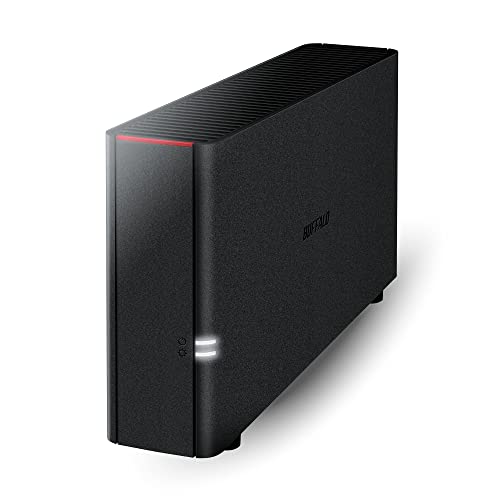
BUFFALO LinkStation 210 4TB 1-Bay NAS Network Attached Storage with HDD Hard Drives Included NAS Storage That Works as Home Cloud or Network Storage Device for Home
Value NAS with RAID for centralized storage and backup for all your devices. Check out the LS 700…
As an affiliate, we earn on qualifying purchases.
As an affiliate, we earn on qualifying purchases.
Frequently Asked Questions
How Does a NAS Differ From Cloud Storage Options?
A NAS differs from cloud storage options because it acts as a private cloud you control at home. You store your photos locally, giving you direct access without relying on internet speed. It also offers data redundancy, so your files stay safe even if a drive fails. Cloud storage, on the other hand, depends on remote servers managed by providers, which can be less private but more accessible from anywhere.
What Is the Average Cost of Setting up a NAS?
Setting up a NAS typically costs between $300 and $1,000, depending on the device and storage capacity. You’ll need to contemplate network setup costs, like routers or switches, and factor in power consumption, which varies by model but is generally low. Keep in mind, initial expenses also include hard drives, which can add to the overall cost. This investment ensures reliable, local photo backups with ongoing energy efficiency.
Can a NAS Be Used for Streaming Media?
Think of your NAS as a media buffet—you can absolutely use it for streaming media. It acts as a hub, serving your movies, music, and photos seamlessly. With the right network compatibility, it effortlessly streams content across devices, turning your home into a digital theater. Just guarantee your NAS supports media streaming protocols like DLNA or Plex, and you’ll enjoy smooth, instant access to your favorite media anytime you want.
How Secure Is Data Stored on a NAS?
Your data stored on a NAS can be quite secure if you implement local encryption and prioritize physical security. Using encryption guarantees your files are protected from unauthorized access, even if someone gains physical access to the device. Additionally, securing your NAS in a safe location prevents theft or tampering. Regular updates and strong passwords further enhance security, making your stored photos and data safer from threats.
What Is the Maintenance Required for a NAS Device?
You need to regularly maintain your NAS device by performing firmware updates to guarantee security and peak performance. Additionally, you should clean the hardware components, like fans and vents, to prevent overheating. Check for any hardware issues and replace faulty drives promptly. Regularly reviewing system logs and backups also helps keep your NAS running smoothly and safely. Consistent maintenance extends its lifespan and keeps your data secure.

TERRAMASTER D2-320 USB RAID Enclosure – USB 3.2 Gen 2 10Gbps Type C 2Bay Direct Attached Storage Supports RAID 0, 1, Single, JBOD (Diskless)
High Speed: The D2-320 hard drive enclosure (a DAS, NOT a NAS) adopts USB 3.2 Gen2 protocol for…
As an affiliate, we earn on qualifying purchases.
As an affiliate, we earn on qualifying purchases.
Conclusion
Now that you understand how a NAS works and its simple setup, imagine the peace of mind you’ll have knowing your precious photos are safe. But what if a sudden power surge or hardware failure strikes when you least expect it? With a NAS, you’re prepared. It’s more than just storage—it’s your safety net. Ready to secure your memories? The next step could change how you protect what matters most, forever.

iDiskk 1TB Family & Personal NAS Photo Storage – Auto Backup Photos/Videos for iPhone, iPad, PC, Mac, Android, Real-Time Sync, for Shared & Personal Digital Storage
【Familly or Personal Automatic Backup Photos & Videos and Free Up Space with No Subscription Fee (Anytime Anywhere】:Over…
As an affiliate, we earn on qualifying purchases.
As an affiliate, we earn on qualifying purchases.

Synology BeeStation 4TB Personal Cloud Storage Device (BST150-4T)
Scan a QR code to begin—no storage or network expertise required
As an affiliate, we earn on qualifying purchases.
As an affiliate, we earn on qualifying purchases.