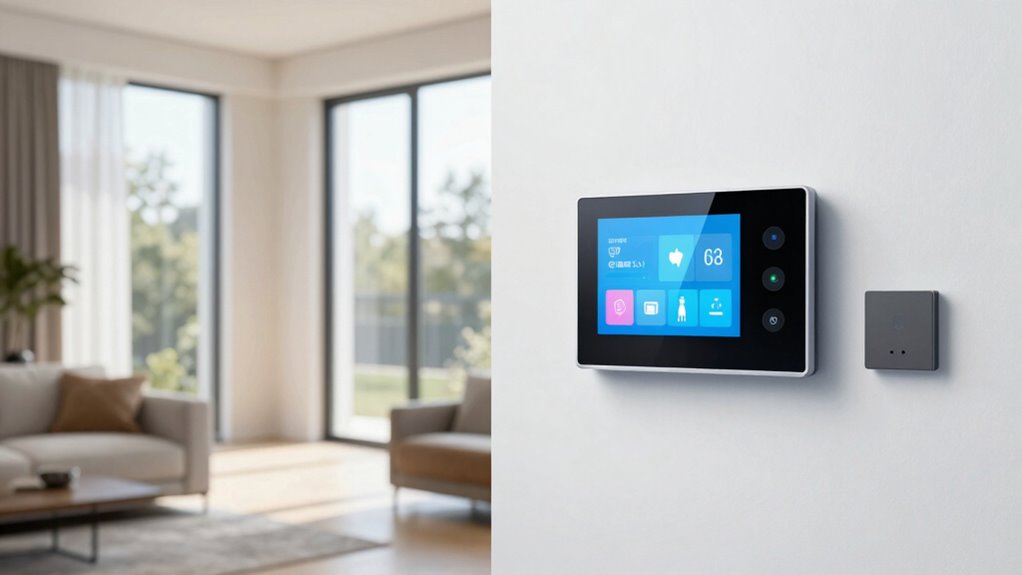

Properly placed room sensors help your smart thermostat detect environmental changes accurately, leading to smarter heating and cooling decisions. When sensors are strategically positioned away from drafts or direct sunlight, they prevent false readings and guarantee your system responds efficiently. This targeted control reduces unnecessary energy use, lowering your utility bills over time. If you’re interested in maximizing savings and comfort, understanding how to position sensors correctly can make a real difference. Keep exploring to learn more.

Get the latest gadgets delivered free — and shop member deals
- Fast, free delivery on millions of items
- Access to Prime Big Deal Days deals on October 6–7
- Prime Video, Amazon Music and more included
Key Takeaways
- Properly placed sensors provide accurate temperature data, enabling thermostats to make precise adjustments.
- Accurate sensor readings prevent unnecessary heating or cooling, reducing energy consumption and utility costs.
- Strategically positioned sensors help prioritize occupied spaces, optimizing comfort and saving energy in unoccupied areas.
- Well-placed sensors improve system responsiveness, ensuring quick adaptation to environmental changes and avoiding energy waste.
- Optimal sensor placement enhances overall system efficiency, leading to long-term savings on energy bills.
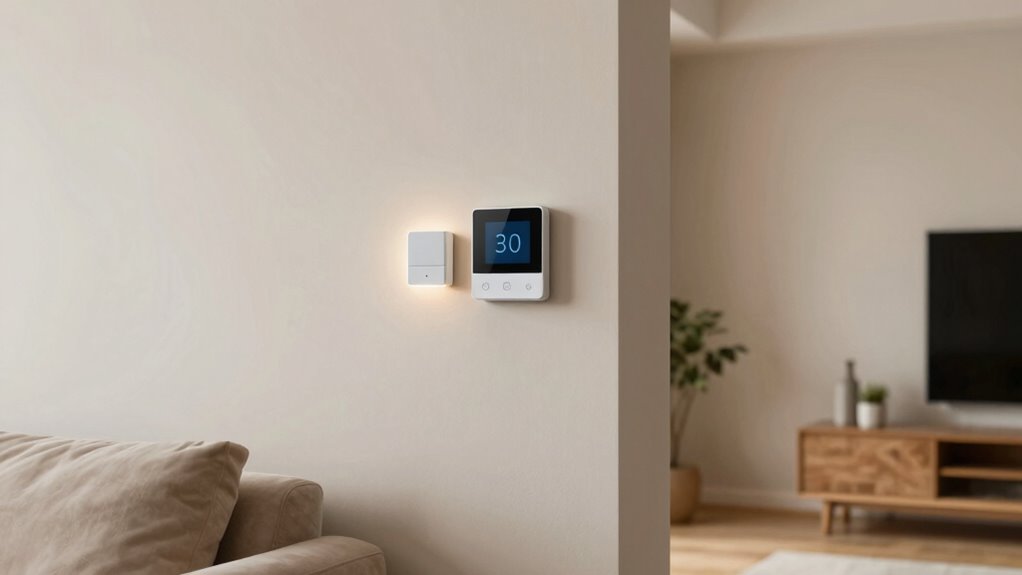
Have you ever wondered how smart homes automatically adjust the temperature or lighting? It all comes down to the magic of room sensors. These devices collect data about your environment, allowing your smart thermostat to make informed decisions that save you money. When set up correctly, they optimize energy efficiency by ensuring your heating and cooling systems operate only when necessary. The key lies in thoughtful sensor placement, which impacts how well your system responds to changes in your home.
Sensor placement isn’t just about sticking devices somewhere random. You need to consider common areas, away from drafts, direct sunlight, or heat sources that could give false readings. For example, placing a sensor near a window might cause your thermostat to think the room is warmer or cooler than it actually is, leading to unnecessary heating or cooling. Positioning sensors in central locations ensures they accurately capture the room’s real temperature, which helps your smart thermostat adjust settings more precisely.
Proper sensor placement ensures accurate readings and smarter thermostat adjustments.
By strategically placing sensors throughout your home, you create an interconnected network that provides thorough environmental data. This setup enables your system to detect subtle changes in temperature and occupancy in different rooms. As a result, your smart thermostat can prioritize heating or cooling where it’s needed most, instead of wasting energy on unoccupied spaces. For instance, if a sensor detects that a room is unoccupied, your system can reduce or turn off heating and cooling there, saving energy without sacrificing comfort.
Energy efficiency benefits dramatically from this intelligent sensor placement. When your sensors are positioned correctly, they prevent your HVAC system from overworking, which can lead to higher energy bills and unnecessary wear. In addition, sensor accuracy plays a crucial role in ensuring your system responds appropriately to environmental changes. Instead, your system responds dynamically, maintaining a comfortable environment while conserving energy. Over time, this smart regulation reduces your overall consumption, translating into significant cost savings. Plus, it’s better for the environment, since less energy consumption means fewer emissions.
In essence, the way you place your sensors affects how well your smart home system performs. Proper placement ensures accurate readings, which allow your thermostat to make smarter, more efficient decisions. This synergy between sensor location and energy-efficient operation is the foundation of how smart thermostats save you money. When you fine-tune sensor placement, you’re not just setting up a device; you’re creating a smart, responsive system that keeps your home comfortable and your bills low.
As an affiliate, we earn on qualifying purchases.
Frequently Asked Questions
How Do Room Sensors Impact Overall Energy Consumption?
Room sensors improve your overall energy consumption by optimizing temperature regulation. They detect when a room is unoccupied or at the desired temperature, allowing your smart thermostat to adjust settings accordingly. This targeted approach boosts energy efficiency, reducing unnecessary heating or cooling. As a result, you save money on energy bills while maintaining comfort, since your system only uses energy when and where it’s needed most.
Can Smart Thermostats Learn User Preferences Over Time?
While it’s gentle to say smart thermostats adapt over time, they actively learn your routines and preferences to enhance energy efficiency and user customization. You’ll find they fine-tune settings based on your habits, making your home more comfortable without extra effort. This ongoing learning helps optimize heating and cooling, saving energy and money while ensuring your environment reflects your lifestyle. It’s a smart way to stay cozy and save.
Are Room Sensors Compatible With All Heating and Cooling Systems?
You might find that room sensors aren’t compatible with all heating and cooling systems, especially older models. Compatibility issues often stem from sensor placement or system type, so check your thermostat’s specifications first. For best results, verify the sensors are placed away from drafts or direct sunlight, and confirm your system supports sensor integration. This way, you maximize efficiency and ensure your smart thermostat works seamlessly with your setup.
What Maintenance Is Required for Room Sensors?
Think of your sensors like the loyal compass guiding your comfort. You should check sensor calibration periodically to guarantee accurate readings, especially after system adjustments or power surges. Keep an eye on battery life, replacing batteries before they die to prevent malfunctions. Regularly cleaning the sensors with a soft cloth helps maintain proper function. With these simple steps, your smart thermostat stays reliable, saving you money and keeping your home cozy.
Do Room Sensors Improve Indoor Air Quality?
Yes, room sensors can enhance indoor air quality by optimizing air circulation and humidity levels. They detect when a room needs better airflow and can work with purifier integration to reduce pollutants and allergens. By adjusting HVAC settings based on sensor data, you guarantee better air quality, making your space healthier and more comfortable. This proactive approach helps maintain fresh, clean air throughout your home.
Conclusion
Now that you understand how room sensors and smart thermostats work together, aren’t you curious about how much money you could save by upgrading your home? Imagine walking into a perfectly comfortable room without wasting energy—no more guessing or manual adjustments. By installing sensors, you’re not just improving comfort; you’re making a smart investment in your home’s efficiency. Isn’t it time you let technology do the work and keep your costs low?
Halloween Picks
halloween
As an affiliate, we earn on qualifying purchases.