

If you’re considering a senior nomad lifestyle, you’ll find that many retirees are embracing travel, blending adventure with stability. You’ll need to develop digital skills to navigate apps for healthcare, banking, and staying connected, which boosts your confidence and safety. Adapting to new cultures and routines can be rewarding, while preparing for healthcare abroad helps ease worries. Embracing flexibility and curiosity keeps your journey exciting—if you keep exploring, you’ll discover how to make this lifestyle truly enriching.
Key Takeaways
- Increasing numbers of retirees choose extensive travel, blending adventure with stability for a fulfilling nomadic lifestyle.
- Developing digital literacy enables senior nomads to access healthcare, banking, and stay connected worldwide.
- Cultural adaptation, including language skills and local customs, enriches experiences and fosters a sense of belonging abroad.
- Preparing for healthcare needs and routine adjustments ensures safety and peace of mind during long-term travels.
- A flexible, resilient mindset and supportive travel communities enhance enjoyment and resilience for senior nomads.
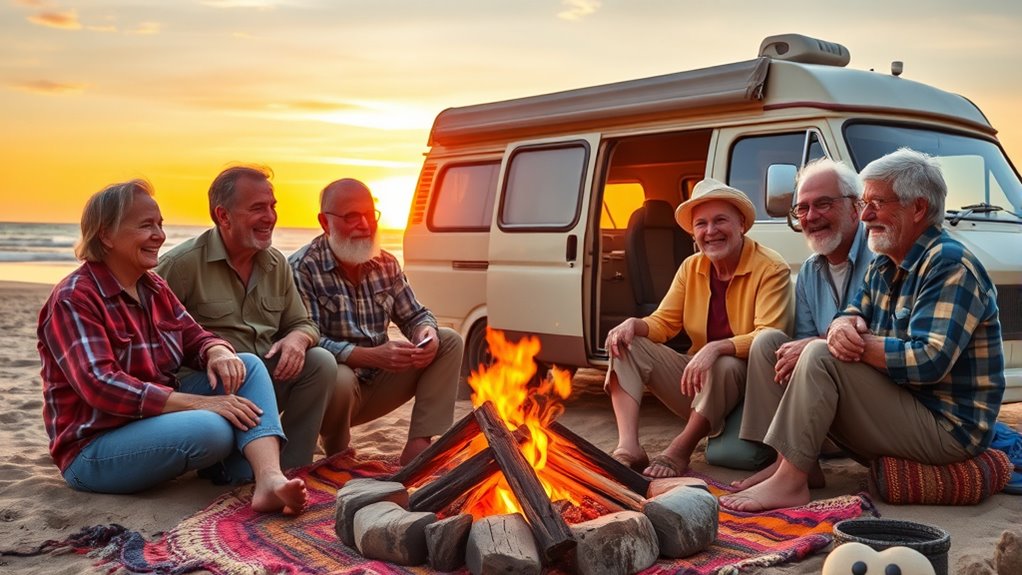
Have you ever wondered how seniors are redefining travel and retirement? Today’s senior nomads embrace a lifestyle that blends adventure with stability, but they often face unique challenges along the way. Two common hurdles are technology challenges and cultural adaptation. As a senior on the road, you might find that keeping up with new tech tools feels intimidating at first. Many destinations require you to navigate unfamiliar apps for healthcare, banking, or accommodations. While some seniors struggle with digital literacy, others quickly learn to use smartphones, VPNs, and travel platforms to stay connected and safe. Overcoming these tech challenges becomes part of the journey, empowering you to maintain independence and access essential services no matter where you are. The global senior population is rapidly increasing, with many choosing to travel extensively in their retirement years, which makes understanding how to adapt even more crucial. Developing digital literacy skills can significantly enhance your travel experience and confidence.
Senior nomads overcome tech hurdles, empowering independence and connecting globally.
Cultural adaptation is another significant aspect of the senior nomad experience. When you travel to new places, you encounter different customs, languages, and social norms. For many seniors, this can be both exciting and overwhelming. You may need to learn basic phrases or etiquette to feel comfortable in local communities. Adapting to diverse cultural environments requires patience and openness, but it also enriches your travel experience. Many senior nomads find that engaging with local traditions fosters a sense of belonging and helps combat loneliness. Joining community activities or local events can ease the transition, making you feel more integrated and supported.
The process of cultural adaptation also involves adjusting expectations and routines. For example, healthcare practices vary widely across countries, and understanding how to access medical services abroad is essential. Some seniors may need to research healthcare providers beforehand or carry a basic medical kit. This preparation helps mitigate worries about health issues and provides peace of mind during extended stays. Additionally, embracing local cuisine, customs, and social norms enhances your overall experience, making your travels more immersive and meaningful.
Despite these challenges, many seniors find that their willingness to adapt and learn keeps them engaged and thriving on the road. Digital literacy programs and travel communities dedicated to older nomads are growing, providing support and resources. These initiatives help seniors overcome technology challenges and foster cultural understanding, making long-term travel more accessible and enjoyable. As a senior nomad, you’re not just a visitor—you’re an active participant in the global community. The key is maintaining a mindset of curiosity and resilience, allowing you to navigate technology hurdles and cultural differences with confidence. This flexibility is what enables you to fully enjoy the freedom, discovery, and connection that define the senior nomad lifestyle.
senior travel digital device kit
As an affiliate, we earn on qualifying purchases.
As an affiliate, we earn on qualifying purchases.
Frequently Asked Questions
How Do Retirees Finance Their Nomadic Lifestyle?
You finance your nomadic lifestyle primarily through retirement savings and part-time work. You draw from your savings to cover major expenses and supplement this income with part-time jobs or online ventures. Diversifying income streams like blogs or consulting also helps. Managing emergency funds and planning your budget guarantees stability. By combining these sources, you can enjoy your travels without financial worries, making your retirement truly flexible and fulfilling.
What Is the Best Type of RV for Seniors?
Think of your RV as your modern-day chariot—simple, reliable, and easy to handle. The best for seniors is a Class B camper van or a Class C motorhome, offering maneuverability and comfort. These models make RV maintenance easier, and you can personalize them with senior travel accessories like grab bars and easy-to-reach storage. They let you explore stress-free, with peace of mind and plenty of room for adventure.
How Do Retirees Stay Connected While Traveling?
You stay connected while traveling through digital communication tools like WhatsApp, Zoom, and social media platforms such as Facebook and Reddit. These help you maintain social engagement with family, friends, and fellow travelers. Joining online forums, attending local meetups, and participating in community activities also boost your sense of connection. Traveling with pets or sharing accommodations further reduces loneliness, making your journey richer and more fulfilling.
Are There Health Insurance Options for Senior Nomads?
You have several health coverage options as a senior nomad. International health insurance providers like Cigna Global or SafetyWing offer all-encompassing plans that cover emergency, chronic, and preventive care across multiple countries. Travel insurance is suitable for short trips but isn’t ideal long-term. Some insurance providers cater specifically to digital nomads, providing flexible, renewable plans. Always compare coverage areas, pre-existing conditions policies, and costs to find the best fit for your lifestyle.
How Do Retirees Find Safe and Affordable Camping Spots?
You find safe and affordable camping spots by using resources like Recreation.gov, Campendium, and AllStays, which provide reviews, amenities, and safety info. Check state and national parks for official listings and maps. Join senior RV forums and social media groups for insider tips on affordable sites with good camping safety. Look for discounted or off-peak options, and prioritize sites near medical facilities, water, shade, and reliable cell service to guarantee safety and affordability.
portable medical kit for travelers
As an affiliate, we earn on qualifying purchases.
As an affiliate, we earn on qualifying purchases.
Conclusion
Imagine waking up to new landscapes every day, your home wherever you choose it to be. The senior nomad lifestyle offers freedom, adventure, and a chance to truly live on your own terms. Are you ready to embrace the open road and create unforgettable memories? It’s never too late to start a new chapter filled with exploration and discovery. So, why not take that leap and see where the road can take you?
language translation device for seniors
As an affiliate, we earn on qualifying purchases.
As an affiliate, we earn on qualifying purchases.
travel VPN for seniors
As an affiliate, we earn on qualifying purchases.
As an affiliate, we earn on qualifying purchases.