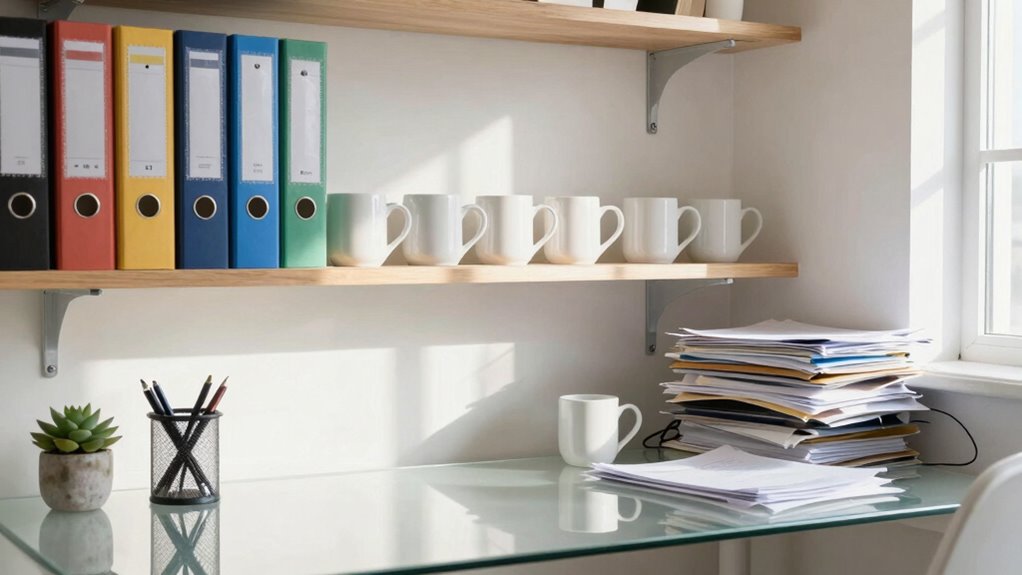

Organizing is the initial step where you sort, categorize, and create a system for your space. Staying organized, however, involves maintaining that order through daily habits and routines. It’s about consistently putting things back in place and managing clutter before chaos can take hold. The key difference is that organizing is a one-time effort, while staying organized is an ongoing practice. If you keep going, you’ll discover simple ways to make this a lifelong habit.

Get the latest gadgets delivered free with Prime
- Fast, free delivery on millions of items
- Prime Video, Amazon Music and more included
- Member-only deals all year
Key Takeaways
- Organizing is the initial process of creating order; staying organized involves ongoing habits to maintain that order.
- Organizing sets up systems; staying organized requires consistent routines and discipline.
- Organizing is a one-time effort; staying organized is a continuous, habitual practice.
- Clutter control and regular upkeep are essential to sustain the organization achieved.
- Long-term success depends on developing habits that reinforce ongoing organization.

Many people confuse organizing with staying organized, but they’re actually quite different skills. Organizing involves the initial process of sorting, categorizing, and creating systems that make your space functional. Staying organized, on the other hand, is about maintaining those systems over time. It’s easy to get caught up in the excitement of decluttering a room or finding new storage solutions, but without a plan for consistency, your efforts can quickly unravel. That’s where skills like time management and clutter control come into play.
Organizing creates order; staying organized maintains it through habits, time management, and clutter control.
When you focus on organizing, you’re setting the foundation. You might allocate a weekend to sort through belongings, assign specific places for each item, and establish routines for storage. However, if you don’t develop habits to maintain these systems, clutter will creep back in, and your space will lose its order. Staying organized requires discipline—regularly dedicating a few minutes each day to put things back where they belong prevents chaos from building up. It’s about making organization a habit, not a one-time event.
Effective time management is essential here. If you don’t carve out time to put things away or review your systems, clutter will accumulate. You might intend to keep things tidy, but if your schedule is packed, organizing gets pushed aside. By prioritizing small, consistent efforts—like tidying up before bed or doing a quick daily review—you build momentum that sustains your organization. Over time, these small acts compound, reducing stress and making it easier to find what you need when you need it.
Clutter control also plays a critical role in staying organized. It’s tempting to hold onto everything “just in case,” but that can quickly lead to disorder. Setting limits on how much you keep and regularly decluttering prevents clutter from overwhelming your space. When clutter is under control, maintaining organization becomes less of a chore and more of a natural part of your routine. You’ll find it easier to keep your space tidy because there’s simply less to manage.
Ultimately, knowing the difference between organizing and staying organized helps you create sustainable habits. Organizing is your initial effort—the hard work of creating order—while staying organized is the ongoing process that keeps that order intact. By managing your time effectively and controlling clutter, you guarantee that your space remains functional and peaceful, transforming the act of organizing from a one-time project into a lifelong practice. Recognizing the importance of habit formation ensures your efforts lead to lasting success.
As an affiliate, we earn on qualifying purchases.
Frequently Asked Questions
How Long Does It Take to Become Consistently Organized?
It typically takes a few weeks to several months to become consistently organized, depending on your habits and environment. You need to practice effective time management and apply decluttering strategies daily. By setting small, achievable goals and sticking to routines, you’ll develop lasting habits. Remember, consistency is key, so stay patient and persistent as you work toward maintaining an organized space and mindset over time.
What Are Common Obstacles to Maintaining Organization?
Imagine your space as a garden. Clutter buildup is like weeds that quickly overrun it, while procrastination habits are like droughts that hinder growth. These obstacles make it hard to keep your garden tidy and thriving. You might delay weeding or watering, causing chaos to spread. To stay organized, you need to tackle weeds early and stay consistent, just like nurturing a healthy garden rather than letting it become wild and unmanageable.
Can Staying Organized Improve Mental Health?
Staying organized can boost your mental health by reducing stress and promoting clarity. When you maintain order, you create space for mindfulness practices, helping you stay present and focused. This consistency also builds emotional resilience, making it easier to handle challenges calmly. By actively managing your environment, you support your mental well-being, fostering a sense of control and balance in your daily life.
What Tools Help Sustain Organization Long-Term?
To sustain organization long-term, you should use tools like digital decluttering apps to keep your devices streamlined and free of unnecessary files. Creating personalized routines helps you stay consistent, making organization a habit rather than a chore. Set reminders and schedule regular check-ins to maintain your systems. These tools work together to reinforce your organizational habits, ensuring you stay on top of your space and tasks effortlessly over time.
How Often Should I Revisit My Organizational Systems?
You should revisit your organizational systems weekly or biweekly, like tending a garden to prevent weeds from taking over. Regular check-ins keep your space tidy and your time management sharp, making decluttering routines easier. Think of it as a quick spring cleaning for your mind and environment, ensuring everything stays functional and efficient. Consistency prevents chaos, turning organization into a habit rather than a one-time effort.
Conclusion
Think of organizing as planting seeds—you’re setting the stage. Staying organized is watering those seeds daily, nurturing growth. Without consistent care, even the best-laid plans with wilt and fade. So, don’t just stop at the first sprout; keep tending to your space with daily acts of discipline. When you do, your environment becomes a flourishing garden—a vibrant, inviting space that blooms with ease and grace, just waiting for you to enjoy.
Fall Picks
fall essentials
As an affiliate, we earn on qualifying purchases.