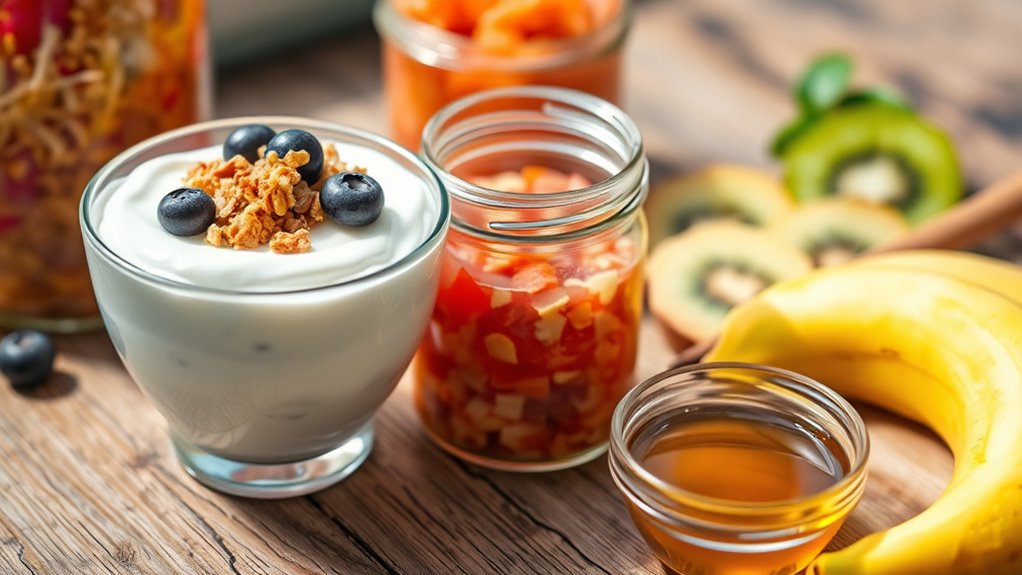

Taking care of your gut is vital for overall health, as it influences digestion, immunity, and even mood. Incorporate probiotic-rich foods like yogurt and kefir, and include prebiotic fibers from garlic, onions, and whole grains to nourish beneficial bacteria. Aim for a diverse, fiber-rich diet and introduce new foods gradually to avoid discomfort. By making these changes, you’ll support a resilient microbiome—continue exploring to discover more ways to boost your gut health.
Key Takeaways
- A diverse, fiber-rich diet supports a healthy gut microbiome, enhancing digestion, immunity, and overall well-being.
- Probiotics introduce beneficial microorganisms that restore balance and improve gut health when consumed gradually.
- Prebiotics feed beneficial gut bacteria, promoting microbial diversity and gut function through plant fibers like garlic and bananas.
- Consistent dietary habits, including fermented foods and high-fiber plants, strengthen gut resilience and health over time.
- Individual responses vary; cautious use of probiotics and prebiotics is important, especially for immunocompromised persons.
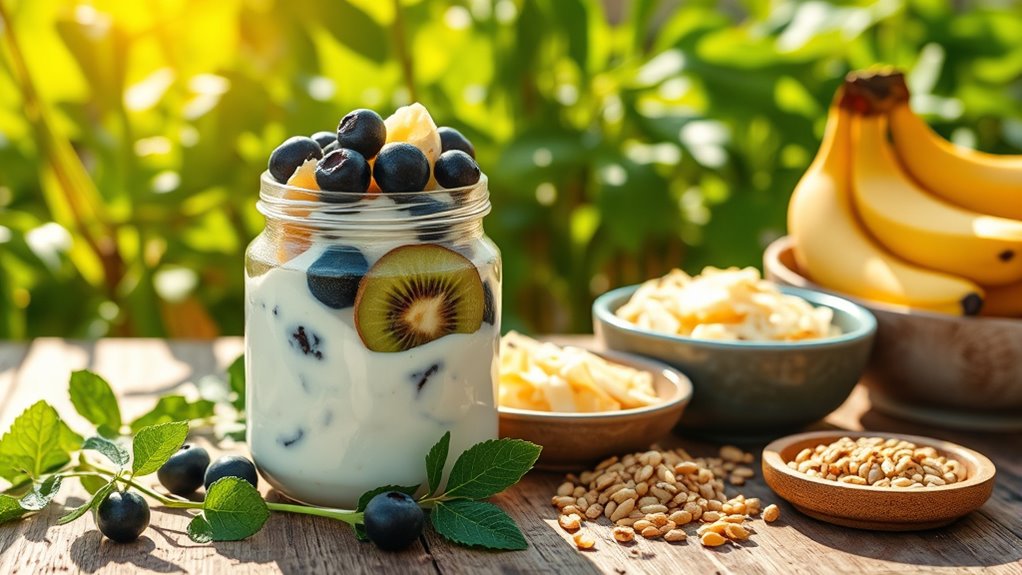
Maintaining a healthy gut is essential for overall well-being, and understanding the roles of probiotics, prebiotics, and diet can help you make better choices. Your gut microbiome, the community of trillions of microorganisms living in your digestive system, influences everything from digestion to immune health. To support this complex ecosystem, focusing on dietary diversity is crucial. A varied diet rich in different fiber types and fermented foods provides the nutrients and beneficial microbes needed to keep your gut thriving.
A diverse diet with fiber and fermented foods supports a healthy, thriving gut microbiome.
Probiotics are live bacteria and yeasts that you introduce into your gut to boost beneficial microbe populations. They help restore balance between helpful and harmful bacteria, promoting a healthier microbiome. You can find probiotics in fermented foods like yogurt, kefir, sauerkraut, and some dietary supplements. When these microbes settle in your gut, they can enhance digestion, improve nutrient absorption, and support immune function. However, overdoing it or having sensitivities can lead to temporary issues like bloating, gas, or diarrhea. That’s why it’s important to introduce probiotics gradually and pay attention to how your body responds.
Prebiotics, on the other hand, are nondigestible plant fibers that act as food for your beneficial gut bacteria. Unlike probiotics, prebiotics aren’t living organisms but play a vital role in stimulating the growth of helpful microbes. You’ll find prebiotic-rich foods in garlic, onions, bananas, asparagus, whole grains, and certain legumes. Consuming enough prebiotics can improve calcium absorption, regulate blood sugar levels, and promote regular bowel movements. Still, high intake may cause digestive discomfort in sensitive individuals, especially those with irritable bowel syndrome or other gut sensitivities.
A diet that emphasizes diversity and fiber content benefits your gut microbiome considerably. Fermented foods directly supply probiotics, while high-fiber plant foods provide prebiotics, creating a symbiotic environment for your gut microbes. Long-term dietary patterns matter more than short-term changes; consistently eating a variety of nutrient-dense foods supports microbial diversity and function. Conversely, ultra-processed, low-fiber diets can diminish your microbiome’s diversity, negatively impacting overall health. To optimize gut health, introduce new foods gradually, especially fiber-rich options, to minimize discomfort.
While probiotics and prebiotics offer promising benefits—such as reducing diarrhea duration, lowering inflammation, and supporting immune health—individual responses vary. Probiotics may pose risks for immunocompromised people, and excessive prebiotic intake can cause bloating or gas. Nevertheless, when incorporated thoughtfully into a balanced diet, both can contribute to a healthier, more resilient gut. Research indicates that maintaining gut health is linked to the health of other organs like the heart, kidneys, and brain. Prioritizing dietary diversity ensures your gut microbiome remains robust, helping you feel healthier and more energized every day.
probiotic supplements for gut health
As an affiliate, we earn on qualifying purchases.
As an affiliate, we earn on qualifying purchases.
Frequently Asked Questions
Can Probiotics Replace Antibiotics for Infections?
Probiotics can’t fully replace antibiotics for infections yet, but they support your immune system and help reduce antibiotic resistance. Certain probiotic strains, like Lactobacillus, produce antimicrobial substances that suppress pathogens, making them valuable as adjuncts. While promising, more research is needed to determine if specific strains can effectively replace antibiotics in treating infections, especially severe ones. Incorporating probiotics may improve outcomes and promote sustainable health practices over time.
Are All Prebiotics Suitable for Everyone?
Not all prebiotic types suit everyone, as individual responses vary based on gut microbiota, health, and sensitivity. You should gradually introduce foods like chicory, garlic, or oats to see how your body reacts. Some people, especially those with digestive issues like IBS, may experience discomfort from certain prebiotics. It’s best to personalize your intake and consult a healthcare provider if you notice adverse effects or have specific health concerns.
How Long Does It Take to See Gut Health Benefits?
You’ll start noticing gut health benefits within days, as your microbiome diversity begins to shift. In 1 to 4 weeks, your gut flora stabilizes, easing digestion and reducing bloating. With consistent probiotic and prebiotic intake, long-term changes deepen, improving immunity and overall well-being over months. Stay committed—your gut’s balance is a dynamic story unfolding, revealing its true health potential as microbiome stability strengthens with time.
Can Diet Alone Improve Severe Gut Disorders?
Yes, diet modification alone can improve severe gut disorders, especially when you use targeted nutritional strategies. By adopting anti-inflammatory, low-FODMAP, or Mediterranean diets, you can reduce symptoms and support gut healing. Personalized dietary approaches help minimize triggers and promote a healthier microbiome. While diet alone might not cure all cases, it plays a vital role in managing and potentially improving severe gut conditions when combined with medical treatment.
Are Probiotic Supplements Regulated for Safety?
Like a fortress guarding your health, probiotic supplements are subject to regulatory standards that aim to guarantee safety. While the FDA oversees dietary supplements with safety assessments and strict labeling rules, enforcement varies, and quality control isn’t foolproof. You should look for products from reputable manufacturers adhering to good manufacturing practices, as these help protect you from contamination and mislabeling, making sure the probiotics you choose are safer and more reliable.
prebiotic fiber supplements
As an affiliate, we earn on qualifying purchases.
As an affiliate, we earn on qualifying purchases.
Conclusion
Taking care of your gut is like tending a delicate garden—you need the right nutrients, probiotics, and prebiotics to help it flourish. When you nourish your digestive system, you’re planting seeds for better health, mood, and energy. Remember, a healthy gut isn’t just a small part of you; it’s the foundation that supports your entire well-being. Cultivate it wisely, and you’ll reap a harvest of vigor that lasts a lifetime.
fermented foods probiotic
As an affiliate, we earn on qualifying purchases.
As an affiliate, we earn on qualifying purchases.
high fiber diet foods
As an affiliate, we earn on qualifying purchases.
As an affiliate, we earn on qualifying purchases.