Epigenetic age testing analyzes chemical markers on your DNA to reveal your biological age, which reflects your overall health and how lifestyle and environment influence aging. By examining DNA methylation patterns, it shows whether your body is aging faster or slower than your chronological age. This information can help you understand the impact of habits like diet, exercise, and stress on your health. Stick around to discover more about what your DNA says about your well-being.
Key Takeaways
- Epigenetic age testing analyzes DNA methylation patterns to estimate your biological, not chronological, age, reflecting overall health and aging processes.
- Your DNA methylation markers can indicate if your biological age is faster or slower than your actual age, revealing health risks or resilience.
- Lifestyle choices such as diet, exercise, and stress management influence epigenetic age, and improvements can potentially reverse aging markers.
- Epigenetic modifications are reversible and influenced by environment, offering insights into how habits impact your long-term health.
- These tests provide a molecular snapshot of health, helping personalize strategies to promote healthier aging and disease prevention.

Epigenetic age testing offers a groundbreaking way to assess your biological age by analyzing chemical markers on your DNA. These tests focus on DNA methylation patterns, which act as biological bookmarks that influence gene expression without changing the underlying genetic code. By examining samples like saliva, blood, or cheek swabs, you can gain insights into how your body has aged at a molecular level. Unlike chronological age, which simply counts the years you’ve lived, epigenetic age reflects the cumulative effects of genetics, lifestyle, and environment. This makes it a powerful tool for understanding your overall health and potential risks for age-related diseases.
The core of epigenetic age testing involves analyzing DNA methylation, specifically 5-methyl-cytosine, which varies predictably with age. These patterns are used to calculate biological age through epigenetic clocks such as Horvath’s Clock, which measures 353 markers across different tissues. The results can reveal whether your biological age is ahead or behind your chronological age, a phenomenon known as epigenetic age acceleration or deceleration. If your biological age exceeds your calendar age, it may indicate increased vulnerability to health issues, including cognitive decline, cardiovascular disease, or cancer. Conversely, a younger biological age suggests healthier aging and resilience.
One of the most valuable aspects of epigenetic age testing is its ability to evaluate the impact of lifestyle interventions. By tracking changes over time, you can see how modifications like diet, exercise, stress management, or quitting smoking influence your biological clock. Lifestyle factors can accelerate or slow down aging, and these tests provide a tangible way to measure that effect. For example, adopting healthier habits may reduce your epigenetic age, signaling a potential decrease in disease risk. This personalized feedback empowers you to make informed decisions about your health and optimize your aging process.
While genetic mutations are inherent, they don’t typically change with lifestyle, but epigenetic modifications are more dynamic and reversible. This means that your environment and choices can reshape your epigenetic landscape, influencing your biological age. Advances in epigenetic testing technology allow for precise analysis using various software tools to reduce measurement variance and improve accuracy. As research progresses, these tests are expected to become even more sophisticated, offering deeper insight into how environmental factors and lifestyle choices interact with your genetics to determine your health trajectory. Furthermore, ongoing research continues to uncover how specific interventions, like intermittent fasting or stress reduction techniques, can potentially reverse epigenetic aging markers and promote healthier aging.

Aeternum DNA Biological Age Test Kit
Aeternum DNA Biological Age Test
As an affiliate, we earn on qualifying purchases.
As an affiliate, we earn on qualifying purchases.
Frequently Asked Questions
How Accurate Are Epigenetic Age Tests Compared to Chronological Age?
You’ll find that epigenetic age tests are quite accurate, with DNA methylation serving as a reliable biomarker for predicting chronological age. These tests typically have a strong correlation (around 0.87–0.97) with actual age, though some variability exists depending on tissue type and platform. While not perfect, they offer a dependable estimate of biological age, helping you assess health status and aging patterns beyond just the calendar years.
Can Lifestyle Changes Reverse or Slow Down Epigenetic Aging?
Yes, lifestyle interventions can slow down or even reverse epigenetic aging. By adopting a methylation-supportive diet, exercising regularly, and managing stress, you influence your DNA methylation patterns positively. While genetic influence plays a role, your choices markedly impact aging processes. Consistent healthy habits may lead to measurable reductions in biological age, improving your overall health span. Remember, small, sustained changes make the biggest difference over time.
Are There Health Conditions Linked to Accelerated Epigenetic Aging?
Yes, several health conditions are linked to accelerated epigenetic aging. Elevated epigenetic age predicts higher risks of cardiovascular disease, type 2 diabetes, cancer, and chronic liver or kidney diseases. By analyzing genetic markers, epigenetic testing helps in disease prediction, enabling early intervention. You might notice faster aging correlates with inflammation, metabolic issues, and immune system decline, all of which increase your vulnerability to these serious health conditions over time.
How Often Should Someone Retake an Epigenetic Age Test?
You might think retaking your epigenetic age test too often isn’t necessary, but test frequency is key to tracking progress. Generally, every 12 to 24 months is essential for observing meaningful changes, especially during lifestyle shifts. Testing more frequently, like every six months, can be beneficial if you’re actively working on health interventions. Regular retesting helps you understand trends, making the optimal intervals vital for accurate insights.
Is Epigenetic Age Testing Suitable for Children or Teenagers?
You shouldn’t rely on epigenetic age testing for children or teenagers right now. It’s primarily a research tool, and its accuracy in child development and teenage health is limited due to ongoing growth and environmental factors. Testing can be ethically complex, risking misinterpretation or stigma. Focus instead on supporting healthy development through proven methods, and consult healthcare professionals for concerns about your child’s growth or health.
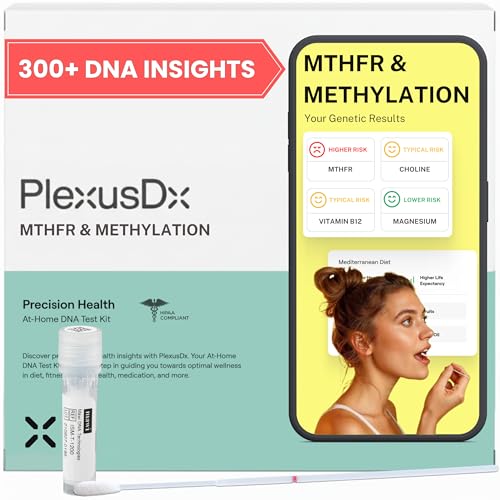
Genetic Methylation Test Kit & MTHFR Testing Kit | 300+ DNA Reports Including MTHFR Gene Variants, COMT, BHMT, AHCY and Folate | Custom Supplement & Meal Plan Recommendations with 10,000 Recipes
WHAT YOU GET: DNA reports related to Methylation Genetics , AHCY, BHMT, CBS, MTHFS, MTHFD1, MTHFD1L, MTR, MTRR,…
As an affiliate, we earn on qualifying purchases.
As an affiliate, we earn on qualifying purchases.
Conclusion
Your DNA is like a mirror reflecting your health’s true story. Epigenetic age testing acts as a key, revealing secrets hidden within your cells. By understanding these clues, you can steer your journey toward vitality and longevity. Think of your DNA as a garden; nurturing it with healthy choices helps your true age bloom beautifully. Embrace this knowledge, and let it guide you to a future where your inner clock stays in harmony with your dreams.

23andMe+ Total Health – Advanced Genetic Screening, Exome Sequencing, Biological Age, Blood Testing, Biomarkers, DNA Test Kit (Before You Buy See Important Test Info Below)
IMPORTANT: There is a lot to consider with genetic testing. Please review important information about Pharmacogenetics*, Carrier Status*…
As an affiliate, we earn on qualifying purchases.
As an affiliate, we earn on qualifying purchases.

The DunedinPACE Protocol: A Science-Based System to Slow Biological Aging, Improve Energy, and Optimize Healthspan Through Epigenetic Tracking
As an affiliate, we earn on qualifying purchases.
As an affiliate, we earn on qualifying purchases.