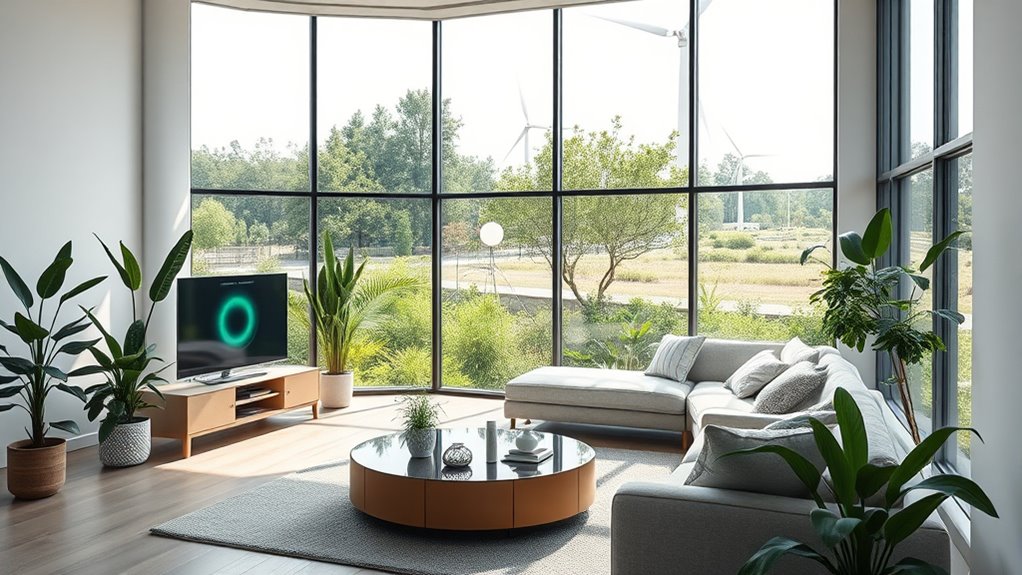

Integrating AI and sustainability in home design empowers you to create energy-efficient, eco-friendly spaces. AI tools help optimize layouts, select sustainable materials, and predict resource use, reducing waste and environmental impact. Smart systems manage energy and water consumption proactively, while virtual designs showcase eco-conscious choices. By combining these technologies, you can build resilient, low-impact homes. Continue exploring to discover how these innovations can transform your sustainable living project.
Open a free Amazon Business account
Business pricing, bulk buying and tax-exempt orders.
As an affiliate, we earn on qualifying purchases.
Key Takeaways
- AI tools optimize eco-friendly layouts, material choices, and regional climate data to promote sustainable home design.
- Incorporating AI-driven energy and water efficiency technologies reduces resource consumption and environmental impact.
- Virtual interactive design platforms showcase sustainable materials, fostering eco-conscious decisions and emotional engagement.
- AI enhances project management with predictive scheduling and quality control, minimizing waste and rework during construction.
- Smart home systems powered by AI integrate renewable energy, optimize resource use, and support long-term ecological sustainability.
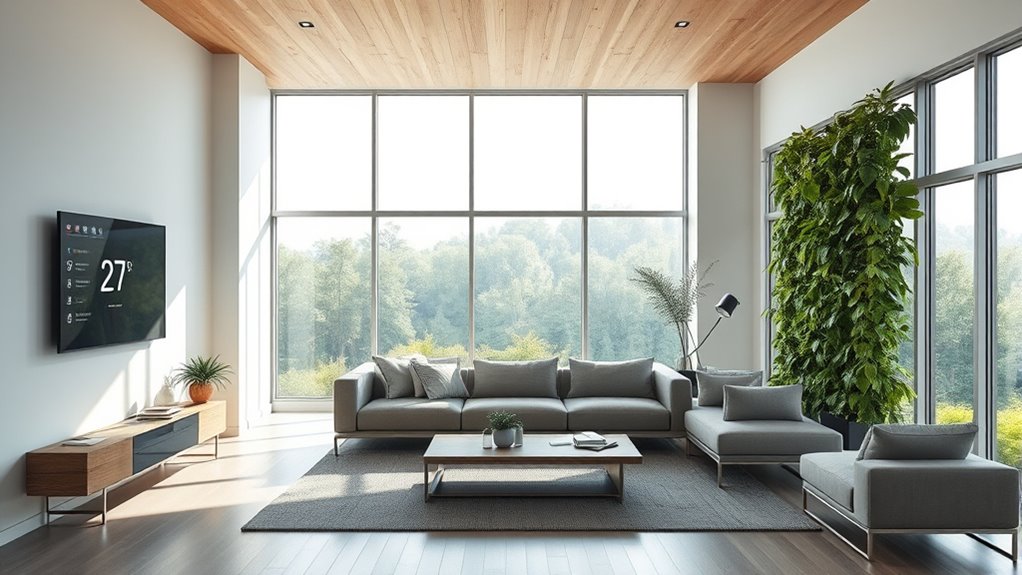
As home design evolves, integrating AI with sustainability practices is transforming how we create eco-friendly, efficient living spaces. This shift is rooted in a deeper understanding of historical architecture and urban planning, which emphasize long-lasting, contextually aware structures. AI tools actively promote energy-efficient layouts and eco-friendly materials, guiding you toward designs that balance aesthetics, durability, and environmental responsibility. By analyzing your home’s unique features, AI calculates long-term environmental impacts, helping you select sustainable choices that minimize carbon footprint and waste. Bio-based materials like algae fabric, mushroom leather, and mycelium panels are gaining popularity—they reduce environmental impact and offer distinctive textures that enhance your home’s aesthetic. Research indicates that integrating AI-driven sustainability strategies can significantly lower energy consumption and greenhouse gas emissions over the lifespan of a home. Smart home systems become central to sustainability, optimizing energy use, conserving water, and reducing waste. Automated lighting, climate control, and water management adjust based on occupancy patterns and environmental conditions, ensuring efficiency without sacrificing comfort. AI also encourages longevity in design by recommending timeless, durable materials that stand the test of time, aligning ecological goals with cost efficiency. This focus on durability ensures your home remains functional and attractive for years, lowering the need for frequent replacements and renovations. Additionally, AI can analyze local climate data and regional building codes to optimize your home’s resilience against changing environmental conditions.
In project management for sustainable construction, AI plays a pivotal role. Predictive scheduling anticipates weather patterns, adjusting timelines to prevent delays and minimize resource waste. Cost forecasting tools track fluctuations in sustainable material prices and labor costs, enabling accurate budgeting from the outset. AI-enabled quality control uses sensors and cameras to detect defects early, ensuring high construction standards and reducing rework. Sustainable materials like self-healing concrete, cross-laminated timber, recycled steel, and smart insulation are increasingly adopted, often sourced locally to reduce transportation emissions and support community economies.
Energy efficiency benefits profoundly from AI integration. HVAC systems learn household patterns to proactively adjust temperatures, reducing energy consumption without sacrificing comfort. Solar panels are seamlessly incorporated into roofing, blending renewable energy capture with visual appeal. Real-time energy dashboards help you monitor consumption, making smarter decisions about appliance use and lighting. Water conservation systems, equipped with AI, detect leaks and monitor usage, preventing waste in kitchens and bathrooms.
AI also plays a crucial role in promoting sustainable building practices that align with ecological and economic goals. AI revolutionizes virtual home staging with a focus on sustainability. Digital designs showcase eco-friendly finishes and reclaimed materials, appealing to environmentally conscious buyers. Interactive 3D tours allow potential homeowners to explore various sustainable options, fostering emotional connections through natural light and organic textures. Currently, about 31% of professionals in construction and design use AI, with expectations for widespread adoption within five years. AI enhances productivity, saves costs—averaging $74,400 annually—and speeds workflows by reducing errors. Industry enthusiasm continues to grow, driven by the promise of smarter, greener homes rooted in innovative AI solutions.
AI-powered smart home energy management system
As an affiliate, we earn on qualifying purchases.
As an affiliate, we earn on qualifying purchases.
Frequently Asked Questions
How Does AI Improve Energy Efficiency in Sustainable Homes?
AI improves energy efficiency in sustainable homes by optimizing your appliances and integrating with smart grids. It dynamically adjusts heating, cooling, and lighting based on your occupancy and external conditions. AI also models and simulates energy use to find savings opportunities, helping you reduce waste. With real-time monitoring and predictive maintenance, your home runs more efficiently, lowering energy bills and environmental impact while maximizing comfort and sustainability.
Can AI Predict Future Sustainability Trends in Home Design?
Yes, AI can predict future sustainability trends in home design through predictive analytics and trend forecasting. You can leverage AI’s ability to analyze vast data sets to identify emerging patterns in eco-friendly materials, smart technologies, and design principles. This helps you stay ahead of market shifts, adopt innovative solutions early, and create homes aligned with evolving consumer preferences and environmental standards. AI’s continuous data updates guarantee your design choices remain forward-thinking and sustainable.
What Are the Costs Associated With Integrating AI Into Eco-Friendly Homes?
You should consider the cost analysis when integrating AI into eco-friendly homes; it’s like planting seeds that grow over time. Hardware and installation can range from $1,000 to $10,000, with retrofitting adding 15–30%. Budget considerations include renewable integrations costing up to $30,000 and ongoing software fees of $10–$100/month. Weigh these expenses against energy savings, which often offset costs within 3–7 years, creating a sustainable investment.
How Do AI Systems Ensure Privacy in Smart Sustainable Homes?
You can trust AI systems to protect your privacy through data encryption and robust user authentication. These systems process data locally on edge devices, minimizing raw data transmission and safeguarding your personal information. They also use encrypted communication for access controls, while biometric methods like facial recognition and fingerprint scans ensure only authorized users gain entry. This approach balances security, privacy, and sustainability, giving you peace of mind in your smart home.
Are There Any Environmental Impacts of Deploying AI in Home Construction?
Deploying AI in home construction impacts the environment by increasing energy use, which can raise your carbon footprint and contribute to resource depletion. Training and running AI models require significant electricity, often from non-renewable sources, and hardware manufacturing consumes raw materials. While AI improves efficiency and sustainability, you should be aware of these environmental costs and support renewable energy use to minimize resource depletion and reduce overall environmental impact.
Conclusion
By embracing AI and sustainability in home design, you’re gently steering your space toward a brighter, greener future. These innovations subtly enhance comfort and efficiency without overwhelming your lifestyle. As you weave technology and eco-conscious choices into your home, you’ll find it becomes more harmonious and inviting. Together, you can create a sanctuary that nurtures both your well-being and the planet’s, all while enjoying the quiet confidence of making a positive difference.
NFL season / tailgating Picks
team gear
As an affiliate, we earn on qualifying purchases.