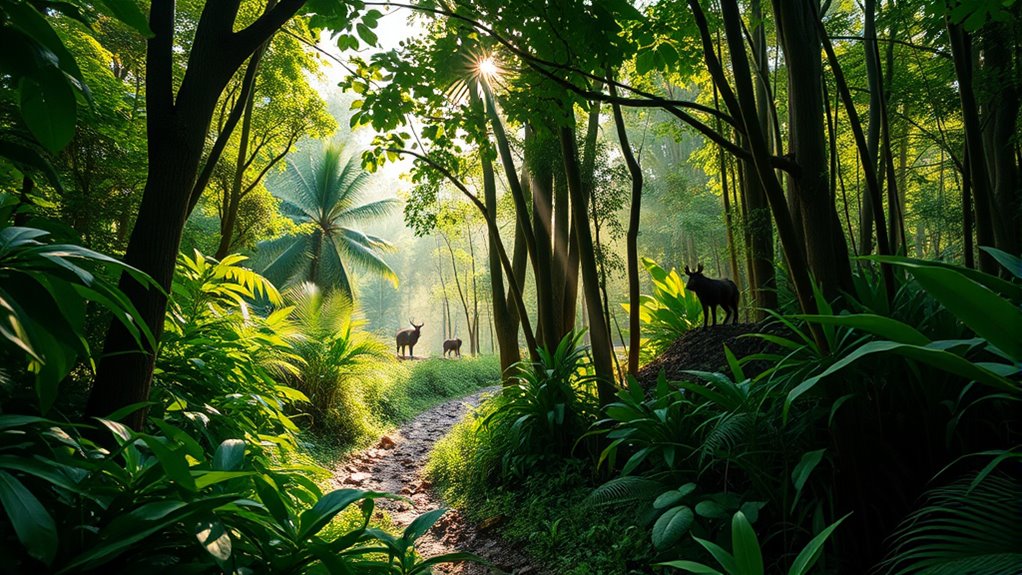

Wildlife corridors are essential pathways that connect fragmented habitats, allowing animals and plants to move freely and survive amid urban and environmental changes. They help maintain biodiversity, support migration, and guarantee gene flow between isolated populations. By linking natural areas, corridors reduce risks from habitat loss and fragmentation caused by human development. If you want to discover how these corridors are designed and the challenges involved, there’s much more to explore.

Get the latest gadgets delivered free — and shop member deals
- Fast, free delivery on millions of items
- Access to Prime Big Deal Days deals on October 6–7
- Prime Video, Amazon Music and more included
Key Takeaways
- Wildlife corridors link isolated habitats, enabling animal movement, gene flow, and migration essential for survival.
- They counteract habitat fragmentation caused by urban development, maintaining biodiversity and ecosystem health.
- Corridors include natural features like forests and water routes, as well as man-made overpasses and underpasses.
- Proper design of corridors minimizes risks such as disease spread, invasive species, and increased predation.
- Restoring and conserving corridors is vital for adapting wildlife populations to climate change and environmental shifts.
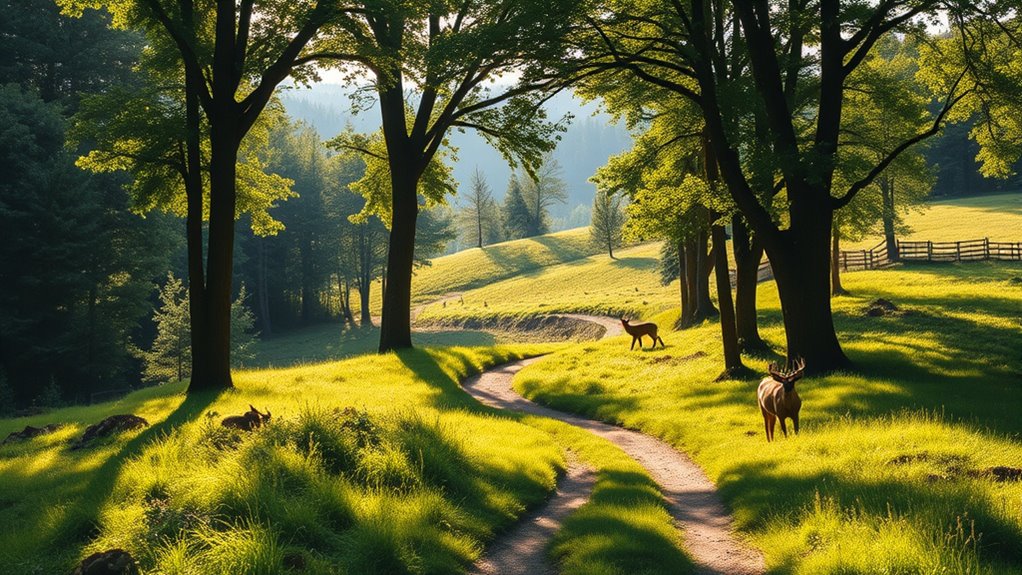
Wildlife corridors are essential pathways that connect isolated habitats, allowing animals and plants to move freely across landscapes. These corridors play a critical role in counteracting habitat fragmentation caused by human activities, especially urban development. When cities expand, they often break up natural habitats into smaller, disconnected patches, making it harder for wildlife to access resources, mates, and safe breeding grounds. By creating these narrow strips of natural habitat—whether through natural features like mountain ranges and water bodies or through man-made structures such as overpasses and underpasses—you give animals an escape route from the effects of development.
You might not realize it, but habitat fragmentation leads to genetic isolation, reducing diversity and increasing the risk of local extinctions. Wildlife corridors help mitigate this by enabling dispersal and migration, supporting gene flow between populations. This connectivity is essential during environmental changes or climate shifts, as species need to move to new areas with suitable conditions. Without corridors, animals might be forced into crowded, degraded habitats or face increased mortality trying to cross dangerous highways or urban landscapes. Corridors also allow plants to disperse seeds more effectively, maintaining healthy, resilient ecosystems.
Moreover, these pathways are indispensable for maintaining biodiversity and ecosystem function. They support pollination, seed dispersal, predator-prey interactions, and nutrient cycling, all critical for ecosystem health. As climate change shifts species’ ranges, corridors serve as migration routes, helping species adapt to new conditions. Restoring connectivity through corridors reduces the adverse effects of habitat loss and fragmentation, strengthening overall ecosystem resilience. They provide a way for wildlife populations to remain stable even in the face of rapid environmental changes. Connectivity is a key conservation strategy for biodiversity protection, ensuring the persistence of various species across changing landscapes.
However, implementing wildlife corridors isn’t without challenges. Concerns about disease spread and invasive species traveling along these routes are valid, but research indicates the ecological benefits generally outweigh these risks. Some worry that corridors may create “bottlenecks” or increase predation, but with thoughtful design and placement, these issues can be minimized. Human development remains a significant obstacle, as infrastructure and land use changes can degrade or fragment corridors if not carefully managed. Balancing landowner interests and conservation goals requires flexible policies that allow development while safeguarding essential connectivity.
Natural corridors typically include mountain ranges, forests, or water drainages that link habitats. Man-made options include overpasses and underpasses built over busy roads to facilitate safe crossings. Smaller patches, called “stepping stones,” can serve as intermittent links, but they’re less effective than continuous corridors. Regional efforts—like those in Ventura County, Los Angeles, and tribal lands—highlight the importance of local planning and restoration to maintain these essential pathways. In the end, wildlife corridors are a crucial tool for safeguarding biodiversity amid ongoing urban development and habitat fragmentation. Effective landscape planning is vital for integrating these corridors into broader conservation strategies.
wildlife corridor wildlife crossing overpass
As an affiliate, we earn on qualifying purchases.
As an affiliate, we earn on qualifying purchases.
Frequently Asked Questions
How Are Wildlife Corridors Funded and Maintained Long-Term?
You rely on diverse funding sources like federal grants, state funds, and public-private partnerships to fund wildlife corridors long-term. Maintenance strategies include invasive species removal, fencing, habitat restoration, and ongoing monitoring. These efforts guarantee corridors stay functional, support biodiversity, and adapt to changing conditions. By combining financial support with active management, you help sustain these essential connections, reducing costs over time and enhancing their resilience for future species movement.
What Species Benefit Most From Wildlife Corridors?
You might think large mammals benefit most from wildlife corridors, and they do, especially with species migration and habitat fragmentation. Animals like deer, elk, bears, wolves, and elephants rely heavily on these corridors for food, breeding, and seasonal movement. Smaller species such as amphibians, reptiles, and pollinators also gain significant advantages by connecting fragmented habitats, ensuring their survival and healthy gene flow. Overall, a wide range of species benefits from these crucial connections.
Are There Any Legal Challenges to Establishing Wildlife Corridors?
You’ll face legal obstacles when establishing wildlife corridors, especially regarding land rights and restrictions. Laws vary across federal, state, and tribal levels, often limiting your ability to implement corridors without landowner cooperation. Fencing, infrastructure projects, and other developments can block corridors, and legal challenges like lawsuits or political resistance may delay or halt progress. Managing these legal complexities requires careful planning and early engagement with landowners and stakeholders.
How Do Climate Change Impacts Affect Corridor Effectiveness?
Climate change impacts threaten corridor effectiveness by causing climate-induced habitat shifts, which can reduce habitat quality and fragment connectivity. You need to implement corridor resilience strategies, like adaptive maintenance and regional tailoring, to guarantee corridors remain functional. These strategies help animals migrate more effectively, reaching climate refugia, and mitigate climate-driven range shifts. Staying proactive in managing corridors is essential to counteract climate change’s effects on species survival and biodiversity conservation.
Can Urban Development Hinder Existing Wildlife Corridors?
Yes, urban sprawl can hinder existing wildlife corridors by increasing habitat fragmentation and blocking movement paths. As cities expand, infrastructure like roads and buildings cut through natural areas, isolating populations and disrupting connectivity. This makes it harder for wildlife to access resources, mates, and habitats. Without careful planning, urban development worsens habitat fragmentation, reducing the effectiveness of wildlife corridors and threatening species survival in fragmented landscapes.
Conclusion
By protecting and creating wildlife corridors, you become a crucial link in the chain of life, weaving together fragmented habitats like a skilled gardener tends a delicate vine. These corridors aren’t just pathways—they’re lifelines that allow animals to roam, breed, and thrive. Your efforts help guarantee that nature’s symphony continues unbroken, echoing through generations. Remember, when you connect these habitats, you’re planting the seeds for a future where wildlife can flourish freely, like stars shining brightest in the night sky.
Evergreen bestsellers Picks
bestsellers
As an affiliate, we earn on qualifying purchases.