
Community fridges are a great way for you to help those in need by providing free, accessible food options in your neighborhood. They encourage sharing surplus still-edible items, reduce food waste, and foster stronger community bonds. Volunteers and local organizations keep the fridges clean and stocked, ensuring safety and sustainability. By supporting or participating in community fridges, you’re contributing to a more caring, resilient neighborhood—discover how they make a real difference as you continue.
Key Takeaways
- Community fridges provide free, accessible food to those experiencing food insecurity, promoting dignity and community support.
- They accept safe, nonperishable or properly stored fresh items, ensuring food safety for all users.
- Volunteers maintain and monitor the fridge, organizing donations and preventing contamination or spoilage.
- Fridges foster neighborhood resilience by encouraging local donations, volunteer involvement, and strong community bonds.
- They help reduce food waste and address hunger, making communities more sustainable and caring.

Community fridges are a growing movement in neighborhoods worldwide, offering free, accessible food to those in need. These public refrigerators serve as local hubs for food sharing, accepting surplus, still-edible items from individuals and businesses. Their primary goal is to combat food insecurity while reducing food waste by connecting donors directly with recipients, bypassing bureaucratic hurdles. Typically hosted by local businesses, community centers, places of worship, or other community-connected locations, they provide power and space for refrigeration. As you get involved, understanding the importance of food safety is essential. Ensuring that only safe, nonperishable, or properly stored fresh items are placed in the fridge helps prevent foodborne illnesses. Clear signage or guidelines can educate donors about what’s appropriate to donate, maintaining the integrity and safety of the shared food. Food safety standards are critical for preventing health risks and ensuring trust within the community. Volunteer coordination plays a critical role in keeping community fridges operational. Volunteers help stock, clean, and maintain the fridge, ensuring it remains a safe and welcoming resource. Organizing schedules for regular checks and cleanings guarantees the fridge stays hygienic and functioning properly. You might find that working with local organizations or food rescue groups maximizes the impact, providing a steady flow of nutritious items. Collaboration helps streamline efforts, making sure the fridge remains well-stocked with suitable food items like fresh produce, bread, snacks, bottled water, and prepared meals, especially those aimed at supporting unhoused community members. Volunteers also oversee the enforcement of policies around leftovers and expired items, preventing contamination or health risks. Proper food handling practices and donations are necessary to cover expenses such as purchasing fridges, electricity, and maintenance supplies. Community buy-in and strong local relationships are essential to sustain the initiative and prevent misuse or vandalism. You’ll likely see that creating awareness through outreach efforts encourages more donations and volunteer support, strengthening the network. When managed effectively, community fridges foster dignity and choice for those in need, allowing anonymous access without questions or judgment. They also promote a sense of collective responsibility, building stronger community bonds. By ensuring food safety protocols and coordinating volunteer efforts, you help create a reliable resource that feeds people and promotes sustainability. In the process, you contribute to reducing food waste and supporting environmental and social well-being, making your neighborhood a more caring and resilient place to live.
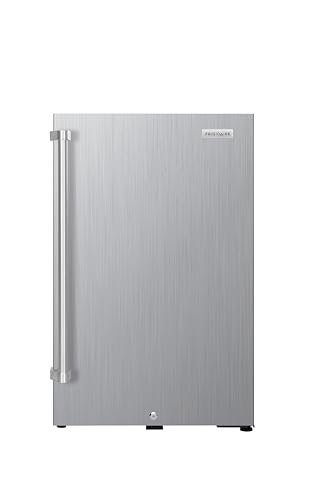
Frigidaire 4.3 CU FT capacity IPX4 Waterproof Rugged All-Weather Refrigerator, Outdoor/Indoor, Stainless Steel
Universal Beverage Fridge – These versatile mini beverage fridge units boast a 4.3 cu. ft. capacity for storing…
As an affiliate, we earn on qualifying purchases.
As an affiliate, we earn on qualifying purchases.
Frequently Asked Questions
How Are Community Fridges Funded and Maintained?
You can fund community fridges through diverse sources like federal and state grants, private donations, crowdfunding, and local sponsorships. Maintenance strategies often involve volunteers for restocking, cleaning, and repairs, reducing costs. Ongoing expenses like electricity are covered by host businesses or community funds. Partnerships with food banks and farms help sustain food supplies, while organizations oversee operations, ensuring safety and compliance to keep the fridge functional and well-maintained.
Are There Eligibility Requirements to Access Community Fridge Resources?
Imagine a open door welcoming everyone without barriers—that’s how community fridges work. There are no eligibility criteria or access restrictions; anyone can take what they need. You don’t need proof of income or citizenship. This inclusive approach guarantees that, like a shared table at a neighborhood gathering, everyone has equal access to food, fostering dignity and community support for all, regardless of background or circumstance.
What Types of Food Are Typically Available in Community Fridges?
You’ll find a variety of foods in community fridges, including perishable snacks like fresh fruits, vegetables, dairy, and pre-cooked meals. Non-perishable options such as canned goods, pasta, rice, and boxed meals are also common. Donated items from local businesses and rescue organizations fill these fridges, offering nutritious choices while ensuring safety with proper labeling and storage. It’s a diverse, accessible way to help meet your food needs.
How Can I Start a Community Fridge in My Neighborhood?
To start a community fridge, first verify local laws and secure permissions from landowners. Then, choose a high-traffic, accessible location with reliable power and weather protection. Focus on volunteer coordination to manage the fridge, food safety, and outreach efforts. Engage your community through signage, local partnerships, and events, encouraging donations and participation. Consistent communication and transparency will build trust, ensuring your fridge remains a safe, welcoming resource for everyone.
What Safety Protocols Are in Place for Food Handling and Storage?
You guarantee food safety by following proper storage guidelines, keeping perishable items at appropriate temperatures, and discarding expired or spoiled food immediately. Wash your hands before handling food, and avoid unnecessary contact to prevent contamination. Use clear labeling for donations, and regularly disinfect high-touch surfaces. Monitor the fridge for safety compliance, and encourage community members to follow hygiene rules to keep the environment safe for everyone.

4 Pack Refrigerator Freezer Thermometer Large Dial Analog Thermometer
Measuring range:-20~80℉
As an affiliate, we earn on qualifying purchases.
As an affiliate, we earn on qualifying purchases.
Conclusion
Community fridges are truly the superheroes of our neighborhoods, saving lives one meal at a time. They’re more than just cool boxes—they’re like magic portals that turn strangers into a caring family. By sharing food, you’re not just helping someone survive; you’re fueling a revolution of kindness that could change the world! So, next time you see one, remember, you’re holding the power to feed hope and ignite kindness on a scale that’s nothing short of legendary.
refrigerated donation bin
As an affiliate, we earn on qualifying purchases.
As an affiliate, we earn on qualifying purchases.

ICEVIVAL 6 Cu.Ft Commercial Refrigerators, Display Fridge with Double-Tempered Glass Door, Beverage Cooler for Bar, Office, Restaurant, Outdoor Beverage Refrigerator with Locking, Key & LED
Commercial-Grade Cooling Performance: Keep 240 cans (6 cu.ft) chilled at 32°F-50°F with 360° rapid cooling technology. Ideal for…
As an affiliate, we earn on qualifying purchases.
As an affiliate, we earn on qualifying purchases.