
TL;DR

Get the latest gadgets delivered free — and shop member deals
- Fast, free delivery on millions of items
- Access to Prime Big Deal Days deals on October 6–7
- Prime Video, Amazon Music and more included
A recent investigation shows that numerous USB-C cables do not conform to their labels. Users are advised to test cables directly instead of relying on manufacturer claims. This raises concerns about quality and safety.
Recent testing of USB-C cables reveals that many do not meet the specifications advertised on their labels, prompting a shift from trusting labels to conducting independent tests. This development matters because it affects consumer safety, device compatibility, and the integrity of product labeling.
Multiple independent testers and users have reported discrepancies between what USB-C cable labels claim and actual performance or compliance. Tests conducted by consumer electronics experts show that some cables labeled as capable of high-speed data transfer or fast charging fail to deliver consistent results. These findings suggest that a significant number of cables on the market may be mislabeled or of lower quality than advertised.
According to testing reports from tech reviewer sites and user testimonials, cables claiming to support 100W charging or Thunderbolt 3 standards often do not meet these specifications when tested with professional equipment. Some cables labeled as USB-IF certified were found to lack proper certification or failed compliance tests, raising concerns about authenticity and safety.
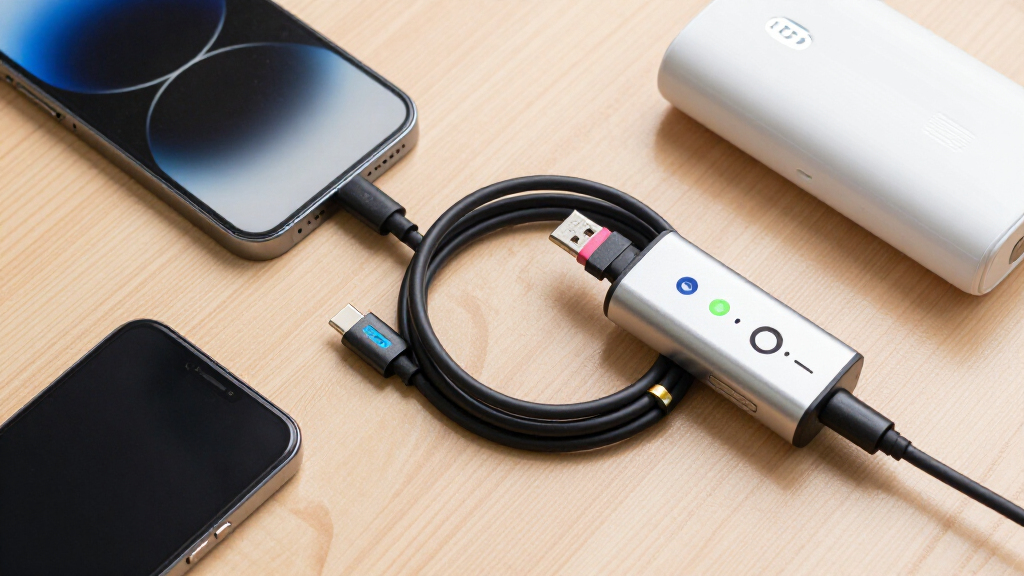
Manufacturers and sellers frequently do not provide detailed technical specifications, making it difficult for consumers to verify claims without testing. Experts recommend that users perform simple tests, such as measuring actual charging speed or data transfer rates, before trusting a cable for critical or high-performance tasks.
Why Testing USB-C Cables Is Crucial for Consumers
This issue impacts consumer safety, device longevity, and data security. Mislabeled cables can cause overheating, damage devices, or result in slower data transfer. Trusting labels without verification can lead to financial loss or hardware failure, especially for professionals relying on high-performance cables for work.
Regulatory bodies and industry standards organizations may need to enforce stricter certification and labeling requirements to prevent misleading claims. Consumers are encouraged to adopt testing practices to ensure their cables meet the advertised standards, reducing risks associated with substandard or counterfeit products.
As an affiliate, we earn on qualifying purchases.
Background on USB-C Labeling and Certification Challenges
USB-C has become the standard connector for smartphones, laptops, and peripherals due to its versatility and high data transfer capabilities. However, the rapid growth of the market has led to a proliferation of cables with varying quality and certification levels. Many cables are sold online or in retail stores with minimal oversight, and some manufacturers may cut corners or mislabel products to gain a competitive edge.
Previous reports have highlighted issues with counterfeit or uncertified cables, but recent testing efforts have brought renewed attention to the scale of mislabeling. Industry standards such as USB-IF certification aim to verify compliance, yet not all cables claiming certification are thoroughly tested or verified in practice. This disconnect fuels consumer mistrust and underscores the importance of independent testing.
Some industry experts and consumer advocates have called for better enforcement of labeling standards and more transparent testing processes to protect buyers from misleading products.
Extent of Mislabeled Cables and Consumer Risks
While testing has revealed discrepancies, it is not yet clear how widespread the issue is across all markets or brands. The full scope of mislabeled or substandard cables remains to be quantified through broader, systematic testing. Additionally, the long-term safety implications of using these cables are still being studied, and some claims about safety risks are based on limited data.
Next Steps for Consumers and Industry Oversight
Consumers are advised to perform simple tests on their cables, such as measuring actual charging speeds or data transfer rates, before use. Industry groups and regulatory agencies may increase efforts to enforce certification standards and penalize mislabeling. Manufacturers are encouraged to improve transparency and adhere to verified standards to regain consumer trust. Ongoing testing and reporting will help identify the most problematic cables and inform policy changes.
Key Questions
How can I test my USB-C cable at home?
You can test your cable by using a compatible device to measure actual charging speed or data transfer rate. For more precise results, use specialized testing equipment if available.
Are certified USB-C cables always safe to use?
Certification indicates compliance with certain standards, but recent findings suggest some certified cables may still fail to meet specifications. Independent testing is recommended for critical uses.
What should I do if my cable does not meet the advertised specs?
Stop using the cable for high-performance tasks and consider replacing it with a verified, tested product. Report issues to sellers or manufacturers if possible.
Will regulators step in to address this issue?
It is not yet clear how regulators will respond, but increased scrutiny and stricter enforcement of labeling standards are possible as awareness grows.
Source: hn
Fall Picks
fall essentials
As an affiliate, we earn on qualifying purchases.