TL;DR
A United Airlines flight from Newark to Palma de Mallorca turned back after a passenger’s Bluetooth device name, reportedly ‘BOMB,’ prompted a security response. The aircraft returned to Newark, and passengers were evacuated for security checks. The incident highlights ongoing concerns over digital threats onboard flights.
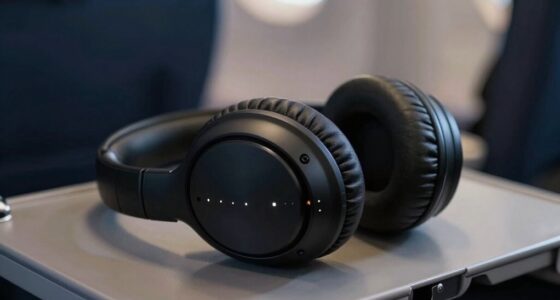
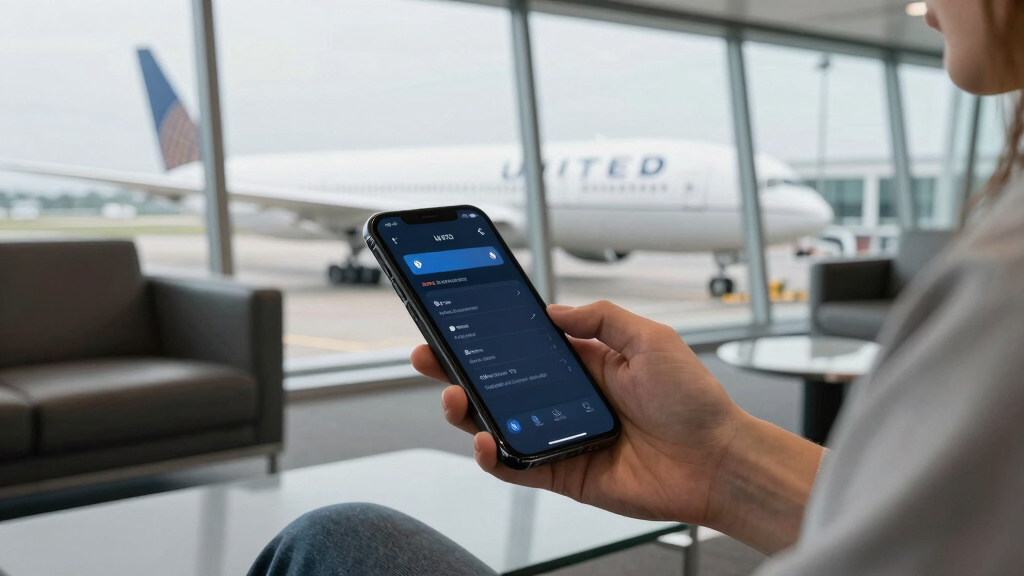
A United Airlines Boeing 767-400ER returning from Newark to Palma de Mallorca turned back after a passenger’s Bluetooth speaker name, reportedly ‘BOMB,’ triggered a security alert mid-flight. The incident led to the aircraft squawking a general emergency code and returning to Newark, highlighting ongoing security concerns over digital threats onboard commercial flights.
According to flight tracking data, United Flight 236 departed Newark Liberty International Airport at 6:08 PM local time and was approximately 60 minutes into its transatlantic journey when the security incident occurred. A passenger reportedly set their Bluetooth speaker’s name to ‘BOMB,’ which was detected by onboard systems or ground monitoring. Flight attendants issued multiple warnings, instructing passengers to turn off Bluetooth devices, but some devices remained active. The crew ultimately declared a general emergency by squawking 7700, prompting the aircraft to return to Newark, arriving at 8:50 PM after nearly three hours in the air.
Passengers were evacuated and told that up to ten law enforcement agents would meet the aircraft to investigate the threat. They were asked to leave all belongings except passports and phones onboard. A replacement aircraft, also a Boeing 767-400ER, was scheduled to depart Newark at around 2:30 AM with the same passengers, after security sweeps and TSA re-screening. The flight is currently en route to Palma de Mallorca and expected to land later today.
Why It Matters
This incident underscores the growing security risks associated with digital devices on commercial flights. It raises questions about airline protocols for handling digital threats and the potential for seemingly minor actions, such as setting a Bluetooth device name, to escalate into serious security responses. The event also highlights the importance of vigilant security measures amid rising incidents involving digital and social media-related threats.
Bluetooth speaker with safety features
As an affiliate, we earn on qualifying purchases.
As an affiliate, we earn on qualifying purchases.
Background
In recent months, there have been multiple security incidents involving digital threats on United Airlines flights. Earlier this month, a Wi-Fi hotspot named ‘Free Palestine, F Zionists’ prompted a warning from the pilot, and in April, two United flights were evacuated due to bomb threats. These events reflect increased sensitivity to potential threats, although some incidents involve non-threatening actions that are misinterpreted or escalate unnecessarily.
“We take all threats seriously and responded promptly to ensure the safety of our passengers and crew.”
— United Airlines spokesperson
“The crew warned us multiple times to turn off Bluetooth devices, but some remained active, and then the plane turned around.”
— Passenger onboard
“All passengers and crew were evacuated for security checks, and the aircraft was thoroughly inspected before resuming service.”
— Law enforcement official
What Remains Unclear
It is still unclear exactly how the Bluetooth name was detected or whether the device was actively transmitting or just discoverable. The precise security protocols followed during the incident and whether any additional threats were identified remain undisclosed. Investigations are ongoing, and further details are expected to clarify the situation.
What’s Next
Authorities will likely conduct a thorough investigation into how the Bluetooth threat was detected and whether it was malicious. Airlines may review their digital threat protocols, and further incidents involving digital threats could prompt new security measures. The airline has not yet announced any policy changes but is expected to provide updates once investigations conclude.
Key Questions
What exactly caused the flight to turn back?
The flight turned back after a passenger’s Bluetooth speaker was set to a name reported as ‘BOMB,’ which triggered a security alert and led to the aircraft squawking a general emergency code.
Were any threats confirmed to be real?
There is no evidence of a real bomb or threat; the incident was caused by the Bluetooth device name, which was interpreted as a security concern.
Will this affect future airline security protocols?
It is not yet clear, but such incidents may lead airlines to review their digital threat detection and response procedures.
What happened to the passengers?
Passengers were evacuated, security checks were conducted, and they were scheduled to fly on a replacement aircraft later that night.
Source: Hacker News