
For outdoor trips, using binoculars with 8x to 10x magnification offers the best balance between power and stability. Higher magnifications, like 12x or more, can cause shaky images and make viewing uncomfortable unless you use a tripod. If you want clear, steady views without strain, stick to the lower to mid-range options. Want to find out how to choose the perfect binoculars for your adventures? Keep going to discover more helpful tips.

Get the latest gadgets delivered free with Prime
- Fast, free delivery on millions of items
- Prime Video, Amazon Music and more included
- Member-only deals all year
Key Takeaways
- Magnification above 10x can cause instability and shakiness during handheld viewing.
- 8x to 10x magnification offers a good balance between detail and ease of use.
- Higher magnification often requires a tripod or stable mount for comfortable viewing.
- Increased magnification reduces field of view, making navigation and spotting more difficult.
- For portable outdoor trips, lower to mid-range magnifications are generally more practical.
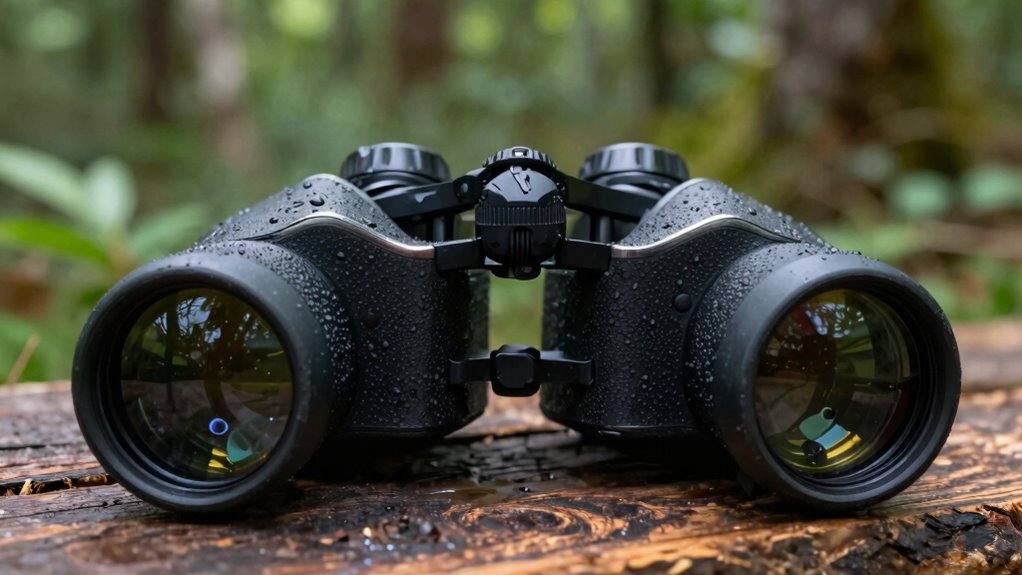
Have you ever missed a stunning view or wildlife sighting because you couldn’t get a close-up look? It’s frustrating to see something amazing but not be able to fully appreciate it. That’s where binoculars for trips come in—they’re essential tools for outdoor navigation and enhancing your experience in nature. But with so many options, one question often comes up: how much magnification is too much? The answer isn’t one-size-fits-all, but understanding the basics can help you pick the right pair for your adventures.
Most binoculars are rated with a magnification number, like 8×42 or 10×50. The first number tells you how much larger objects appear through the lenses compared to the naked eye. A pair with 8x magnification makes distant objects look eight times closer, while 10x magnifies them ten times. But more isn’t always better. As magnification increases, so does the difficulty in keeping the view steady. Higher-powered binoculars tend to shake with even the slightest hand movement, which can make viewing frustrating unless you’re using a tripod or a stable mount.
Higher magnification makes distant objects appear closer but can cause instability without a tripod.
For outdoor navigation, a good rule of thumb is to stick with binoculars in the 8x to 10x range. These offer a nice balance between magnification and stability, letting you spot wildlife or landmarks clearly without feeling like you’re wrestling to keep the view still. If you’re mainly hiking or traveling through varied terrain, lighter, lower-magnification models are easier to carry and handle. Conversely, if your trips are centered around birdwatching, wildlife observation, or scenery viewing from a fixed spot, higher magnifications like 10x can be advantageous—but only if you’re prepared for the trade-offs. Additionally, understanding the field of view can help you efficiently scan broad areas and locate subjects more quickly. A wider field of view enhances your ability to navigate unfamiliar environments and spot moving targets more easily. Moreover, selecting binoculars with a suitable eye relief can improve comfort during extended use, especially for those who wear glasses.
Furthermore, the lens diameter impacts how much light enters the binoculars, which influences image brightness and clarity, especially in low-light conditions. A larger lens diameter allows for brighter images but also adds weight, so consider your comfort and mobility when choosing a model.
Finally, it’s important to remember that binoculars’ size and weight can significantly affect your overall comfort during extended outings, so balancing magnification with portability is essential. Ultimately, the key is to match your binoculars’ magnification to your specific needs. Too much magnification can make outdoor navigation more challenging, causing eye strain and unstable views. The sweet spot for most trips tends to be between 8x and 10x, offering enough power to see details clearly without sacrificing ease of use. By selecting the right magnification, you ensure you won’t miss out on those breathtaking moments just beyond your naked eye.
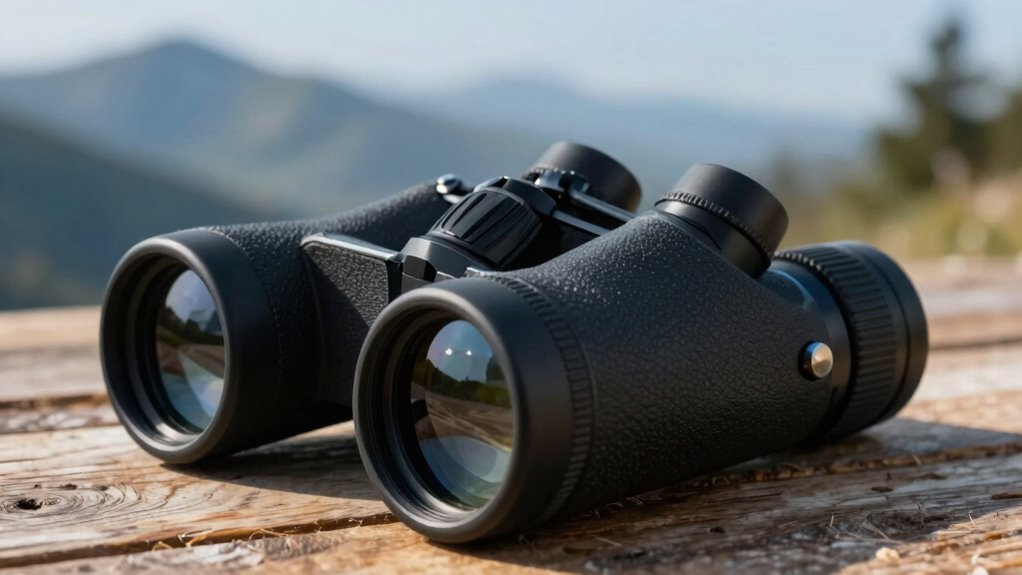
8×42 binoculars for wildlife viewing
As an affiliate, we earn on qualifying purchases.
As an affiliate, we earn on qualifying purchases.
Frequently Asked Questions
How Does Weather Affect Binocular Performance During Trips?
Weather impacts your binoculars’ performance during trips by affecting clarity and durability. Rain, fog, and humidity can cause fogging inside the lenses and reduce visibility, so look for binoculars with good weatherproofing. Extreme weather conditions test their durability; choose models with sturdy, sealed designs to withstand these elements. Properly maintaining and protecting your binoculars helps guarantee reliable performance, no matter the weather, keeping your viewing sharp and your equipment safe.
Are Waterproof Binoculars Necessary for All Outdoor Activities?
Waterproof binoculars aren’t necessary for all outdoor activities, but they’re highly beneficial if you often encounter rain, snow, or humidity. Waterproof features guarantee your binoculars stay dry and functional in wet conditions, enhancing durability considerations. If you plan to hike, bird-watch, or explore in unpredictable weather, investing in waterproof binoculars is wise. For dry, sunny environments, non-waterproof models can serve you well without added expense.
What Is the Best Weight for Portable Binoculars?
The best weight for portable binoculars is around 1 to 1.5 pounds. You want a lightweight design that’s easy to carry during long excursions, and an ergonomic grip for comfort and stability. Heavier binoculars can cause fatigue, while lighter ones are more convenient for extended use. Look for a balance between durability and weight, ensuring you can enjoy your outdoor adventures without feeling weighed down.
How Do I Choose Binoculars for Different Terrains?
Imagine your binoculars as a versatile compass guiding you through diverse terrains. For rugged landscapes, opt for lower magnification levels (8-10x) to keep steady and wide views. In dense forests or mountains, choose binoculars with durable lens coatings to resist moisture and dust. Adjust your choice based on terrain, balancing magnification for detail with stability. This way, your binoculars become a reliable lens through every adventure, no matter the landscape.
Can I Use My Binoculars for Night Vision?
You can use your binoculars for night vision if they feature night vision technology or infrared enhancement. Regular binoculars don’t work well in low light, but models with infrared capabilities allow you to see in darkness by amplifying available light or using infrared illumination. Make sure your binoculars specify night vision or infrared functions, and be aware that these features typically add to the cost and may require batteries.
Conclusion
Choosing the right binoculars feels like picking the perfect pair of shoes—they should fit comfortably and suit your needs. I once borrowed a pair with too much zoom for a birdwatching trip, and I missed the tiny feathers fluttering in the trees. Remember, more magnification isn’t always better; it’s about finding that sweet spot where clarity meets stability. When you choose wisely, every trip becomes a clear, memorable adventure—just like finding the perfect fit.
Halloween Picks
halloween
As an affiliate, we earn on qualifying purchases.