
TL;DR

Get the latest gadgets delivered free — and shop member deals
- Fast, free delivery on millions of items
- Access to Prime Big Deal Days deals on October 6–7
- Prime Video, Amazon Music and more included
An engineer in Vermont has installed working pay phones across rural communities by converting old phones with VoIP. These phones offer free calls within the US and Canada, addressing lack of cell service and serving community needs.
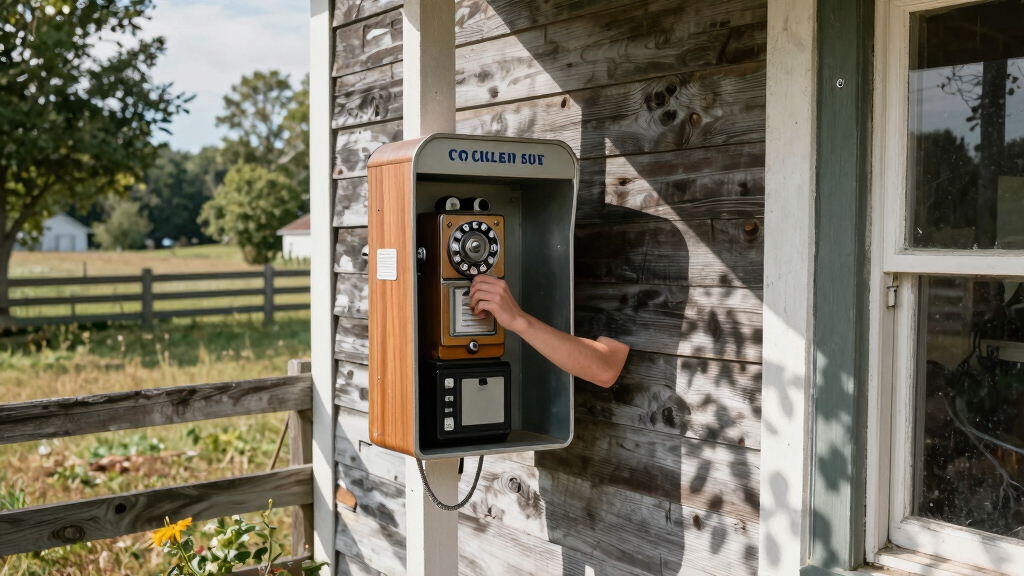
Patrick Schlott, an electrical engineer in Vermont, has installed seven functioning pay phones across rural communities using VoIP technology, restoring a piece of telecom history to serve modern needs.
Schlott, who works at Beta Technologies in South Burlington, repurposed old Western Electric pay phones by connecting them to internet-based VoIP gateways, enabling coinless calls nationwide and into Canada. His first installation was at the North Tunbridge General Store in March 2024, after securing community support and internet access. The phones are programmed for specific local numbers, including emergency services, and are registered with VoIP providers for E911 compliance.
The project was inspired by vintage phone enthusiasm and the desire to provide accessible communication options in areas with limited cell coverage. The phones operate through analog telephone adapters (ATAs) that link traditional phones to internet-based VoIP systems, allowing the use of old hardware with modern technology. Schlott has installed these phones in libraries, schools, and town halls, with more planned, driven by community demand and the upcoming Vermont ban on smartphone use in schools starting September 2026.
Why It Matters
This initiative highlights a creative approach to addressing rural connectivity issues, especially as cell service remains unreliable in some areas. It also preserves a historic form of communication, fostering community engagement and providing a reliable, permission-free public communication method. The project could inspire similar efforts elsewhere, blending vintage technology with modern infrastructure.
As an affiliate, we earn on qualifying purchases.
Background
Pay phones were once ubiquitous but have largely disappeared due to the rise of mobile phones. Vermont recently passed legislation to ban smartphone use in schools starting in September 2026, increasing demand for alternative communication methods. Schlott’s project draws on the nostalgia and durability of vintage phones, adapting them with VoIP technology to serve current needs in rural Vermont communities.
“Phones used to operate on two types of lines: ground start and loop start. I use loop-start phones connected via VoIP gateways, making old hardware functional again.”
— Patrick Schlott
“Having a public phone is useful, especially when cars break down or for emergencies. Patrick’s project is a great addition to our community.”
— Mike Gross, store owner
What Remains Unclear
It is not yet clear how sustainable or scalable the project will be long-term, including funding and maintenance. The full community impact and potential regulatory challenges remain to be seen.
What’s Next
Schlott plans to install more phones in additional community centers, schools, and libraries. He is also exploring ways to secure ongoing funding and community support to expand the project further.
Key Questions
How do these pay phones work with modern technology?
The phones connect via analog telephone adapters (ATAs) to VoIP gateways, which route calls over the internet, enabling traditional-looking pay phones to make free calls nationwide and into Canada.
Are these pay phones available for public use at all times?
Yes, they are installed in public community spaces like libraries and town halls, and are accessible for anyone to use, with some programmed for specific community services.
Will these phones be able to call emergency services?
Yes, the phones are registered with VoIP providers for E911, passing location data to emergency responders if dialed.
Why bring back pay phones now?
They address rural connectivity gaps, offer a permission-free communication method, and preserve a historic technology that remains durable and recognizable.
How is the project funded?
Schlott funds the project through donations and personal money, as used pay phones can be costly to acquire and restore.
Halloween Picks
halloween
As an affiliate, we earn on qualifying purchases.