
TL;DR

Get the latest gadgets delivered free with Prime
- Fast, free delivery on millions of items
- Prime Video, Amazon Music and more included
- Member-only deals all year
A Vermont engineer has installed functional pay phones in rural areas, utilizing VoIP technology to reconnect communities without reliable cell service. The project aims to preserve old tech and improve local communication access.
In 2025, a Vermont engineer has restored and installed functioning pay phones across rural communities in Vermont, leveraging VoIP technology to reconnect residents without reliable cell coverage. This initiative highlights the renewed relevance of traditional public phones and their potential role in modern communication infrastructure.
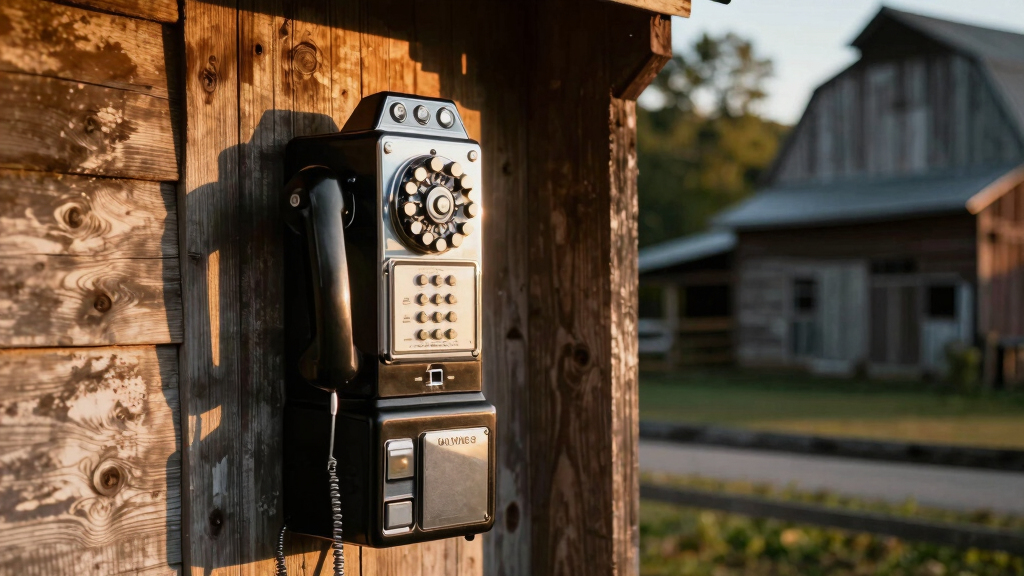
Patrick Schlott, an electrical engineer at Beta Technologies in South Burlington, has retrofitted old pay phones with VoIP gateways, enabling them to make calls across the United States and Canada without coin or landline requirements. Since March 2024, he has installed seven phones in locations including libraries, schools, and town halls, responding to local demand driven by poor cell service and upcoming school bans on smartphones.
Schlott’s conversions involve using analog telephone adapters (ATAs) that connect vintage phones to internet-based VoIP services, effectively creating a digital landline. He ensures each device is registered with emergency services to support 911 calls. The project is funded through donations and personal investment, with additional units planned for community centers and educational institutions.
Why It Matters
This development matters because it demonstrates a practical revival of old communication infrastructure, providing reliable, coinless access in areas where modern cellular networks are insufficient. It also preserves the cultural and historical significance of pay phones while addressing contemporary connectivity gaps, especially in rural Vermont communities that face ongoing digital divide challenges.
As an affiliate, we earn on qualifying purchases.
Background
Pay phones, once ubiquitous, have largely vanished due to the rise of mobile phones and declining landline use. Vermont’s rural areas often lack reliable cell coverage, prompting local initiatives to find alternative communication methods. The project draws inspiration from similar efforts like Futel and PhilTel, which aim to keep public phones relevant. The state’s upcoming ban on smartphones in schools starting September 2026 further increases demand for accessible, non-device-based communication options.
“I wanted to see if I could bring back a piece of public infrastructure that’s been lost, using modern tech. These phones are rugged, reliable, and familiar — they can serve communities where cell service is spotty.”
— Patrick Schlott
“When Patrick approached me, I thought it was a neat idea. It’s good to have a phone available for folks in emergencies or just to connect without needing a cellphone.”
— Mike Gross, North Tunbridge General Store owner
What Remains Unclear
It is not yet clear how sustainable or scalable the project will be long-term, or whether other communities will adopt similar methods on a larger scale. The technical reliability and maintenance of these converted phones remain to be fully tested over time.
What’s Next
Schlott plans to install more pay phones across additional community centers and schools in Vermont. He is also exploring partnerships with local governments and organizations to expand the project, and monitoring the operational durability of the current units. Further technical developments may include adding features like emergency hotlines or community messaging.
Key Questions
Why are pay phones being revived now?
They are being revived to serve rural communities with limited cell coverage and to preserve a historic communication method that remains useful in emergencies and for certain users, especially as Vermont prepares for a school ban on smartphones in 2026.
How do these pay phones work with VoIP technology?
Old phones are connected via analog telephone adapters (ATAs) that link them to VoIP gateways, allowing calls to be routed over the internet as if they were traditional landlines, without the need for coin or landline service.
Are these pay phones used for emergency calls?
Yes, each installation is registered with emergency services to support 911 calls, passing the location data to responders. However, they are primarily intended for general public use and community support.
What challenges does the project face?
Potential challenges include ensuring long-term maintenance, technical reliability, securing funding for expansion, and managing the integration of old hardware with modern internet-based systems.
Halloween Picks
halloween
As an affiliate, we earn on qualifying purchases.