
TL;DR

Get the latest gadgets delivered free with Prime
- Fast, free delivery on millions of items
- Prime Video, Amazon Music and more included
- Member-only deals all year
The U.S. Department of Justice has issued subpoenas to major tech and retail companies seeking data on over 100,000 users of EZ Lynk’s Auto Agent app. The case involves allegations of emissions control violations and raises privacy concerns. The companies are preparing to challenge the subpoenas, and the outcome could impact digital privacy enforcement.
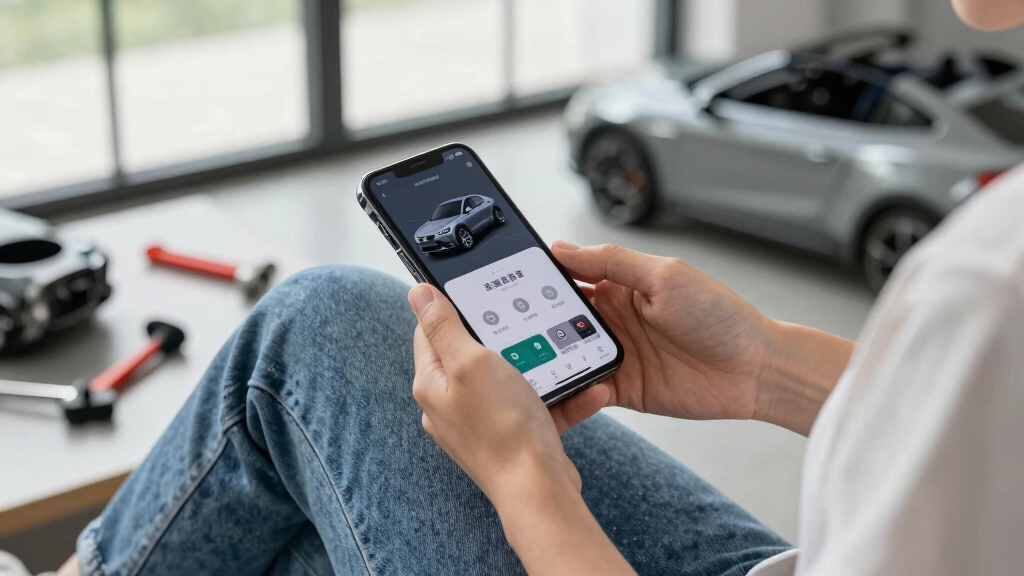
The U.S. Department of Justice has subpoenaed Apple, Google, Amazon, and Walmart for data on over 100,000 users of EZ Lynk’s Auto Agent app, intensifying a legal battle over vehicle emissions controls. This development underscores the government’s efforts to trace potentially illegal modifications tied to the app, which is marketed for vehicle diagnostics and tuning but allegedly used for emissions defeat devices. The move raises significant privacy and legal questions about user data and regulatory enforcement.
The DOJ’s subpoenas, issued in March and April 2026, seek personal information—names, addresses, phone numbers, and purchase histories—linked to the Auto Agent app and associated hardware. The app, developed by Cayman Islands-based EZ Lynk, is used by tens of thousands of drivers to monitor vehicle performance and perform diagnostics. However, the government alleges that some users employ the tool to disable emissions controls, violating the Clean Air Act.
EZ Lynk denies wrongdoing, asserting that its products serve legitimate purposes, and emphasizes that any emissions-related use is the responsibility of the user. The company’s lawyers argue that the broad data requests constitute an overreach and raise Fourth Amendment issues. Apple and Google are reportedly preparing to challenge the subpoenas, citing concerns over user privacy and the scope of the demand. Privacy advocates, including the Electronic Frontier Foundation (EFF), have criticized the requests for potentially sweeping personal data on users who may have only used the app for basic diagnostics.
Why It Matters
This case highlights the increasing willingness of federal authorities to access app store data to enforce regulations, potentially setting a precedent for digital privacy in regulatory investigations. The broad scope of the subpoenas, targeting hundreds of thousands of users, raises questions about privacy rights and the limits of government surveillance. For vehicle owners and car enthusiasts, the case underscores the growing legal risks associated with vehicle modifications and the use of tuning apps.
Products Worth Considering

Jackery Explorer 300 Portable Power Station, 292Wh

Logitech MX Keys S Wireless Keyboard, Graphite

Apple iPad Air (4th Generation, 10.9-inch, Wi-Fi, 256GB) – Space Gray
As an affiliate, we earn on qualifying purchases.
Background
The legal battle began with EZ Lynk’s 2021 lawsuit, which challenged allegations of violating the Clean Air Act through the sale of defeat devices. The company argues its products are primarily for diagnostics and legitimate vehicle modifications. The DOJ’s recent subpoenas mark a significant escalation, aiming to identify individuals who may have used the app to disable emissions controls. Previous enforcement efforts have targeted similar apps, but the scale here—potentially over 100,000 users—makes it particularly notable. The case also follows a broader trend of government agencies seeking digital data to pursue regulatory violations.
“Investigating this claim does not require identifying each person who has used the product.”
— EZ Lynk’s legal team
“Most users never read terms of service and may face unintended legal exposure simply for downloading a tool marketed for car diagnostics and tuning.”
— Privacy advocates
“The outcome of challenges to these subpoenas could set important precedents for digital privacy in regulatory enforcement cases.”
— Legal analyst
What Remains Unclear
It is still unclear how Apple, Google, Amazon, and Walmart will respond legally or publicly to the subpoenas. The courts have yet to rule on whether the data requests are lawful or constitute an overreach. The ultimate impact on user privacy and future enforcement actions remains uncertain as the case develops.
What’s Next
Next steps include legal challenges from the tech companies, potential court rulings on the scope of the subpoenas, and ongoing investigations into the use of the Auto Agent app. The case could also influence future policies on data access for regulatory enforcement and privacy protections.
Key Questions
Why is the DOJ demanding user data from Apple and Google?
The DOJ seeks to identify and interview users who may have used the EZ Lynk Auto Agent app to disable vehicle emissions controls, as part of its investigation into potential violations of the Clean Air Act.
Could this case affect other vehicle tuning or diagnostic apps?
Yes, the case may set a precedent for how government agencies access app store data related to vehicle modification tools, potentially impacting other similar apps and their users.
What are the privacy concerns associated with these subpoenas?
Privacy advocates argue that broad data demands could expose millions of users who downloaded diagnostic apps for legitimate purposes, raising issues about government overreach and Fourth Amendment protections.
What happens if the companies challenge the subpoenas?
The legal process will determine whether the data requests are lawful. Courts may limit or block the subpoenas if they are deemed overly broad or unconstitutional.