
TL;DR
A rocket engine cone failed during a recent test, with footage showing the damage. The event is confirmed, but the cause is still under investigation. The incident underscores the importance of engine component integrity.
A rocket engine cone failure was captured on video during a recent test, causing the engine to rupture and resulting in debris dispersal. The incident involves a private aerospace company’s test facility and underscores the risks associated with rocket propulsion components.

Get the latest gadgets delivered free with Prime
- Fast, free delivery on millions of items
- Prime Video, Amazon Music and more included
- Member-only deals all year
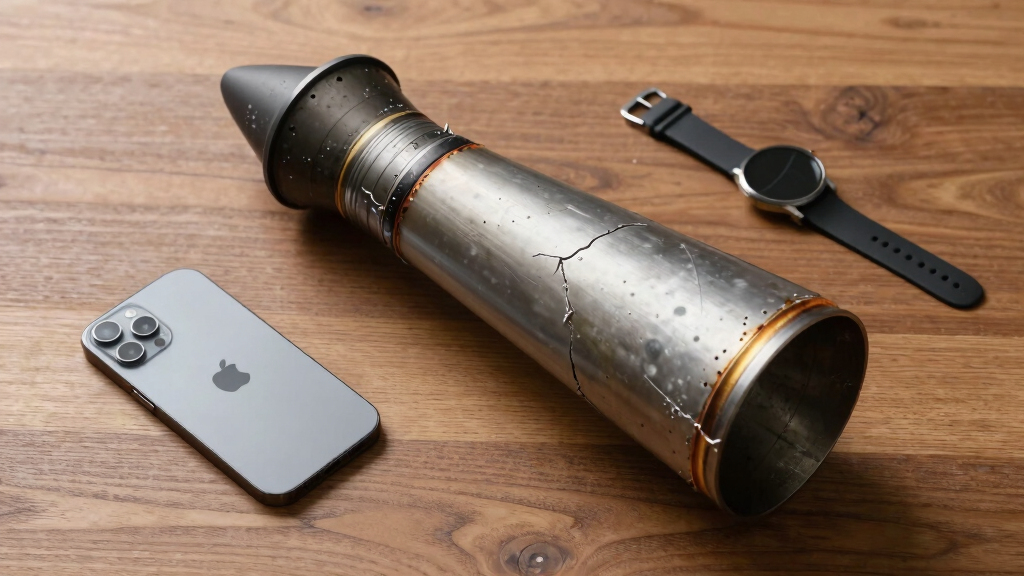
The event was recorded on a video shared on Reddit, showing the moment when the engine cone, a critical component for directing exhaust gases, failed catastrophically. The failure caused the engine to rupture, with debris flying outward and the test being halted immediately.
According to sources involved in the test, the failure appears to be localized to the engine cone, a part designed to shape and contain the exhaust flow. The company conducting the test has confirmed that no personnel were injured, and the facility has been secured pending further analysis.
Why It Matters
This incident highlights the importance of component integrity in rocket engines, especially in the context of increasing private sector launches. Failures like this can lead to delays, increased costs, and safety concerns for future missions. Understanding the cause is crucial for improving engine design and preventing similar failures.
Products Worth Considering

Apple Watch Series 12 GPS 42mm Smartwatch

Bose TV Speaker (2nd Gen) Compact Soundbar with Bluetooth and HDMI Connectivity, Black

Amazon Kindle Paperwhite (12th Generation, 2024), 16GB, 7-Inch Display, Raspberry
As an affiliate, we earn on qualifying purchases.
Background
Recent years have seen a surge in private aerospace testing, with companies pushing the limits of rocket technology. Engine cone failures are rare but potentially catastrophic, as they involve high-pressure exhaust gases. This event follows a series of successful tests but reminds the industry of ongoing risks.
“We are reviewing the footage and conducting a thorough investigation to determine the cause of the cone failure.”
— company spokesperson
“Component failures like this, while rare, underscore the importance of rigorous testing and quality control in rocket engine manufacturing.”
— industry analyst
What Remains Unclear
It is not yet clear what caused the cone failure—whether it was a manufacturing defect, design flaw, or external factor. The investigation is ongoing, and detailed analysis results are expected in the coming weeks.
What’s Next
The company will conduct detailed forensic analysis of the failed component and test data. Future tests are expected to include enhanced inspections and possibly design modifications to prevent recurrence. Public updates are likely as the investigation progresses.
Key Questions
What exactly failed in the rocket engine?
The failure involved the engine cone, a component that directs exhaust gases. Video footage shows it rupturing during the test.
Was anyone injured in the incident?
No injuries were reported. The company confirmed that personnel were safe and the facility was secured.
What are the potential causes of this failure?
The investigation is ongoing, but possible causes include manufacturing defects, design flaws, or external stress factors. No definitive cause has been announced yet.
Will this delay future rocket tests or launches?
The company has not announced specific delays, but the incident may lead to additional testing and review, potentially affecting schedules.
How common are cone failures in rocket engines?
Such failures are rare but can be catastrophic when they occur. They highlight the importance of quality control and thorough testing in rocket development.