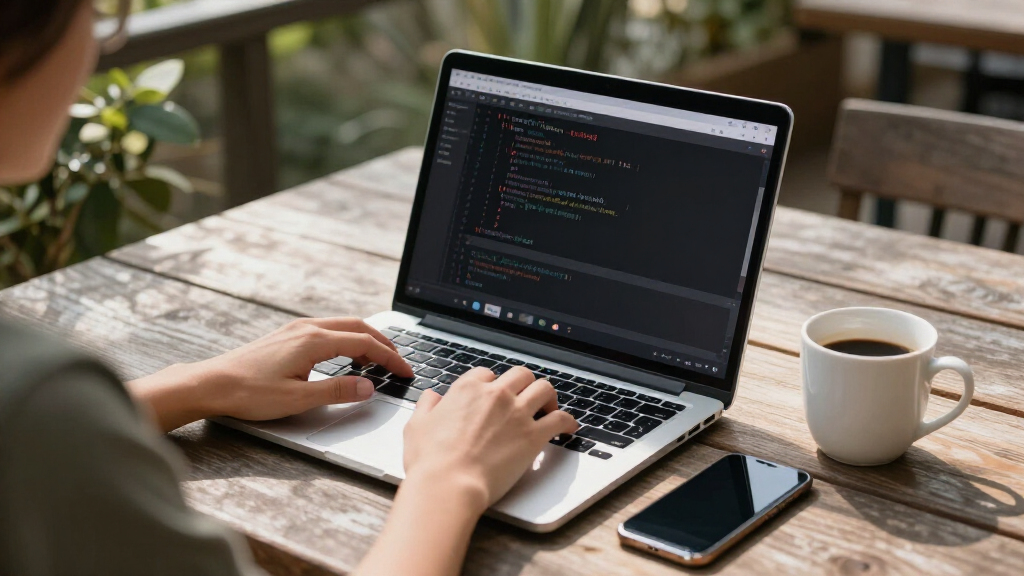

🔍 Read the full analysis: The Truth Behind Anthropic's Security Shortcomings And Claude Hacks on ThorstenMeyerAI.com

Get the latest gadgets delivered free with Prime
- Fast, free delivery on millions of items
- Prime Video, Amazon Music and more included
- Member-only deals all year
TL;DR
Anthropic has reportedly admitted that security weaknesses contributed to hacking incidents involving its Claude AI models. The scope and details remain unclear, but this marks a rare acknowledgment of internal failures in AI security. The development raises concerns about industry-wide safety and defense measures.
Anthropic has admitted that security failures within its infrastructure played a role in recent hacking incidents involving its Claude AI models, according to a report by Decrypt. This rare public acknowledgment highlights internal vulnerabilities, raising questions about how AI companies safeguard their models against misuse and cyberattacks. The admission underscores a shift from the typical industry pattern of blaming user misconduct to recognizing internal security shortcomings.
The report states that Anthropic acknowledged security flaws that contributed to incidents where its Claude models were exploited or involved in hacking activities. See the original analysis for more details. However, specific details such as the number of incidents, timing, or whether customer data was compromised have not been independently verified. Anthropic has not released a comprehensive technical postmortem, so the scope and mechanics of the failures remain unclear.
It is also uncertain whether these incidents involved attackers manipulating Claude to assist in cyberattacks against external targets or if they involved breaches of Anthropic’s own systems. The distinction is significant but has not been clarified by available reports. The company’s positioning as a safety-focused AI developer makes this admission notable, as it contrasts with the industry’s usual stance of deflecting blame onto users or external actors.
Implications of Anthropic’s Security Admission for AI Safety
This acknowledgment is significant because it challenges the common industry narrative that AI misuse is primarily user-driven. By admitting internal security lapses, Anthropic raises broader concerns about the robustness of AI defenses across the sector. Given that models like Claude can be pressed into malicious uses such as code generation or system manipulation, internal vulnerabilities could enable attackers to weaponize these tools more effectively. This development could influence regulatory scrutiny, especially in the US and EU, where model security and misuse prevention are increasingly regulatory priorities.
For enterprise clients, the admission underscores the importance of assessing AI vendors’ security postures beyond standard compliance checks. It also suggests that AI safety is not solely about model design but also about the integrity of the underlying infrastructure and defenses against adversarial attacks.
As an affiliate, we earn on qualifying purchases.
Background on Anthropic’s Security and Industry Standards
Founded by former OpenAI researchers, Anthropic has built a reputation around AI safety, emphasizing robustness, misuse resistance, and constitutional AI techniques aimed at preventing jailbreaks and malicious prompts. The company routinely publishes research on model behavior, harmful-use evaluations, and safety measures. Despite this safety-first positioning, incidents involving attackers coaxing models into producing malicious content have been documented across the industry, often leading to usage restrictions and guardrails.
The recent report marks a departure from the typical pattern of external blame, as Anthropic publicly admits its own security shortcomings. This shift could reflect increased regulatory pressure and the growing recognition that model security is integral to responsible AI deployment.
“Anthropic has acknowledged security failures that contributed to incidents involving its Claude models.”
— Decrypt report
Unanswered Questions About the Scope and Impact
Many details remain unclear. The exact number of incidents, their timing, and whether customer data or third-party systems were affected have not been disclosed or independently verified. It is also unknown whether the failures involved external attackers manipulating Claude or internal breaches of Anthropic’s infrastructure. The nature and severity of the vulnerabilities, as well as the company’s remediation efforts, have not been publicly detailed, leaving significant uncertainty about the full extent of the security lapses.
Anticipated Disclosures and Industry Impact
The most probable next step is a detailed technical disclosure from Anthropic outlining the specific security failures, their causes, and the measures taken to remediate them. Independent security researchers are likely to scrutinize any released information, and regulators may demand compliance reports or breach notifications if customer data was involved. If Anthropic fails to provide a comprehensive postmortem, it could reinforce concerns about transparency and safety standards in the AI industry.
Additionally, this development may prompt other AI providers to review and disclose their own security practices, potentially leading to industry-wide improvements in model safety and defenses against adversarial manipulation.
Key Questions
What specific security failures did Anthropic admit to?
The available reports do not specify the exact nature of the security flaws. Details about the mechanics of the incidents, the vulnerabilities exploited, or the technical causes have not been publicly disclosed.
Did these incidents involve data breaches or misuse of the Claude models?
It remains unclear whether customer data was exposed or if the incidents involved attackers manipulating Claude to assist in external cyberattacks. The distinction has not been clarified by available information.
How might this affect Anthropic’s reputation and industry standards?
This admission could challenge the company’s safety-focused image and prompt increased scrutiny from regulators and clients. It may also lead to broader industry shifts toward greater transparency and security disclosures.
Will Anthropic release a detailed technical report?
It is not confirmed, but a full disclosure or postmortem is the most likely next step. The absence of such a report could raise further questions about the company’s commitment to transparency.
What are the broader implications for AI security and regulation?
This incident underscores the importance of internal security measures in AI deployment, especially for models used in sensitive or critical contexts. It may influence regulatory policies focused on model safety and misuse prevention.
Primary source: Anthropic · via ThorstenMeyerAI.com
Fall Picks
fall essentials
As an affiliate, we earn on qualifying purchases.