
TL;DR
Listen free for 30 days with Audible
Thousands of audiobooks and originals — cancel anytime.
As an affiliate, we earn on qualifying purchases.
Scientists are revisiting glycol vapors, an old disinfection technology, as a tool to combat airborne pathogens. Recent funding and studies aim to evaluate their safety and effectiveness for pandemic prevention.
Scientists are conducting new research into glycol vapors, a disinfection method used in the mid-20th century, to determine if they can be deployed at scale to prevent future airborne pandemics.
Glycol vapors, including propylene glycol and triethylene glycol, are known to inactivate viruses and bacteria in indoor air. Historical studies from the 1940s showed significant reductions in respiratory illnesses in wards treated with glycol vapors, though modern research standards differ. The COVID-19 pandemic rekindled interest, leading to emergency EPA approvals in some states for glycol-based disinfectants in occupied spaces. Currently, Blueprint Biosecurity has allocated $4.5 million to fund multidisciplinary research into their efficacy and safety, with initial results expected by 2027.
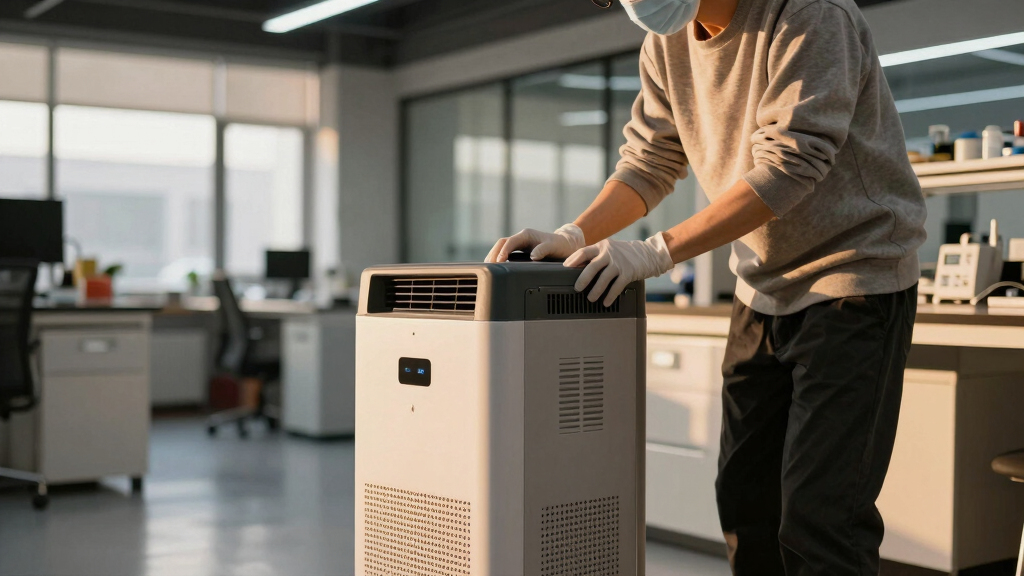
The technology involves vaporizing glycols into indoor environments, where they can neutralize airborne pathogens at low, non-toxic concentrations. While the science supports their effectiveness against enveloped viruses like influenza and SARS-CoV-2, comprehensive modern data are still being collected. Researchers are also examining safety concerns, especially for sensitive populations such as those with asthma or allergies.
Why It Matters
This research could lead to a new, scalable method for reducing airborne disease transmission, potentially transforming pandemic preparedness and response. If proven safe and effective, glycol vapors could supplement existing measures like vaccination and ventilation, especially for highly contagious airborne illnesses.
propylene glycol vapor disinfectant
As an affiliate, we earn on qualifying purchases.
As an affiliate, we earn on qualifying purchases.
Background
Interest in glycol vapors as disinfectants peaked in the 1940s but waned with the advent of antibiotics and modern disinfection methods. Renewed attention emerged during the COVID-19 pandemic, which revealed gaps in understanding and skepticism among public health agencies. Past studies indicated their potential, but modern validation was lacking. The current research aims to fill this gap, building on historical data while applying contemporary scientific standards.
“This shows where the potential could be for glycol vapors to help prevent airborne diseases.”
— Jacob Swett, Blueprint Biosecurity
“Glycol vapors are particularly effective against enveloped viruses like SARS-CoV-2 and influenza.”
— Curtis Donskey, infectious disease researcher
“Robust evaluation of glycol vapors is essential to understand their efficacy and safety for pandemic preparedness.”
— Brian Renda, Blueprint Biosecurity
What Remains Unclear
It remains unclear how effective glycol vapors will be in diverse real-world settings, their safety for all populations, and optimal deployment methods. Results from ongoing studies are needed to confirm their practical utility.
What’s Next
Research teams will conduct experiments in controlled environments and healthcare settings, with initial findings expected by 2027. Future steps include regulatory review, development of deployment protocols, and potential pilot programs.
Key Questions
How do glycol vapors inactivate viruses?
Glycol vapors disrupt the viral envelope and inactivate viruses by damaging their structural integrity, though the precise mechanisms are still under study.
Are glycol vapors safe to breathe in indoor environments?
At low concentrations, glycol vapors are considered safe for humans, but comprehensive safety assessments are ongoing, especially for sensitive populations.
Could glycol vapors replace existing disinfection methods?
It is too early to say; glycol vapors are being evaluated as a complementary measure, not a replacement, pending further research.
When might glycol vapor technology be widely available?
If research confirms safety and efficacy, deployment could occur within a few years, likely after regulatory approval and pilot testing.
What are the main challenges to deploying glycol vapors at scale?
Challenges include ensuring safety for all populations, developing effective delivery systems, and gaining regulatory approval based on robust evidence.
College move-in / dorm season Picks
dorm essentials
As an affiliate, we earn on qualifying purchases.