
TL;DR

Get the latest gadgets delivered free — and shop member deals
- Fast, free delivery on millions of items
- Access to Prime Big Deal Days deals on October 6–7
- Prime Video, Amazon Music and more included
OpenAI has launched ChatGPT Health, a new feature allowing users to connect health data for personalized answers. Currently limited to early users, its broader availability and regulatory implications remain uncertain.
OpenAI has introduced ChatGPT Health, a new feature within its chatbot platform that allows users to connect medical records and wellness apps for more personalized health answers. For more details, see the original analysis. The company stated this feature is currently available to a small group of early users on web and iOS, with plans for broader access later in 2026.
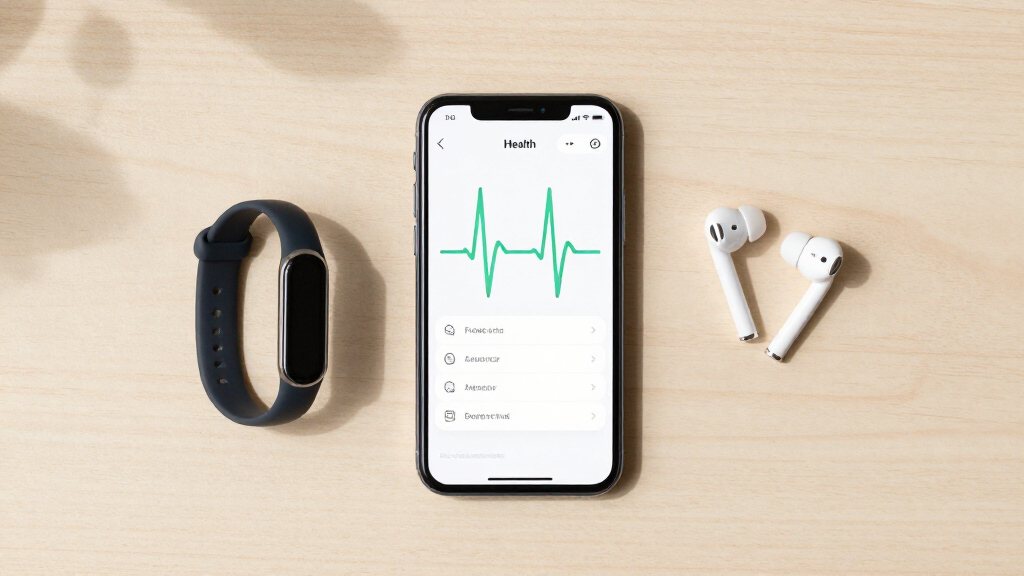
The new feature enables users to link data from services including Apple Health, MyFitnessPal, Peloton, Weight Watchers, and AllTrails. Learn more about how health data integration is evolving in this development. In the United States, users can also import medical records through a partnership with b.well, a health data connectivity firm. OpenAI emphasized that health conversations are stored separately from other chats, protected by purpose-built encryption, and are not used to train its models.
Developed over two years with input from more than 260 physicians across 60 countries, ChatGPT Health aims to provide answers that reflect a user’s actual lab results, visit history, and activity, rather than generic guidance. The company introduced HealthBench in 2025, a testing framework used to evaluate its accuracy and safety in health-related conversations.
OpenAI clarified that the tool is not intended for diagnosis or treatment, positioning it as a wellness aid rather than a medical device. For a deeper dive into AI health tools, see the original analysis. The feature is not yet available in the European Economic Area, Switzerland, or the UK, due to stricter data protection laws, but broader regional rollout is expected later in 2026.
Implications of Personalized AI Health Tools
This development marks a significant step in integrating AI-powered health assistance into consumer technology, potentially transforming how people manage their health data and communicate with healthcare resources. It signals OpenAI’s move toward a more personalized, data-driven approach to health guidance, which could influence industry standards and regulatory debates.
However, the introduction of such sensitive capabilities raises concerns about privacy, data security, and the potential for misuse or misinterpretation of health information. The product’s framing as a wellness tool, not a medical device, may influence the level of regulatory oversight it attracts.
Apple Health compatible fitness tracker
As an affiliate, we earn on qualifying purchases.
As an affiliate, we earn on qualifying purchases.
Background on AI and Digital Health Integration
Over recent years, AI companies have increasingly explored health applications, with rivals like Anthropic expanding capabilities in life sciences. OpenAI’s move follows a pattern of integrating AI into everyday health management, driven by the fact that hundreds of millions of health-related queries already flow into ChatGPT weekly.
OpenAI’s development of HealthBench in 2025 reflects ongoing efforts to evaluate and improve AI responses in health contexts, emphasizing safety and accuracy. The company’s cautious approach, including limited initial rollout and emphasis on privacy, highlights the sensitive nature of consumer health data.
“While promising, the accuracy and safety of AI-driven health tools still require rigorous independent validation before widespread adoption.”
— Dr. Laura Chen, healthcare AI researcher
Unanswered Questions About Broader Availability and Regulation
It remains unclear when ChatGPT Health will be available to the general public outside the initial early-user group, or in regions like Europe where data protection laws are stricter. The accuracy of AI responses in real-world, diverse medical scenarios outside controlled testing has not yet been independently verified. Additionally, how health data from connected third-party apps will be governed once transferred remains uncertain. The regulatory response from health authorities in different jurisdictions is also still developing.
Next Steps for Broader Adoption and Regulatory Review
OpenAI plans to expand access from early users to the waitlist in the coming weeks, with additional integrations and regional launches anticipated later in 2026. The company will likely face increased scrutiny from regulators, especially in Europe and the UK, as the product’s capabilities develop. Future updates may include more app integrations, independent evaluations of answer accuracy, and regulatory guidance clarifications.
Key Questions
What exactly is ChatGPT Health?
ChatGPT Health is a new feature within ChatGPT that allows users to connect their medical records and wellness apps to receive personalized health responses based on their own data.
Who can access ChatGPT Health now?
At launch, access is limited to a small group of early users on web and iOS, with a waitlist for broader availability. It is not yet available in Europe, the UK, or Switzerland.
Will my health data be used to train AI models?
No. OpenAI states that health conversations are stored separately, encrypted, and are not used to train its models.
Is ChatGPT Health meant to replace medical advice?
No. OpenAI emphasizes that the tool is intended as a wellness aid, not a diagnostic or treatment device, and users should consult healthcare professionals for medical concerns.
What regulatory issues could impact ChatGPT Health?
Since the product involves sensitive health data and interpretation of lab results, it could attract scrutiny from health authorities and data protection agencies, especially if expanded outside the U.S. or into regions with stricter laws.
Source: ThorstenMeyerAI.com
Fall Picks
fall essentials
As an affiliate, we earn on qualifying purchases.