
TL;DR

Get the latest gadgets delivered free with Prime
- Fast, free delivery on millions of items
- Prime Video, Amazon Music and more included
- Member-only deals all year
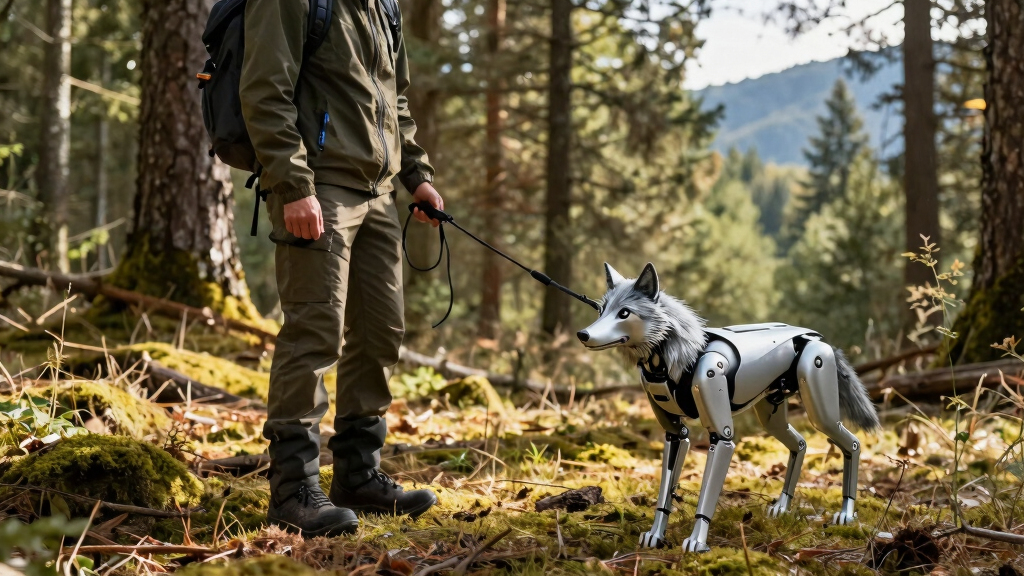
Japan’s manufacturer of robot wolves, used to deter bears in rural areas, cannot keep up with rising demand amid increasing bear encounters. The shortage raises concerns over wildlife control and rural safety.
Japan’s robot wolf deterrents are currently in short supply as demand surges due to increasing bear encounters and attacks across rural areas, with manufacturers unable to meet the rising orders.
The manufacturer Ohta, which produces the robotic wolves known as Monster Wolf, reports that it cannot keep pace with the current demand. Each unit, costing around $4,000, is handmade and equipped with sensors, solar panels, and audio systems designed to scare bears away. The company’s president, Yuji Ohta, stated that production delays mean customers are waiting two to three months for their orders.
Bear encounters in Japan have risen sharply since the start of 2025, with the government reporting at least 200 injuries and 13 fatalities—more than double the previous year’s record. Over 50,000 bear sightings have been documented across the country this year. The increase is linked to habitat encroachment from urban development and food scarcity, compounded by an aging rural population more vulnerable to attacks.
Why It Matters
This shortage highlights the growing challenge Japan faces in managing its expanding bear population, which has led to increased injuries, fatalities, and economic losses. The reliance on high-tech deterrents like robot wolves underscores the seriousness of the wildlife conflict and the need for effective solutions to protect rural communities and agricultural interests.
As an affiliate, we earn on qualifying purchases.
Background
Since 2016, Japan has used robotic wolves to deter bears, especially in areas where human-wildlife conflicts have escalated. The technology gained popularity for its realistic appearance and effective deterrence, prompting widespread adoption among farmers, golf courses, and rural workers. Despite these efforts, bear encounters have increased due to habitat loss and food shortages, leading to a record number of bear captures and euthanasia in 2025, with over 14,600 animals culled—almost triple the previous year.
“We make them by hand. We cannot make them fast enough now. We are asking our customers to wait two to three months.”
— Yuji Ohta, company president
“Bear encounters and attacks are increasing, and we are actively seeking solutions to protect rural residents.”
— Japanese government official
What Remains Unclear
It is not yet clear how long the supply shortage will last or whether alternative deterrent methods will be deployed in the interim. The effectiveness of upcoming upgraded versions, such as wheeled patrol units and handheld devices, remains untested at scale.
What’s Next
Manufacturers are likely to prioritize increasing production capacity and releasing new deterrent models. The Japanese government may also consider additional wildlife management strategies, including further culling or habitat restoration, to address the rising bear population.
Key Questions
Why are bear encounters increasing in Japan?
Encroachments from urban development and habitat loss, combined with food scarcity, have driven bears into closer contact with humans, leading to more encounters and attacks.
How effective are the robot wolves in deterring bears?
According to manufacturer reports and user feedback, the robot wolves have been effective in reducing bear activity in targeted areas, though their impact is limited by availability and deployment frequency.
Authorities may increase traditional methods such as culling, use of loud noises, or habitat management, while exploring new deterrent technologies or policies to mitigate wildlife conflicts.
When will the shortage of robot wolves be resolved?
It is currently uncertain; production delays are ongoing, and no specific timeline has been provided for when supply will meet demand.
Halloween Picks
halloween
As an affiliate, we earn on qualifying purchases.