TL;DR

Get the latest gadgets delivered free with Prime
- Fast, free delivery on millions of items
- Prime Video, Amazon Music and more included
- Member-only deals all year
Engadget’s latest reviews cover the Motorola Razr Fold, Bose Lifestyle Ultra Speaker, and Ultrahuman Ring Pro. These devices show promising features but face some limitations, with their significance tied to evolving tech markets.
Engadget’s recent review roundup confirms the Motorola Razr Fold as a competitive foldable smartphone, the Bose Lifestyle Ultra Speaker as a notable new audio device, and the Ultrahuman Ring Pro as an advanced health wearable, highlighting their key features and initial impressions.
The Motorola Razr Fold, priced at $1,900, received an 8.8/10 score, with reviewers noting its strong foldable design and competitive pricing relative to rivals like Samsung’s Galaxy Z Fold. The device’s performance, build quality, and usability are highlighted as strengths, though some software refinements are still ongoing.
The Bose Lifestyle Ultra Speaker scored 7.5/10, with praise for its sound clarity and aesthetic design. However, connectivity issues in stereo mode and a lack of deep bass were noted as drawbacks, indicating it may not fully satisfy audiophiles seeking bass-heavy sound.
The Ultrahuman Ring Pro, rated 8.9/10, is recognized for its data-rich health tracking features, offering detailed insights that appeal to fitness enthusiasts. While its hardware is comparable to the Oura Ring, its software approach is more focused on data collection and analysis, according to reviewer Daniel Cooper.
Why It Matters
This review roundup underscores the ongoing innovation in mobile devices, audio, and wearables, reflecting market shifts towards multifunctionality and health tracking. The devices’ performance and features could influence consumer choices in their respective categories, especially as brands compete for market share with offerings that blend style, functionality, and affordability.
For consumers, these reviews provide guidance on what to expect from these new products, helping them make informed purchasing decisions amidst a crowded tech landscape.
Products Worth Considering
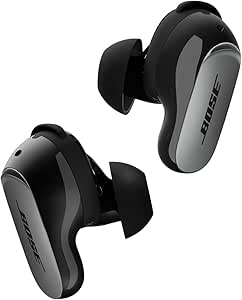
Bose QuietComfort Ultra Earbuds (2nd Gen) – Wireless Noise‑Cancelling Earbuds with Mic, Immersive Audio, USB‑C Charging, Up to 6 Hours Batte

Bose SoundLink Flex Bluetooth Speaker (2nd Gen), Black

Bose QuietComfort True Wireless Earbuds with Active Noise Cancellation, Black
As an affiliate, we earn on qualifying purchases.
Background
The recent reviews come amid a period of rapid product launches in the tech industry, with brands like Motorola, Bose, and Ultrahuman seeking to differentiate through design, features, and pricing. The Motorola Razr Fold, entering a market dominated by Samsung and Google, aims to offer an alternative foldable experience. Bose’s latest speaker models are part of a broader push to challenge established audio brands like Sonos. Ultrahuman’s Ring Pro reflects the growing emphasis on health and wellness tech, competing with established players like Oura.
“If you’re in the market for a big new foldable phone, the Razr Fold is more than just a third wheel. It’s a great option in its own right, and starting at $1,900, it’s a touch more affordable than the Z Fold 7 too.”
— Sam Rutherford, Engadget
“Sure, you’ll likely be pleased with its standalone performance, although you may encounter some connectivity kinks with stereo pairing at first.”
— Billy Steele, Engadget
“I find Ultrahuman’s more data-heavy approach more useful, and the hardware design is solid, making it a compelling alternative to the Oura Ring.”
— Daniel Cooper, Engadget
What Remains Unclear
Details about long-term software stability, user experience in real-world scenarios, and how these devices will evolve through updates remain unclear. Additionally, the full extent of connectivity issues with the Bose Ultra Speaker and the actual health benefits of the Ultrahuman Ring Pro are still under observation.
What’s Next
Next steps include further software updates and user testing to address current limitations. Manufacturers are expected to release firmware patches and possibly new versions, while consumer feedback will shape future iterations of these products. Market performance and adoption rates will also influence their standing in competitive categories.
Key Questions
How does the Motorola Razr Fold compare to Samsung’s foldables?
The Razr Fold is positioned as a more affordable alternative, with a score of 8.8/10, and offers a different form factor that emphasizes style and usability. However, Samsung’s devices still lead in software ecosystem and durability.
Are the Bose Ultra Speakers worth buying despite connectivity issues?
The speakers deliver good standalone sound quality, but potential connectivity issues in stereo mode suggest they may be better suited for users prioritizing design and moderate audio performance over seamless multi-room setup.
What makes the Ultrahuman Ring Pro stand out among health wearables?
Its data-heavy approach provides detailed health metrics, making it appealing for users seeking in-depth insights, although its hardware is similar to competitors like the Oura Ring.
When will these products see significant updates or new versions?
Manufacturers typically release firmware updates within weeks to months after launch, but specific timelines for these devices are not yet confirmed.