
TL;DR

Get the latest gadgets delivered free — and shop member deals
- Fast, free delivery on millions of items
- Access to Prime Big Deal Days deals on October 6–7
- Prime Video, Amazon Music and more included
Effective July 1, the EU requires all new vehicles to have a preinstalled interface for breathalyzer ignition systems. This move aims to cut alcohol-related traffic deaths by at least 50% by 2030. The regulation is part of the EU’s broader Vision Zero safety strategy.
Effective July 1, 2024, all vehicles sold within the European Union must include a preinstalled interface for breathalyzer ignition locks, a move aimed at reducing drunk-driving incidents and fatalities.
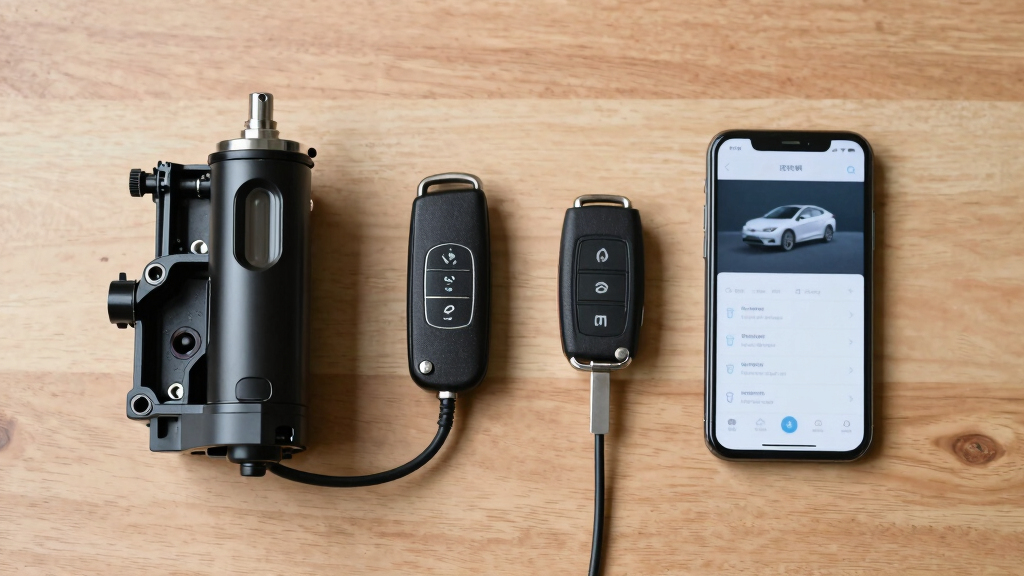
This regulation mandates automakers to provide an electrical connection and space within the vehicle to enable the installation of an ‘alcolock’ device, which must meet European standard EN 50436 and be certified by authorized bodies. The device functions by requiring drivers to blow into a breathalyzer before starting the vehicle; if alcohol levels exceed legal limits, the ignition is automatically blocked, preventing the vehicle from starting.
The measure is part of the EU’s comprehensive road safety strategy, known as Vision Zero, which aims to nearly eliminate alcohol-related traffic fatalities by 2050. The regulation aligns with existing EU safety requirements, which already include systems like intelligent speed assistants, emergency lane keepers, and event data recorders, all aimed at enhancing vehicle safety and reducing accidents.
Currently, several European countries operate breathalyzer programs for repeat offenders or professional drivers, with official estimates suggesting that widespread adoption of alcolocks could reduce alcohol-related fatal crashes by up to 65 percent.
Why It Matters
This new regulation is significant because it represents a major step in the EU’s efforts to improve road safety and prevent alcohol-related accidents. By mandating the integration of breathalyzer interfaces at the manufacturing stage, the EU aims to make alcohol ignition interlocks a standard safety feature, potentially saving thousands of lives annually.
For consumers and manufacturers, this means adapting vehicle designs to include the necessary hardware and compliance with European standards. It also underscores a shift toward proactive safety measures that prevent impaired driving before it occurs, rather than relying solely on enforcement after violations happen.
vehicle breathalyzer ignition lock
As an affiliate, we earn on qualifying purchases.
As an affiliate, we earn on qualifying purchases.
Background
The regulation is part of the EU’s broader Vision Zero initiative, launched over five years ago, which seeks to eliminate traffic fatalities related to alcohol and other causes by 2050. Since 2018, EU vehicle safety requirements have progressively integrated advanced driver-assistance systems, including speed limiters and lane-keeping aids. The addition of breathalyzer interfaces marks the final step in this phased approach to comprehensive vehicle safety enhancement.
“This regulation will significantly contribute to reducing drunk-driving incidents and save lives across the EU.”
— European Transport Commissioner
“Manufacturers are prepared to incorporate these interfaces, which will become a standard feature in new vehicles sold within the EU.”
— Automaker industry representative
What Remains Unclear
It is still unclear how quickly manufacturers will fully comply with the new requirement or how the regulation will be enforced at the dealership level. Details about the exact specifications for the hardware and the certification process are still being finalized.
What’s Next
Manufacturers will need to finalize vehicle designs to include the breathalyzer interface by July 1, 2024. Regulatory agencies are expected to monitor compliance closely, and further updates may include guidance on installation procedures and certification processes.
Key Questions
Will all vehicles be required to have a breathalyzer interface immediately?
No, the regulation applies to all vehicles sold within the EU from July 1, 2024, onward. Existing vehicles are not affected.
Can consumers install a breathalyzer device in their current vehicles?
Yes, but the regulation specifically mandates preinstallation by manufacturers for new vehicles. Retrofitting is possible but not covered by this regulation.
Will this increase the cost of new vehicles?
The added hardware and certification process may slightly increase vehicle prices, but exact costs are not yet specified.
Are all EU countries implementing this regulation uniformly?
The regulation is a European-wide mandate, but enforcement and compliance monitoring may vary slightly across member states.
What happens if a vehicle does not comply after July 1, 2024?
Vehicles sold without the required interface will not be approved for sale within the EU market after the deadline.
Source: WIRED
Fall Picks
fall essentials
As an affiliate, we earn on qualifying purchases.