
TL;DR
Wireless earbuds with noise cancellation use microphones and processing to reduce outside noise, especially steady low-frequency rumble, while a snug ear-tip seal adds passive isolation. They do not silence every voice or sudden sound, so fit, transparency mode, battery life with ANC on, and independent performance tests matter when you choose a pair.
ANC reduces steady, low-frequency sounds more effectively than sudden noises or many voices.
A snug, comfortable ear-tip seal adds passive isolation and can improve bass response.
Use transparency when you need to hear announcements or nearby people; stay alert in traffic.
Compare battery life with ANC on, and check call quality, phone compatibility, water ratings, and replacement policies.
Independent listening tests offer more useful comparisons than a single manufacturer decibel claim.

Get the latest gadgets delivered free with Prime
- Fast, free delivery on millions of items
- Prime Video, Amazon Music and more included
- Member-only deals all year
What ANC can quiet—and what it usually can’t
Wireless earbuds with noise cancellation use microphones and signal processing to reduce some outside sounds, especially steady, low-frequency rumble. Microphones pick up sound near the earbuds, and the drivers play an opposing sound wave that can reduce part of it at your eardrum. Because the microphones and drivers sit close to your ears, the system can respond usefully to ongoing noise there; it cannot predict every sound that reaches you or erase it perfectly.
That helps explain why ANC often makes a plane’s cabin drone or a bus engine feel quieter. Those sounds stay relatively consistent, giving the earbuds time to detect and counter them. A door slam or bark arrives abruptly, while a conversation changes pitch and volume from moment to moment. The electronics may reduce some of those sounds, but often leave enough detail for you to recognize them. The practical result is less tiring background rumble, not a private bubble where other people disappear.
On a subway, for instance, the rolling clatter may soften while a station announcement remains understandable. That can be useful if you want to listen at a comfortable volume, but it also means ANC alone is not a reliable way to keep out distractions or ensure privacy. Noise reduction is not silence; what remains depends on the sound, the earbuds, and how well they fit.
Manufacturers also describe performance in different ways, and a single decibel figure cannot show how a pair handles all frequencies or environments. A test that measures steady bass-heavy noise may say little about voices in an office. When comparing independent measurements, check what was tested and use the results to understand where a model performs well and where noise may remain. Listening impressions can add context, but they too depend on the reviewer’s ears and fit.
Products Worth Considering
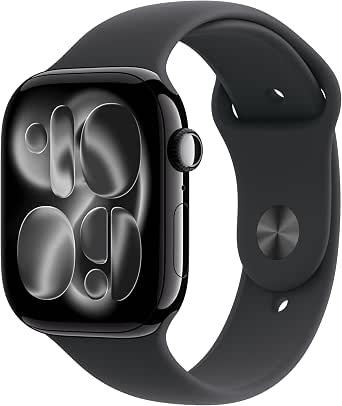
Apple Watch Series 11 GPS + Cellular, 46mm Jet Black Aluminum Case with Black Sport Band (M/L)

Apple AirPods Pro 3 Wireless Earbuds with Active Noise Cancellation

Kindle Paperwhite Signature Edition 32GB E-Reader, 7-Inch Display, Seaglass Green
As an affiliate, we earn on qualifying purchases.
How the ear-tip seal adds a second layer of quiet
Passive isolation comes from the physical barrier between the ear tip and your ear canal; ANC works electronically. That distinction matters because a tip can block some sound before the cancellation system has to handle it. A good seal can also keep low-frequency sound from leaking in and keep bass from leaking out of your music. If the seal is loose, you may hear more background noise and weaker bass at once, making the earbuds seem less effective even when ANC is working.
Try a fit check when you first open a pair. Insert each earbud gently, then speak or play a familiar song at low volume. If one side sounds thinner, bass seems weak, or the earbud shifts when you chew, try another tip size. Ears are often not identical, so using different sizes on each side can be reasonable. A fit test in an app may help, but comfort over time matters more than a single test result.
For example, someone walking through a busy station might find that a better-fitting tip reduces some sharp rail hiss before ANC is switched on. Foam tips can expand to fill the ear and feel soft to some listeners, but may need more frequent replacement. Silicone tips are generally easier to rinse and reuse, though not everyone finds their shape comfortable. Either material can work well if it creates a stable seal without soreness; a tighter fit is not automatically a better fit.
A poor seal can undermine both isolation and listening quality, and may tempt you to raise the volume to compete with outside noise. That can make listening less comfortable and expose your ears to louder sound. Comfort is part of performance: if the tips create pressure or slip during a short call, the earbuds are unlikely to suit a full commute, no matter how strong their advertised cancellation is.
Choose a noise mode that matches the moment
Noise-control modes change how much of your surroundings reach you. ANC reduces some outside noise, transparency uses the microphones to let outside sound through, and passive isolation relies only on the physical ear-tip seal. Choosing among them is a practical tradeoff: more awareness can help you follow an announcement or conversation, while less background sound can make music or work easier to focus on. On a quiet desk, ANC may add little; near a crossing, hearing traffic matters more than blocking it.
| Mode | What it does | Everyday example |
|---|---|---|
| ANC | Uses microphones and processing to reduce some outside sounds. | Softens steady cabin rumble during a flight. |
| Transparency | Uses microphones to let outside sound reach you. | Helps you hear a coffee shop order being called. |
| Passive isolation | Relies on the ear-tip seal; it needs no cancellation signal. | Reduces some room noise while you listen at your desk. |
Transparency can make a quick conversation easier without removing your earbuds, but it does not restore hearing exactly as if your ears were uncovered. Microphones and processing can change the tone or loudness of what you hear, and performance varies by model. Adaptive ANC can adjust cancellation based on detected noise or your settings, which may reduce the need to switch modes manually. But automatic changes may not match your preference in every setting, so check whether the controls let you adjust or disable them.
Consider where you will use each mode and what you need to notice. A reader on a long flight may value reduced engine rumble, while a pedestrian needs awareness of nearby traffic and people. Do not use ANC as a substitute for situational awareness; switch modes or remove an earbud when the moment calls for it. Since earbuds can affect both what you hear and how easily others hear you, choose a mode for the surroundings rather than leaving the same setting on by habit.
Use this five-step checklist before you buy
Choose by daily use, fit, and verified features, then compare the details that affect your routine. A long spec sheet can feel like a restaurant menu with too many unfamiliar dishes: start with what you actually need. Each choice has a cost in money, battery, comfort, or convenience, so a useful feature is one that solves a problem you face often. If you mostly take calls at home, a travel-focused ANC claim may matter less than clear voice pickup and comfortable controls.
- Name your main setting. Decide whether you’ll use the earbuds on flights, at a shared desk, on walks, or at the gym. A commuter facing steady bus noise has different priorities from someone who needs to hear office conversations. This helps you judge a feature by how often it will help, rather than by how impressive it sounds.
- Check comfort and tip options. Look for several tip sizes and, if available, a fit test. If you can try them, wear them for more than a few minutes to catch pressure or slipping. A good seal can improve isolation and bass, but discomfort can outweigh that benefit if you wear the earbuds for hours.
- Compare independent ANC tests. Read how reviewers tested low rumble, voices, and sudden sounds. Results across these sound types show more than one overall score because a model can handle engine noise well and still leave speech audible. Treat brand claims as claims unless the method and conditions are clear.
- Read battery figures with ANC on. Check the quoted playback time for the mode you’ll use and the case’s added charges. Calls, loud playback, and extra features can shorten real-world listening time. If you need the earbuds for a long flight or workday, the difference between ANC-on and ANC-off figures can determine whether you need a midday charge.
- Check device support and upkeep. Confirm whether app settings, multipoint connections, codecs, or spatial audio work with your phone. These features can make daily use smoother, but platform limits may make some of them unavailable. Look up water-resistance details and replacement options too, since repairs or a lost earbud can affect the long-term cost.
For example, if you travel twice a year but wear earbuds for daily video calls, prioritize a comfortable fit and dependable call controls over a premium travel feature you rarely use. Match the purchase to the hours you’ll actually wear them. A small improvement in everyday comfort may matter more over a year than a dramatic spec used on two trips.
Expect tradeoffs in battery life, calls, and comfort
ANC can cost battery power, and quoted listening time does not always reflect your routine. Check the manufacturer’s stated duration with cancellation turned on, then remember that volume, calls, and features such as spatial audio can change the result. A case adds charges, but you still need to remember to recharge it. If you use ANC throughout a workday, a shorter per-charge runtime can mean more interruptions; if you use it only on a commute, the same battery may be ample.
Call quality depends on microphone placement and voice processing, not just noise cancellation for listening. The microphones that help reduce sound for you do not necessarily make your voice clearer to someone else. On a quiet home call, your voice may come through cleanly; on a windy street, buffeting air and traffic can still make you hard to understand. Before an important call, test the microphone in the kind of place where you plan to use it, since a good listening review may not reveal how your voice sounds to others.
Some listeners describe ANC as pressure or fullness in their ears, while others barely notice it. The sensation can depend on fit, the seal, and personal sensitivity. If it bothers you, try a different tip size or a lower cancellation setting; you can also use the earbuds with ANC off if your model allows it. The best setting is one you can wear comfortably, since discomfort can make you stop using a feature you paid for.
Features such as adaptive control, voice assistants, spatial audio, and hearing-related settings differ by model and platform. They may be useful, but they do not replace professional hearing care. ANC itself does not make loud playback safe; it may make listening at a comfortable volume easier by reducing some background noise, but it does not protect your hearing from excessive volume. Keep playback comfortable and take breaks, especially during long sessions.
Make the most of earbuds in your real routine
The most useful setup changes with your surroundings. On a morning bus, you might use ANC to soften the low engine rumble, then switch to transparency before your stop so you can hear the announcement. At a shared desk, you may prefer a gentle setting that reduces the air conditioner without masking a colleague who speaks to you. These choices can make listening more comfortable, but they also require attention: a mode that suits one part of the trip may be wrong for the next.
Suppose your earbuds sound tinny during a flight. Before blaming the audio drivers, check the fit: a loose seal can weaken bass and let cabin noise seep in. Try the other tip size, reseat each bud, and compare the same song at the same volume. If the sound becomes fuller and the cabin seems quieter, the seal was likely part of the problem. This simple check can help distinguish a fit issue from an audio preference or a limitation of the earbuds.
When you see phrases like “cancelling earbuds combine” microphones with intelligent processing, look for a plain explanation of the feature and, where possible, independent testing. A claim may describe how the system is designed without showing how it performs in your setting. Products are popular for commuting and travel, but “re popular for” style marketing or an impressive feature name cannot tell you whether voices will remain audible in your office.
Small batteries and compact designs can also affect repair choices: replacement policies vary, and some earbuds are difficult to service. If you lose one bud or wear out the battery, check the maker’s replacement terms before you buy. That information helps you judge the likely cost of keeping the pair working, not just the purchase price. A feature is only helpful if it fits your routine—and you can keep using it comfortably.
Frequently Asked Questions
Do noise-cancelling earbuds block every sound?
No. ANC usually reduces steady, low-frequency sounds such as engine rumble more than voices, sudden noises, or high-pitched sounds. Your ear-tip fit and the surroundings also affect what you hear.
What is the difference between ANC and noise isolation?
ANC uses microphones and processing to reduce some outside noise. Passive isolation comes from the ear tip sealing your ear canal. Many earbuds use both.
Can I use ANC without playing music?
Many models let you turn ANC on without music, but the available modes and battery use vary. Check the specific model’s settings and ANC-on battery information.
Are noise-cancelling earbuds good for flights?
They can make steady cabin rumble less noticeable, which may make listening more comfortable. Nearby conversation and changes in cabin sound can remain audible, so ANC does not create complete silence.
Why can I still hear voices with ANC on?
Voices change rapidly and contain a broad range of frequencies, which can make them harder for ANC to reduce than a steady engine hum. A snug ear-tip seal may provide extra isolation, but it will not remove every voice.
Can ANC cause ear pressure or discomfort?
Some people notice a pressure-like sensation, while others do not. Trying a different tip size or adjusting the ANC level may help; stop wearing the earbuds if they cause persistent discomfort.
Does a higher price guarantee better noise cancellation?
No. Comfort, fit, controls, call performance, device support, and independent noise tests all matter. A less expensive pair that fits you well may suit your day better than a pricier model with features you rarely use.