To stay well while traveling frequently, prioritize hydration by carrying a reusable water bottle and setting reminders to sip throughout the day. Maintain good sleep routines by adjusting your schedule gradually, using blackout curtains, and creating a comfortable sleep environment. Planning ahead with healthy snacks and choosing accommodations that support quality sleep and hydration can boost your energy and mood. Keep these strategies in mind, and you’ll discover simple ways to thrive on the road.
Key Takeaways
- Carry and regularly sip from a reusable water bottle to stay hydrated during travel.
- Establish a consistent sleep routine with blackout curtains, white noise, and relaxing pre-sleep habits.
- Adjust your sleep schedule gradually before travel to minimize jet lag effects.
- Pack healthy snacks and prioritize accommodations with good amenities to support overall wellness.
- Use reminders and mindfulness techniques to maintain hydration, sleep, and stress management on the go.

Frequent traveling can take a toll on your physical and mental well-being, but with intentional strategies, you can stay healthy and energized on the road. One of the most overlooked aspects is travel hydration. When you’re constantly on the move, it’s easy to forget to drink enough water, especially with busy schedules, long flights, and time zone changes. Dehydration can lead to fatigue, decreased cognitive function, and even headaches, making it harder to stay productive. To combat this, carry a reusable water bottle wherever you go and set reminders to sip regularly. Avoid relying solely on sugary drinks or caffeine, as they can dehydrate you further. Staying well-hydrated supports your energy levels, helps maintain focus, and improves your overall mood during demanding travel days.
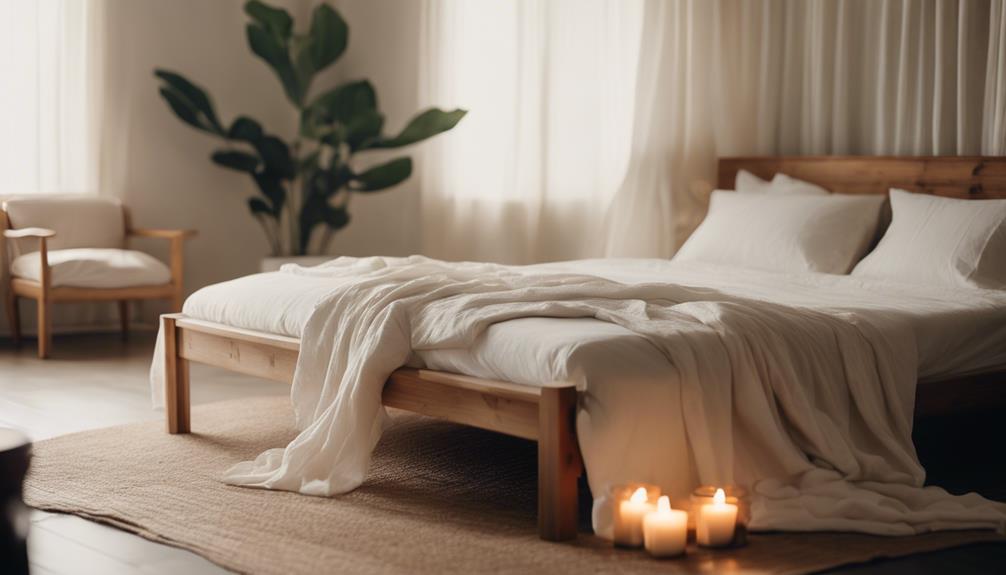
Alongside hydration, maintaining consistent sleep routines can markedly impact your travel experience. Disrupted sleep is a common challenge for frequent travelers, often caused by jet lag, unfamiliar environments, or hectic schedules. Poor sleep quality can increase stress, impair decision-making, and elevate health risks. To keep your sleep patterns stable, establish a bedtime routine even when you’re away from home. This might include dimming the lights, avoiding screens at least 30 minutes before bed, and using sleep aids like eye masks or white noise machines if necessary. Prioritize securing a comfortable sleep environment—choose hotels or accommodations with blackout curtains and good ventilation. If your schedule involves crossing time zones, try adjusting your sleep gradually before departure or after arrival to minimize jet lag. Incorporating healthy sleep habits can also enhance your overall recovery and resilience. Consistent sleep routines not only help you recover faster but also boost your mood, reduce anxiety, and improve your overall resilience while traveling.
Incorporating these habits into your travel routine isn’t always easy, but they make a big difference. Planning ahead by selecting accommodations with good amenities, packing healthy snacks, and staying aware of your hydration levels sets a foundation for wellness. Remember, physical health isn’t just about exercise—it’s also about consistent hydration and sleep. When you stay mindful of these elements, you’ll find yourself more energized, less stressed, and better equipped to handle the unpredictable nature of frequent travel. With a proactive approach, you can maintain your well-being, enjoy your trips more, and return home feeling refreshed rather than drained. Prioritizing travel hydration and sleep routines turns travel from a stressful obligation into an opportunity to practice self-care, no matter how busy your schedule gets.
reusable water bottle with reminder
As an affiliate, we earn on qualifying purchases.
As an affiliate, we earn on qualifying purchases.
Frequently Asked Questions
How Can I Maintain a Healthy Sleep Schedule Across Time Zones?
To maintain a healthy sleep schedule across time zones, you should prioritize jet lag remedies like strategic light exposure and melatonin timing. Optimize your sleep environment by ensuring darkness, cool temperatures, and minimal noise. Adjust your sleep times gradually before traveling, stay hydrated, and avoid alcohol. By aligning your meal and activity schedule with the new time zone, you help your circadian rhythm adapt faster, promoting restful sleep and overall well-being.
What Are the Best Snacks for Long Flights to Boost Energy?
For long flights, choose healthy snacks that serve as effective energy boosters. Pack high-protein options like edamame, jerky, and cheese sticks to keep you full and energized. Incorporate fiber-rich snacks such as roasted chickpeas and trail mix to sustain you. Healthy fats from nut butters, avocado, or nuts also boost energy levels. These snacks help stabilize blood sugar, prevent crashes, and keep you alert throughout your journey.
How Do I Manage Stress During Tight Travel Schedules?
To manage stress during tight travel schedules, practice mindfulness meditation and relaxation techniques like deep breathing or progressive muscle relaxation. Take brief breaks between meetings or flights to focus on your breath, helping you stay centered and reduce anxiety. Staying organized and allowing extra time can also ease pressure. Remember, engaging in calming activities helps you reset mentally, making your travel experience less stressful and more manageable.
Which Exercises Are Effective in Small Hotel Rooms?
In small hotel rooms, bodyweight workouts are your best option for effective exercise. You can do hotel stretches like hamstring and shoulder stretches to loosen up, while exercises like push-ups, squats, lunges, and planks target multiple muscle groups without equipment. Incorporate plyometric moves such as jump squats or mountain climbers for cardio, and use the bed or wall for stability during balance exercises, maximizing your workout in limited space.
How Can I Stay Hydrated Without Relying Solely on Bottled Water?
You can stay hydrated without relying solely on bottled water by using reusable bottles and infusing them with fruits or herbs for added flavor. Carry a portable water filter or use bottles with built-in filters to access safe tap water. Incorporate hydrating foods like watermelon or cucumbers, and opt for electrolyte drinks when needed. These simple steps help you maintain hydration while reducing plastic waste and enjoying tasty, healthy hydration options.
blackout sleep mask for travel
As an affiliate, we earn on qualifying purchases.
As an affiliate, we earn on qualifying purchases.
Conclusion
Remember, your health is your greatest asset, especially on the go. Some believe that frequent travel weakens your immune system, but studies show maintaining healthy habits can actually boost your resilience. By staying active, eating well, and managing stress, you empower yourself to thrive no matter where your journeys take you. Trust in your ability to stay healthy—your body is stronger than you think. Keep these tips in mind, and travel with confidence and vigor.
white noise machine for travel
As an affiliate, we earn on qualifying purchases.
As an affiliate, we earn on qualifying purchases.
healthy travel snacks
As an affiliate, we earn on qualifying purchases.
As an affiliate, we earn on qualifying purchases.