
Vegan and plant-based living go far beyond just what you eat. It’s shaping cultural norms, influencing environmental policies, and reflecting evolving ethical values worldwide. As more people adopt these lifestyles, they help reduce climate change, conserve resources, and promote compassion. This shift isn’t limited to individual choices—it’s transforming societies and industries. If you want to understand how this movement impacts the future of our planet and culture, keep exploring its far-reaching effects.
Key Takeaways
- Vegan and plant-based lifestyles promote environmental sustainability by reducing greenhouse gas emissions and conserving resources beyond dietary choices.
- Cultural traditions and demographic trends influence the adoption and normalization of plant-based living worldwide.
- The growing market reflects shifting consumer values toward health, ethics, and ecological responsibility beyond just food.
- Plant-based living impacts social aspects, including community engagement, ethical considerations, and lifestyle choices.
- Increased awareness of environmental benefits encourages broader lifestyle changes aligned with sustainability and compassion.
Vegan and plant-based living are rapidly gaining popularity worldwide as more people recognize their health, environmental, and ethical benefits. This shift isn’t just about what’s on your plate; it’s about how your choices impact the planet and reflect cultural influences that shape dietary habits across the globe. As awareness grows, so does the understanding that adopting a plant-based lifestyle can substantially reduce climate-heating emissions, water pollution, and land use. For example, plant-based diets can cut greenhouse gases by up to 75% compared to traditional meat-heavy diets, making this a pivotal step toward combating climate change. Furthermore, shifting to vegetarian or vegan diets could decrease agricultural land use by a staggering 75%, freeing up space for natural ecosystems and biodiversity. Market data confirms that global sales of plant-based products reached $6.1 billion in 2022, demonstrating widespread consumer adoption and market growth. Cultural influences play an essential role in shaping these dietary trends. In India, for instance, a large portion of the population—around 31–42%—follows a vegetarian diet, largely driven by religious and cultural traditions. These influences foster a deep-rooted respect for plant-based foods, making the transition more natural for many. Meanwhile, in Western countries like the UK and the US, younger generations such as Gen Z and millennials are more inclined to adopt meat-free diets, driven by ethical concerns, environmental awareness, and health benefits. Nearly half of Americans surveyed in late 2024 plan to increase their plant-based food intake in 2025, and a growing number of UK adults are projecting to follow vegan or vegetarian diets. These cultural shifts are further supported by the global rise in plant-based product offerings, from milk alternatives to plant-based meats, which are increasingly accessible and appealing. The influence of cultural traditions is also evident in regions like Egypt, where nearly half of young adults are highly likely to try plant-based dairy and meats. Despite the variation in adoption rates, the global trend is clear: younger people are leading the charge, motivated by health, environmental sustainability, and ethical considerations. These cultural influences are helping normalize plant-based living, making it more than just a dietary choice—it’s a reflection of evolving values and priorities. As more people embrace plant-based lifestyles, market trends follow suit. The global plant-based protein market is projected to nearly double by 2032, and plant-based milk makes up 16% of all milk sales in the US, with consumption increasing annually. This growing acceptance underscores a broader cultural shift: people worldwide are recognizing that their food choices can help reduce climate impact, preserve natural resources, and align with their values. Understanding environmental benefits and cultural influences behind vegan and plant-based living can help you appreciate how these choices extend beyond personal health to shape a more sustainable and compassionate world.

Silk Shelf-Stable Organic Soy Milk, Unsweetened, Dairy-Free, Vegan, Non-GMO Project Verified,32 Fl Oz(Pack of 6)
ADD ORGANIC SOYMILK TO YOUR PANTRY: Certified organic Soymilk is delicious whether poured over cereal, added to coffee,…
As an affiliate, we earn on qualifying purchases.
As an affiliate, we earn on qualifying purchases.
Frequently Asked Questions
How Does Plant-Based Living Impact Local Economies?
You see that plant-based living boosts local economies by creating new jobs in production and retail, shifting employment patterns. Farmers who switch to plant crops often increase their income while reducing reliance on traditional livestock. As plant-based industries expand, they generate tax revenue and reinvest in communities, attracting residents and revitalizing areas. Overall, your local economy benefits from these job shifts, sustainable practices, and diversified agricultural opportunities.
Are There Cultural Considerations in Adopting a Vegan Lifestyle Globally?
You’ll find that cultural resistance and deeply rooted dietary traditions often challenge adopting a vegan lifestyle globally. While some cultures embrace plant-based foods aligned with spiritual or historical practices, others see animal products as essential to identity and rituals. Steering through these differences requires respect and understanding, recognizing that shifting dietary habits involves balancing cultural values with health, ethics, and environmental concerns, making veganism a complex, nuanced journey worldwide.
What Are the Environmental Benefits Beyond Reducing Greenhouse Gases?
Switching to plant-based diets helps with biodiversity preservation by reducing habitat destruction and land use for animal farming. It also promotes water conservation, as plant agriculture uses considerably less water than livestock farming. By choosing plant-based foods, you decrease chemical runoff and protect ecosystems, supporting healthier biodiversity. Your diet shift directly contributes to preserving natural habitats and conserving essential freshwater resources, making a positive impact on the planet beyond just lowering greenhouse gases.
How Can I Maintain Social Connections While Vegan?
They say “birds of a feather flock together,” and staying connected as a vegan is no different. You can maintain social connections by joining social gatherings like vegan meetups or potlucks, which foster shared experiences. When dining out, practice restaurant etiquette by researching vegan options beforehand or calling ahead. These steps help you nurture friendships, celebrate your lifestyle, and make socializing enjoyable without compromising your values.
What Are the Ethical Implications of Lab-Grown Meat?
You should consider that lab-grown meat impacts animal rights by reducing slaughter but still involves ethical questions about sourcing from donor animals. Corporate responsibility plays a role in ensuring humane practices and transparency. While it lowers environmental harm, some see it as potentially disrespectful to nature. Balancing these factors helps you understand the ethical implications, weighing animal welfare and sustainability against concerns about unnatural production and economic effects.

Gardein Plant-Based Ground Be'f, Vegan, Frozen Meat Alternative, 13.7 oz.
Contains one 13.7-ounce bag of Gardein Vegan Plant-Based Gluten Free Ground Be'f
As an affiliate, we earn on qualifying purchases.
As an affiliate, we earn on qualifying purchases.
Conclusion
Switching to a vegan or plant-based lifestyle is like tending a garden—you nurture small changes that grow into a flourishing, vibrant life. When you choose plant foods, you’re not just feeding yourself; you’re helping the planet and inspiring others to follow suit. Imagine your daily choices as seeds, each one contributing to a healthier, more sustainable world. Every step you take can bloom into a ripple of positive change, transforming the future one meal at a time.

CMNIM Funny Vegan Aprons Vegetarian Apron Vegan Food Cooking Kitchen Apron with Pockets Vegan Chef Apron Vegan Lover Gifts (Vegan Aprons)
MATERIAL This vegan apron is made of high-quality polyester, which is resistant to dirt and abrasion, Thick but…
As an affiliate, we earn on qualifying purchases.
As an affiliate, we earn on qualifying purchases.
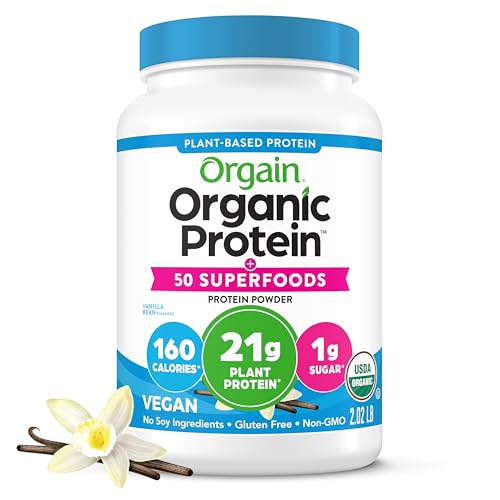
Orgain Organic Vegan Protein + 50 Superfoods Powder, Vanilla Bean – 21g Plant Based Protein, 8g Prebiotic Fiber, No Lactose Ingredients, Gluten Free, No Added Sugar, Non-GMO, 2.02 lb
CLEANER INGREDIENTS: 21g plant protein and 1g sugar per serving. Our protein blend consists of Organic pea, brown…
As an affiliate, we earn on qualifying purchases.
As an affiliate, we earn on qualifying purchases.