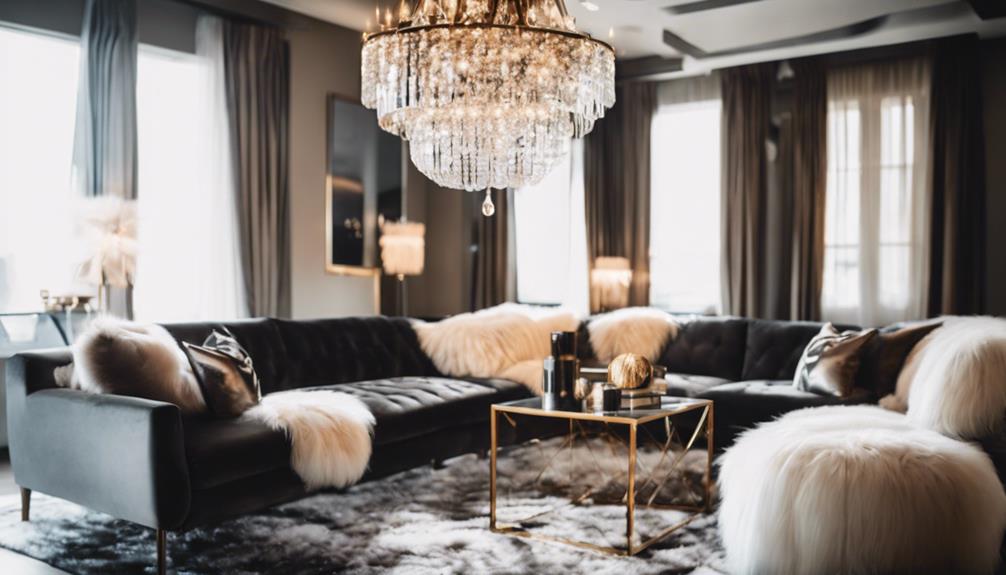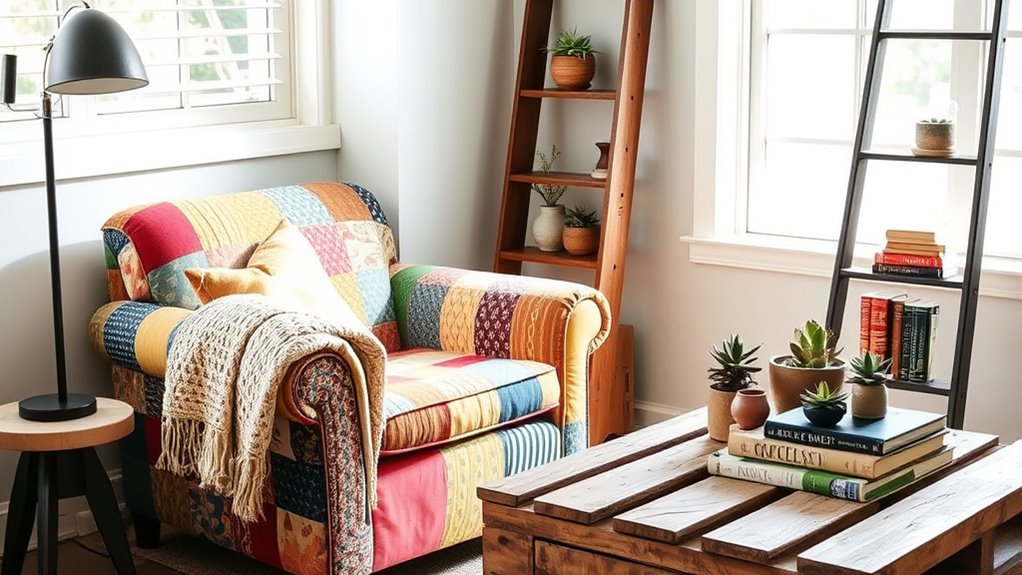

Upcycling and thrifting help you create a stylish, eco-friendly home by reducing waste and conserving resources. By choosing vintage furniture and DIY decor, you support sustainable practices while adding unique charm to your space. These actions cut down on textile waste and limit pollution from manufacturing. Supporting resale markets and reusing materials also boost local economies. Stick around to discover how you can transform your home with creative, resourceful ideas that make a difference.
Key Takeaways
- Upcycling transforms old furniture into unique, stylish decor, extending its lifespan and reducing waste.
- Thrifting offers access to vintage pieces with better quality and storytelling, promoting sustainable consumption.
- Incorporating DIY decor and upcycling minimizes resource use and pollution from manufacturing new home items.
- Supporting second-hand shopping reduces textile waste and cuts the environmental footprint of the fashion industry.
- Combining thrifting, DIY projects, and upcycling fosters eco-friendly, personalized, and cost-effective home styling.
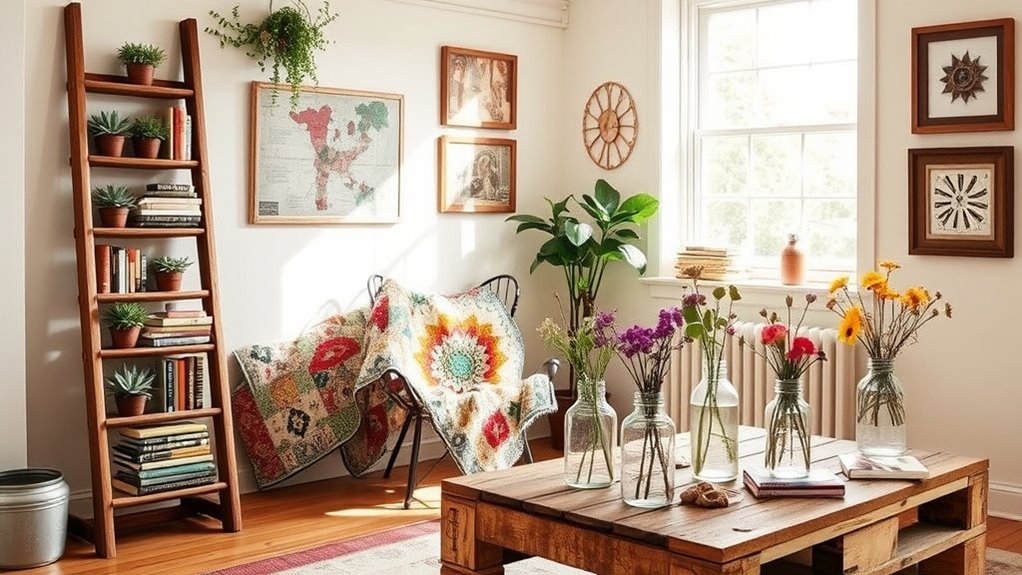
Have you ever wondered how your clothing choices can impact the environment? The same applies to your home decor. Opting for vintage furniture and DIY decor not only adds character to your space but also supports sustainable practices. Thrifting helps reduce the fashion industry’s carbon footprint, which accounts for about 10% of global emissions. By choosing second-hand items, you’re preventing approximately 92 million tons of textile waste from ending up in landfills each year and cutting down on the resources needed for new clothing production. This simple act extends the lifespan of clothes and furniture alike, conserving water, energy, and raw materials, such as cotton and synthetic fibers derived from petroleum.
When you select vintage furniture, you’re embracing a circular economy. These pieces often have a story and quality that surpasses fast fashion or cheaply made new items. Upcycling, or creatively transforming old items into new decor, amplifies this benefit. For example, you might repaint an old dresser or reupholster a vintage armchair, giving it a fresh look while keeping it out of the waste stream. DIY decor projects allow you to personalize your space while minimizing waste. Reusing and upcycling materials reduce reliance on new resources, like water-intensive cotton or pesticide-laden fabrics, and limit the pollution caused by dyeing and manufacturing processes.
However, thrifting isn’t without challenges. Only about 10-30% of donated clothes are reused, with the rest often ending up in salvage markets or landfills. Many fast fashion items have short lifespans and low resale value, and textile recycling infrastructure remains limited. Despite these hurdles, your choice to buy second-hand helps divert clothing waste from landfills, where over 10 million tons are disposed of annually in the U.S. alone. It also helps mitigate the future environmental impact of the fashion industry, projected to increase emissions by 50-60% by 2030. Supporting thrift stores and engaging in upcycling can also contribute to reducing the environmental footprint of the clothing industry.
Supporting thrift stores and engaging in upcycling also boosts local economies by creating jobs in resale, repair, and creative industries. It encourages mindful consumption and reduces the urge for fast fashion, which often leads to excessive waste and pollution. When you combine thrifting with DIY decor and upcycling, you’re not just decorating your home — you’re making a statement. You’re helping to conserve resources, reduce waste, and promote a sustainable lifestyle that values quality and longevity over quantity. This approach fosters a more regenerative, eco-friendly way to craft a stylish and meaningful home.

MAKING UPCYCLED FURNITURE FOR BEGINNERS: A Comprehensive Guide To Creative Upcycling Techniques, Sustainable Furniture Design, Diy Projects, And Eco-Friendly Home Decor Ideas
As an affiliate, we earn on qualifying purchases.
As an affiliate, we earn on qualifying purchases.
Frequently Asked Questions
How Do I Ensure Upcycled Furniture Is Safe and Durable?
To guarantee your upcycled furniture is safe and durable, start with safety precautions like inspecting for lead paint, asbestos, and outdated chemicals. Thoroughly clean and sand surfaces before refinishing, and use fire-safe fabrics. Conduct durability testing by checking structural integrity and ensuring all repairs meet safety standards. Always ventilate your workspace and wear protective gear during work. Properly sealing surfaces and choosing quality materials help your furniture last longer and stay safe for use.
What Are the Best Tools for Beginner Upcyclers?
The best tools for beginner upcyclers include a cordless drill, sander, and jigsaw, which help you master DIY techniques and make projects easier. These tools allow you to cut, smooth, and assemble materials efficiently. When choosing paint, opt for low-VOC or eco-friendly options to guarantee safety and durability. Start with basic tools, practice your skills, and experiment with different DIY techniques and paint selection to create unique, lasting pieces.
How Can I Find Local Thrift Stores With Unique Items?
Imagine uncovering vintage jewelry and artisan pottery hidden among clutter—your treasure hunt begins at local thrift stores. Use online maps, social media groups, and community events to discover these gems. Talk to store staff for tips on new arrivals, and visit during off-peak hours for fresh finds. Leverage local networks and word-of-mouth to unearth hidden shops, turning thrifting into an adventure of discovering one-of-a-kind, timeless pieces.
What Are Eco-Friendly Finishes for Upcycled Furniture?
You can choose eco-friendly paints and natural sealants to finish your upcycled furniture. Look for water-based, low-VOC paints that offer vibrant colors and quick drying. For protection, natural sealants like mineral or plant-based options provide moisture resistance without harmful chemicals. These finishes keep your furniture safe for indoor air quality, enhance durability, and support sustainability, making your upcycling projects both beautiful and environmentally responsible.
How Do I Price Thrifted or Upcycled Home Decor Items?
To price thrifted or upcycled home decor, start with your market value research by comparing similar items online and locally. Use pricing strategies like cost-plus or tiered pricing based on condition, uniqueness, and craftsmanship. Consider the labor, materials, and current trends to set a fair price. Be flexible, test different prices, and transparently communicate the value of your upcycling process to attract buyers and maximize profitability.

HYBEADS DIY Suncatchers, 400 pcs Sun Catchers Making Supplies Kit Art and Crafts for Adults Prism Hanging Decorative Suncatcher with Crystals Rainbow Maker for Indoor Windows Office Home Decor
DIY Suncatcher Making Kits: You will get 400pcs accessories in our suncatchers crafts kits, as shown in the…
As an affiliate, we earn on qualifying purchases.
As an affiliate, we earn on qualifying purchases.
Conclusion
By choosing upcycling and thrifting, you breathe new life into old treasures, transforming your home into a canvas of creativity and sustainability. Each piece you rescue becomes a brushstroke in a masterpiece of mindful living, proving that style doesn’t have to come at the planet’s expense. Embrace these habits, and watch as your space blossoms with character and purpose—proof that sustainable choices are the seeds of a more beautiful, balanced world.
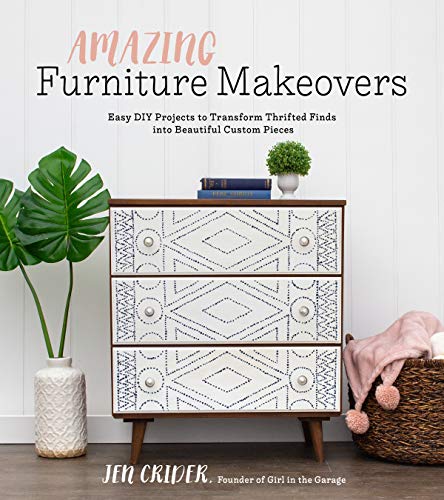
Amazing Furniture Makeovers: Easy DIY Projects to Transform Thrifted Finds into Beautiful Custom Pieces
As an affiliate, we earn on qualifying purchases.
As an affiliate, we earn on qualifying purchases.

GDFStudio 310255 End Table, Distressed Paint
RECYCLED WOOD: Made with recycled wood, this eco-friendly creates a gorgeous one-of-a-kind look for your home; The front…
As an affiliate, we earn on qualifying purchases.
As an affiliate, we earn on qualifying purchases.