When choosing a red light therapy panel, focus on key specs like wavelength, light intensity, and coverage area. Wavelengths of 630-670 nm enhance skin rejuvenation, while 810-880 nm penetrate deeper for pain relief. Higher intensity and irradiance deliver faster results but require careful use to avoid discomfort. Proper device size and safety features ensure effective, targeted therapy. If you’d like to understand how these specs work together, keep exploring the details below.
Key Takeaways
- Understand wavelength ranges (630-670 nm vs. 810-880 nm) to target skin rejuvenation or deeper tissue therapy.
- Match light intensity and irradiance levels to treatment goals, balancing effectiveness and safety.
- Consider light penetration depth and device placement for optimal tissue targeting and results.
- Evaluate safety features and coverage area to ensure appropriate device size and session safety.
- Use spec sheet details to select devices aligned with specific treatment objectives and practical needs.

Red light therapy panels have gained popularity as a non-invasive way to boost skin health, reduce inflammation, and enhance overall well-being. When you’re looking at the spec sheet, understanding what each feature means can be overwhelming. Let’s break down the key elements to help you choose the right panel for your needs, especially if you’re interested in skin rejuvenation and pain relief. First, pay attention to the wavelength of the light. For skin rejuvenation, wavelengths in the range of 630-670 nanometers are most effective because they penetrate the skin’s surface and stimulate collagen production, leading to a more youthful appearance. For pain relief, longer wavelengths, around 810-880 nanometers, penetrate deeper into tissues, helping reduce inflammation and alleviate discomfort. Knowing these specifics helps you select a panel that targets your particular goals.
Next, consider the light intensity, often measured in milliwatts per square centimeter (mW/cm²). Higher intensity panels deliver more power, which means shorter treatment times and potentially better results. If your focus is on skin rejuvenation, you might prefer a panel with a balanced intensity to promote collagen without risking overstimulation. For pain relief, higher intensity can accelerate healing, but it’s vital to use it properly to avoid skin irritation or discomfort. The irradiance level tells you how much light energy reaches your skin, so a higher irradiance generally indicates a more potent device. Additionally, understanding light penetration helps ensure that the device you select effectively reaches the targeted tissues and provides the desired benefits. Recognizing the importance of proper device placement can also optimize treatment outcomes and safety. Proper understanding of how light interacts with tissue can further enhance the effectiveness of your therapy sessions. Furthermore, considering the safety features included can help prevent potential adverse effects during use.
Another important factor is the treatment area size. Larger panels cover more skin in less time, making them ideal if you want whole-body benefits or have multiple areas to treat. Smaller panels are more portable and suited for targeted therapy but may require longer sessions. When reading the spec sheet, check the coverage area per session, and think about how often you plan to use it. Understanding light penetration is crucial for maximizing safety and effectiveness in your treatments. Consistency is key for skin rejuvenation and pain relief, so choosing a panel that fits your schedule and space makes your routine more sustainable.
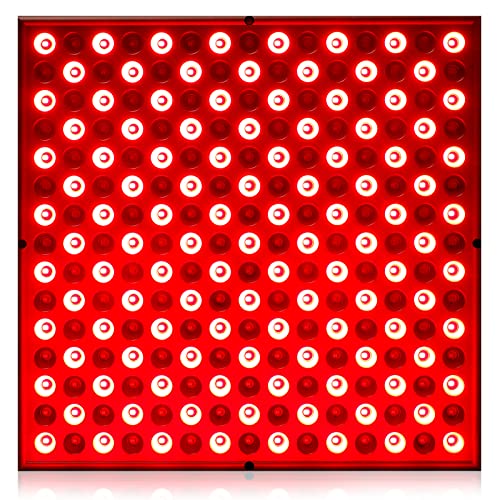
LED-Red-Light-Therapy-Device – 45W LED Panel Deep 660nm and Near-Infrared 850nm Light Combo for Skin Beauty, Pain Relief of Muscles and Joints
- Optimal Wavelengths for Rejuvenation: 660nm deep red and 850nm near-infrared
- Enhances Skin Repair and Appearance: Stimulates cell repair and improves skin health
- Deep Penetration for Effective Results: Penetrates deep into skin for better efficacy
As an affiliate, we earn on qualifying purchases.
As an affiliate, we earn on qualifying purchases.
Frequently Asked Questions
How Long Does a Typical Red Light Therapy Session Last?
A typical red light therapy session lasts about 10 to 20 minutes, depending on your treatment goals and the device’s specifications. You usually perform sessions 3 to 5 times per week initially, then taper to maintenance frequency. Treatment duration can vary based on the area being targeted and individual response. It’s crucial to follow your provider’s guidance for maximum session length and frequency to achieve the best results.
Are Red Light Therapy Panels Safe for All Skin Types?
You’re in the clear—red light therapy panels are generally safe for all skin types, but keep in mind that skin sensitivity varies. It’s a good idea to start with shorter sessions and observe how your skin reacts. Devices are designed with safety in mind, but if you have sensitive skin or skin conditions, consult a dermatologist first. Think of it as a cautious leap rather than a leap of faith.
Can Red Light Therapy Help With Specific Skin Conditions?
Yes, red light therapy can help with specific skin conditions like skin rejuvenation and acne treatment. You’ll likely see improved skin texture, reduced inflammation, and a boost in collagen production, which promotes a more youthful appearance. For acne, it targets bacteria and soothes inflammation. Using a red light therapy panel regularly can enhance your skin’s health and appearance, making it a natural, non-invasive option for these concerns.
What Is the Average Lifespan of a Red Light Therapy Panel?
Think of your red light therapy panel as a trusted old friend, shining brightly through the years. On average, its lifespan ranges from 50,000 to 100,000 hours of effective use. To guarantee its product durability, follow simple maintenance tips like keeping it clean and avoiding excessive moisture. With proper care, your panel can serve you well, illuminating your wellness journey for many years to come.
Is There Any Scientific Evidence Supporting Red Light Therapy Efficacy?
You’ll find some scientific evidence supporting red light therapy’s efficacy, but there are historical controversies and ethical considerations to keep in mind. While studies suggest benefits like pain relief and skin improvement, ongoing debates question its long-term safety and the quality of research. It’s important to stay informed, consult healthcare professionals, and critically evaluate the evidence, especially given the lingering skepticism and ethical concerns surrounding this emerging treatment.
Conclusion
Now that you’ve uncovered the nuances of red light therapy panels, you’re better equipped to make a choice that gently aligns with your wellness journey. Think of it as tuning into a quiet, guiding whisper—subtle yet impactful. With understanding woven into each spec, you can navigate confidently, embracing the subtle art of healing. Let this knowledge be your steady compass, softly steering you toward renewed energy and well-being, with a gentle assurance that you’re making a thoughtful decision.