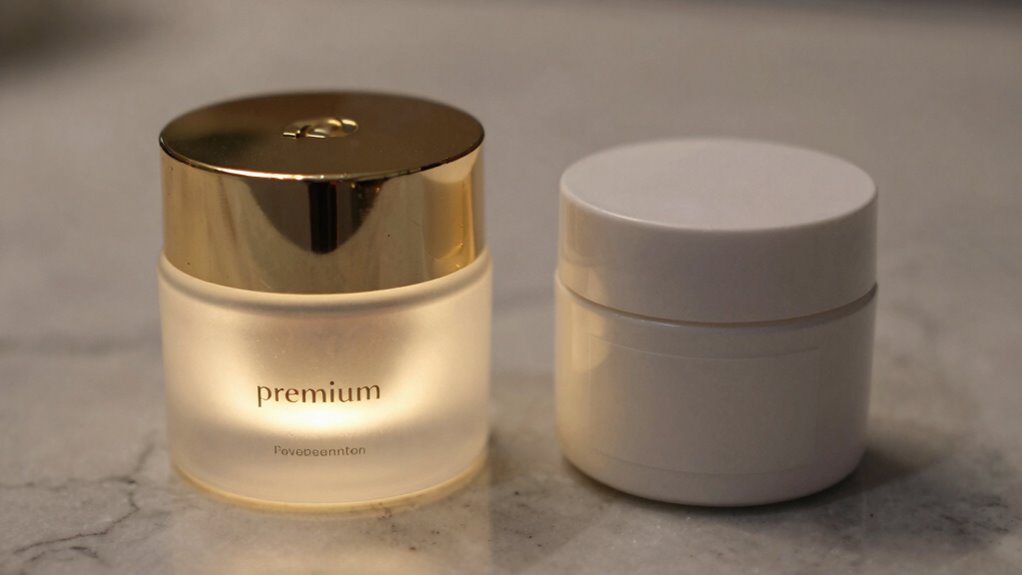

To spot if a ‘premium’ product is just better marketing, look past the marketing claims and evaluate the actual features and materials. High prices aren’t always a sign of better quality, so compare core components and check for tangible benefits like durability or sustainable practices. Be skeptical of minor upgrades like packaging or branding. If you’re unsure, exploring deeper will reveal how to identify true value versus marketing hype.
Listen free for 30 days with Audible
Thousands of audiobooks and originals — cancel anytime.
As an affiliate, we earn on qualifying purchases.
Key Takeaways
- Compare core features and materials; minimal differences suggest marketing hype rather than genuine quality.
- Check unbiased reviews and third-party tests for real product performance insights.
- Beware of significant price differences without corresponding functional improvements.
- Assess whether premium branding offers tangible benefits or just luxury status.
- Focus on your actual needs and needs-based features rather than marketing claims or labels.

When you see a product labeled as “premium,” it’s easy to assume it’s worth the higher price tag. But that’s not always the case. Many brands leverage the idea of premium quality to boost their perceived value, even if the actual product doesn’t deliver significantly better performance or durability. To tell if a premium product is genuinely better or just riding on marketing hype, you need to look beyond the label.
Start by examining the brand perception. A brand’s reputation can shape your expectations, but it doesn’t guarantee quality. Some companies spend heavily on advertising and packaging to create an aura of exclusivity, which influences how consumers view their products. If the brand’s image is built on sleek visuals, celebrity endorsements, or a luxurious story, it might be more about marketing than substance. Look for independent reviews, real customer feedback, and third-party tests. These sources often reveal whether the product’s performance matches its premium price or if it’s just riding on a polished image.
Brand reputation can influence expectations but doesn’t guarantee quality—seek independent reviews and real feedback for true value.
Price inflation is another key indicator. Premium products often cost significantly more than their standard counterparts, but higher prices don’t always mean better quality. In many cases, brands inflate prices to create a sense of exclusivity or to cover marketing expenses. Ask yourself if the price difference is justified by tangible benefits—better materials, longer durability, or enhanced features. If the added cost doesn’t translate into noticeable improvements, it’s likely a case of price inflation driven more by marketing than actual value.
Additionally, pay attention to the product’s features and specifications. Sometimes, “premium” versions include only minor upgrades over basic models—like fancier packaging or limited-edition branding—without substantial functional improvements. If the core components or materials are similar to cheaper alternatives, then the label “premium” might just be a marketing ploy. Recognizing how biodiversity and sustainable practices influence product quality can also help, as companies committed to sustainability often provide more transparent and ethically sourced options.
Finally, consider your own needs and expectations. A product marketed as premium might appeal to your desire for status or luxury, but that doesn’t mean it’s the best choice for your specific needs. Sometimes, a well-made, less expensive option will do the job just as well. Don’t be swayed solely by the label or the price tag. Instead, do your research, compare features objectively, and decide if the premium branding is backed by real benefits or just clever marketing.
As an affiliate, we earn on qualifying purchases.
Frequently Asked Questions
Can Branding Alone Justify a Higher Price?
Branding alone can sometimes justify a higher price if it reflects a strong reputation for quality, exclusivity, and customer trust. When a brand’s reputation sustains consistent value, customers are often willing to accept price inflation. However, if the premium is solely due to marketing hype without real differences in product quality, the higher price isn’t justified. Always evaluate if the brand’s reputation matches the actual product benefits before paying extra.
How Can I Spot Fake Luxury Labels?
To spot fake luxury labels, focus on counterfeit identification and label authenticity. Examine the stitching, font, and logo placement closely—counterfeit items often have irregularities. Check for misspellings or inconsistent branding details. Feel the material; genuine products use high-quality fabrics, whereas fakes tend to feel cheaper. Research the brand’s specific markings or serial numbers, and compare them to official sources. If something feels off, trust your instincts and verify before purchasing.
Do Premium Products Always Last Longer?
Premium products often last longer, but it’s not a guarantee. Think of product durability like a fortress—you want it built with quality materials and craftsmanship. A strong brand reputation usually signals better durability, but don’t assume all high-priced items are invincible. Check reviews, materials, and warranties to truly gauge if the product’s longevity matches its premium label. Remember, even the best can sometimes fall short.
Is Expensive Always Better in Quality?
Expensive doesn’t always mean better quality, as price perception can be misleading. Consumers often assume higher prices guarantee superior products, but skepticism is healthy. You should evaluate the actual features, materials, and reviews rather than relying solely on cost. Sometimes, premium pricing is just a marketing tactic. To truly assess quality, do your research, compare options, and consider whether the higher price adds real value or just boosts brand image.
How Do Marketing Tactics Influence Perceived Value?
Marketing tactics like psychological pricing and emotional branding heavily influence perceived value. You might see prices ending in .99 or experience branding that evokes strong emotions, making products seem more valuable. These strategies tap into your psychology, shaping your perceptions and desires. By understanding this, you can better differentiate genuine quality from marketing tricks, ensuring you make informed choices rather than just falling for clever advertising.
Conclusion
Ultimately, spotting a genuinely premium product from clever marketing isn’t always easy. For example, you might notice a luxury coffee brand touting rare beans, but when you taste it, the flavor isn’t markedly different from less expensive options. Always dig deeper—read reviews, compare ingredients, and trust your senses. If it sounds too good to be true, it probably is. By staying vigilant, you guarantee your money goes toward real quality, not just shiny packaging.
Evergreen bestsellers Picks
bestsellers
As an affiliate, we earn on qualifying purchases.