Modular and hybrid lighting solutions give you flexible, energy-efficient options for every room. They let you combine ambient, task, and accent lights to create the perfect mood. Smart controls allow remote adjustments, automation, and scene setting, making it easy to save energy and enhance convenience. Whether you want a cozy bedroom or a functional kitchen, these systems adapt to your needs. Keep exploring to discover how to optimize your home lighting with these innovative solutions.
Key Takeaways
- Modular lighting systems allow customization with interchangeable fixtures for ambient, task, and accent layers in each room.
- Hybrid solutions combine fixed fixtures with smart, adaptable lighting controls for flexibility and energy efficiency.
- Smart controls enable remote adjustment, scene setting, and automation tailored to different room functions and moods.
- Using adjustable LED fixtures and layered lighting enhances ambiance, visibility, and personalization across living, kitchen, and bedroom spaces.
- Energy-saving features like scheduling, dimming, and occupancy sensors optimize power use in modular and hybrid lighting setups.

Ever wondered how the right lighting can transform each room in your home? Modular and hybrid lighting solutions make this possible by giving you flexibility, control, and efficiency. By combining different lighting layers—ambient, task, and accent—you create dynamic environments suited for any activity or mood. Today’s smart controls play an essential role in this process, allowing you to adjust lighting remotely or automate settings based on your routines. These features not only enhance convenience but also promote energy efficiency by reducing unnecessary power consumption. When you integrate smart controls, you can set schedules, dim lights, or switch scenes with a tap on your smartphone or via voice commands, guaranteeing your home’s lighting adapts seamlessly to your lifestyle.
Smart lighting controls offer flexibility, energy savings, and effortless scene adjustments for every room.
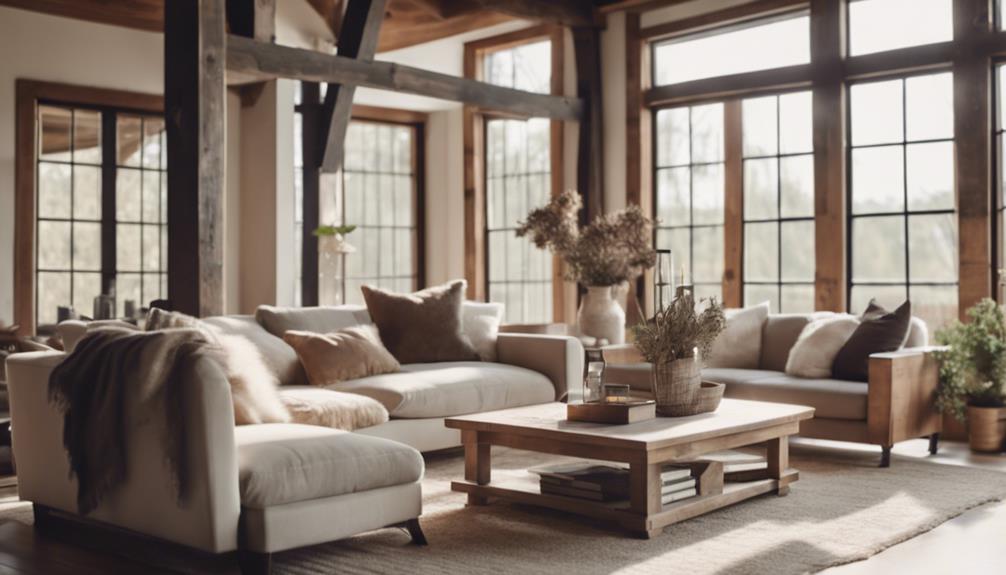
In living rooms, layering lighting is fundamental. You might have ceiling fixtures or chandeliers as your ambient source, providing even, general illumination. Task lighting, like floor lamps or reading lights, focuses on specific activities, while accent lights highlight artwork or architectural details. Using dimmers and portable lights gives you the flexibility to create different moods—cozy, vibrant, or subdued—without changing fixtures. Smart controls let you adjust these layers effortlessly, saving energy by dimming or turning off lights when not needed. For example, you might set your living room to a warm, inviting glow during movie nights or switch to brighter lighting for social gatherings—all controlled with a few taps.
In the kitchen, bright, even lighting is essential for safety and efficiency. Overhead fixtures and recessed lights provide general illumination, while under-cabinet lights and pendant fixtures focus on food prep areas. Accent lighting, like interior cabinet LEDs, adds visual interest and depth. Incorporating smart controls here helps you switch between task-focused brightness and softer lighting for casual meals. Energy efficiency is a priority; LED fixtures with high lumen output and adjustable color temperatures (around 3500K to 4000K) guarantee optimal visibility without wasting power. Dimmer switches allow for flexible lighting levels, conserving energy during non-peak times or when full brightness isn’t necessary. An additional benefit of smart lighting is its ability to monitor energy usage, helping homeowners identify and reduce waste.
In bedrooms, creating a relaxing atmosphere involves layered lighting with warm color temperatures, typically between 2700K and 3000K. Overhead fixtures set the tone, while bedside lamps and wall-mounted reading lights provide targeted illumination. Accent lighting, such as LED strips or wall sconces, adds ambiance and highlights personal touches. Smart controls enable you to tailor lighting scenes for rest or wake-up routines, promoting energy savings and comfort. Dimmable options support a calm environment, and motion sensors can turn off lights automatically when the room is unoccupied, further enhancing energy efficiency.
Frequently Asked Questions
Are Modular Lights Suitable for Outdoor Use?
Yes, modular lights are suitable for outdoor use because they offer excellent outdoor durability and weather resistance. You can customize and upgrade the components to withstand harsh weather conditions like rain, snow, and extreme temperatures. Their modular design makes installation flexible, and you can easily replace parts when needed. Plus, many modular outdoor lights incorporate sensors for energy efficiency, ensuring your outdoor space remains well-lit and protected over time.
Can Hybrid Lighting Systems Be Integrated With Smart Home Technology?
Yes, hybrid lighting systems can be integrated with smart home technology. They offer excellent automation compatibility, allowing you to connect with platforms like Amazon Alexa, Google Assistant, and Apple HomeKit. This integration enables voice control, app management, and automation routines. You can set schedules, trigger lighting scenes based on sensors, and control lights remotely, making your home more convenient, energy-efficient, and seamlessly connected with your existing smart home ecosystem.
What Are the Cost Differences Between Modular and Traditional Lighting?
You’ll find that modular lighting systems have higher initial installation costs compared to traditional lighting, but they offer significant energy savings over time. Modular LED units cost more upfront but consume less power, reducing your energy bills. Plus, their easier installation can cut labor costs, and their longer lifespan means fewer replacements. Overall, while the initial investment is higher, the long-term savings and efficiency make modular lighting a cost-effective choice.
How Durable Are Modular Lighting Components Over Time?
You’ll find modular lighting components remarkably durable over time. Through rigorous durability testing, manufacturers ensure they withstand daily wear, while quality materials like aluminum and glass guarantee long-term performance. These components resist thermal stress and environmental factors, maintaining their integrity for years. Their material longevity means you can count on reliable lighting, easy maintenance, and upgradeability, all contributing to an extended lifespan that keeps your space well-lit and efficient for decades.
Do Hybrid Solutions Require Professional Installation?
Hybrid solutions generally require professional installation because DIY setup can risk safety and code compliance. These systems involve complex wiring, control integration, and outdoor or commercial components that demand technical expertise. A certified electrician ensures proper installation, adheres to electrical codes, and prevents hazards. While some basic configurations might be manageable DIY, most hybrid lighting systems benefit from professional installation to guarantee safety, durability, and maximum performance.
Conclusion
No matter which room you’re designing, modular and hybrid lighting give you endless flexibility and style. They combine the simplicity of classic fixtures with innovative technology, blending comfort with efficiency. Just like a well-choreographed dance, these solutions balance form and function, transforming your space from ordinary to extraordinary. So, embrace the versatility and let your lighting reflect your personality—because in the end, lighting isn’t just about illumination; it’s about creating a mood and making every room truly yours.