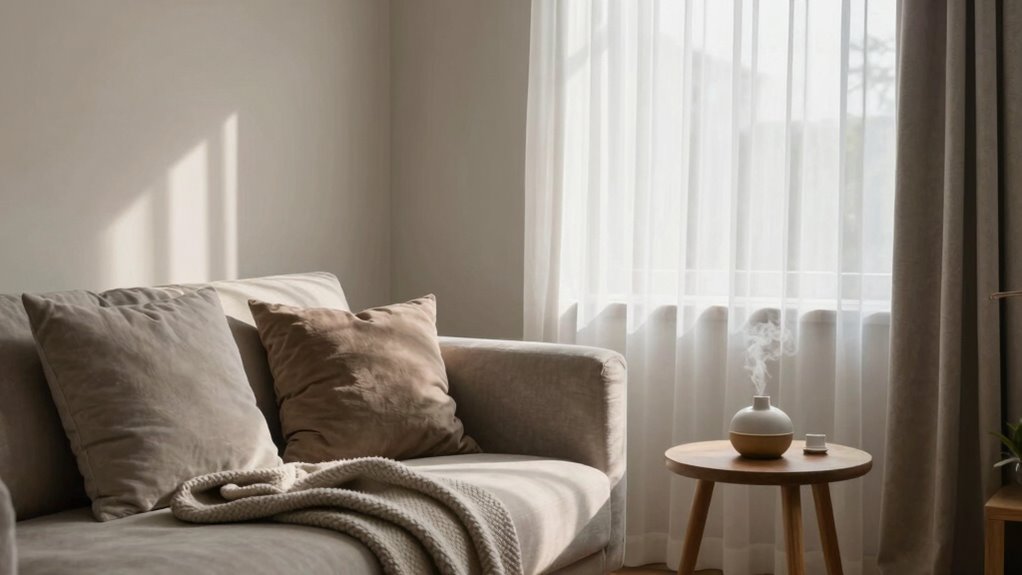

People build low-stimulation spaces at home to prioritize their mental health and find calm amid everyday chaos. These spaces help you manage sensory overload, reduce stress, and boost emotional resilience. By creating a sanctuary with soothing colors, comfortable furniture, and sensory-friendly items, you give yourself a safe spot to relax and recharge. If you keep exploring, you’ll discover how to design and maintain these calming environments effectively.

Get the latest gadgets delivered free with Prime
- Fast, free delivery on millions of items
- Prime Video, Amazon Music and more included
- Member-only deals all year
Key Takeaways
- To create a calming retreat that reduces stress, anxiety, and sensory overload at home.
- To support mental health and emotional resilience through dedicated self-care spaces.
- To provide a safe environment for mindfulness, relaxation, and sensory regulation.
- To manage sensory sensitivities and promote emotional well-being.
- To reinforce self-awareness and proactive mental health practices regularly.
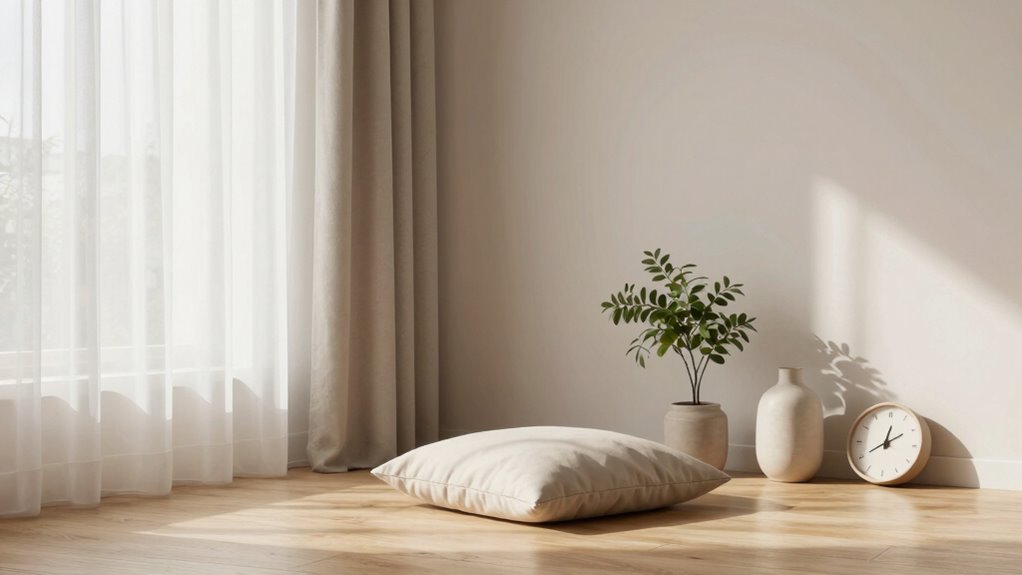
Creating low-stimulation spaces at home can markedly improve your mental well-being, especially when you need a break from sensory overload. In today’s fast-paced world, many people experience overwhelming sensory input—from noisy environments to bright screens—that can leave you feeling drained and anxious. Building a dedicated low-stimulation area offers a sanctuary where you can reset, recharge, and find calm amidst chaos. These spaces serve as a refuge to manage sensory overload, which can profoundly impact your mental health by reducing stress, anxiety, and feelings of overwhelm.
Creating a quiet space at home helps reduce stress and soothe overwhelmed senses.
When you design a low-stimulation space, you focus on creating a calming environment that minimizes external stimuli. You might choose soft, muted colors for the walls and furnishings, avoiding bright or busy patterns that can overstimulate your senses. Comfortable seating, like a cozy chair or a bean bag, invites you to relax and unwind. You could also incorporate sensory-friendly items, such as weighted blankets, soft lighting, or noise-canceling headphones, to further limit sensory input. The goal is to craft an area that feels safe and soothing, where you’re not bombarded by sounds, sights, or tactile sensations that could trigger sensory overload. Incorporating sensory regulation techniques can further enhance the effectiveness of your space.
Having a dedicated space at home helps you recognize the importance of mental health and take proactive steps to nurture it. You may find that stepping into this low-stimulation zone allows you to slow down your thoughts and regain clarity. It’s especially helpful if you’re prone to anxiety or sensory sensitivities, as these conditions can be worsened by overstimulating environments. By intentionally creating a calm corner, you give yourself a tool to manage stress levels more effectively, which in turn supports your overall mental health. Recognizing the value of mental health awareness encourages you to prioritize your well-being and create environments that support emotional resilience. Additionally, understanding the role of sensory overload in mental health can help you better tailor your space to your needs and incorporate appropriate coping strategies.
Furthermore, these spaces can foster mindfulness and self-awareness. When you spend time in a low-stimulation environment, you learn to tune into your body and mind, noticing when you’re becoming overwhelmed. This awareness empowers you to take action before stress escalates. Creating a dedicated low-stimulation space can also serve as a form of self-care, reinforcing the importance of nurturing your mental health regularly. Over time, your low-stimulation space becomes a crucial part of your mental health routine, giving you a reliable retreat to decompress. In a world full of distractions and sensory demands, carving out this peaceful corner at home is a simple yet powerful way to prioritize your well-being and maintain balance amidst daily pressures.
weighted blanket for sensory overload
As an affiliate, we earn on qualifying purchases.
As an affiliate, we earn on qualifying purchases.
Frequently Asked Questions
How Do Low-Stimulation Spaces Affect Mental Health Long-Term?
Building low-stimulation spaces helps improve your long-term mental health by reducing sensory overload, which can cause stress and anxiety. These spaces give you a retreat to reset and calm your mind. Over time, they strengthen your emotional resilience, making it easier to handle daily stressors. By creating a peaceful environment, you promote better mental clarity and emotional stability, supporting overall well-being in the long run.
What Materials Are Best for Creating a Calming Environment?
Think of your space as a sanctuary — choose materials that whisper calm. Use decorative lighting with soft, warm hues to gently soothe your senses. Incorporate soft textiles like plush throws and cushions to create a cozy haven. These materials work together, transforming your environment into a peaceful retreat that calms your mind and nurtures your well-being, making everyday moments feel like a gentle embrace.
Can Children Benefit From Low-Stimulation Spaces at Home?
Yes, children can benefit from low-stimulation spaces at home. These spaces help reduce sensory overload caused by environmental noise and overwhelming stimuli. When kids retreat to a calm area, they can relax, refocus, and regulate their emotions more effectively. Creating a quiet, cozy environment gives children a safe haven to unwind, especially during busy or stressful times, supporting their emotional and sensory needs.
How Do I Personalize My Low-Stimulation Space?
Imagine soft, warm lighting options gently illuminating your space, creating a calm atmosphere. You personalize your low-stimulation space by choosing furniture choices that feel comfortable and soothing, like plush cushions or simple wooden pieces. Add personal touches such as calming colors or meaningful objects. This way, your space becomes a true reflection of your needs, inviting relaxation and peace every time you step inside.
Are There Any Risks Associated With Minimal Sensory Input?
Yes, there are risks with minimal sensory input, like sensory deprivation, which can cause disorientation or anxiety if you spend too long in such spaces. Overstimulation risks also exist if you suddenly reintroduce sensory input after a period of deprivation. To stay safe, limit your sessions and gradually adjust your environment. Always listen to your body and consult a professional if you experience discomfort or unusual symptoms.
Conclusion
As you create a low-stimulation space at home, you might find yourself unexpectedly calmer, especially on hectic days. It’s funny how a quiet corner can become your refuge just when you need it most. Sometimes, the simplest design choices—like soft lighting or cozy textures—align perfectly with your need for peace. In the end, building this space isn’t just about comfort; it’s about discovering moments of calm right where you least expect them.
Fall Picks
fall essentials
As an affiliate, we earn on qualifying purchases.