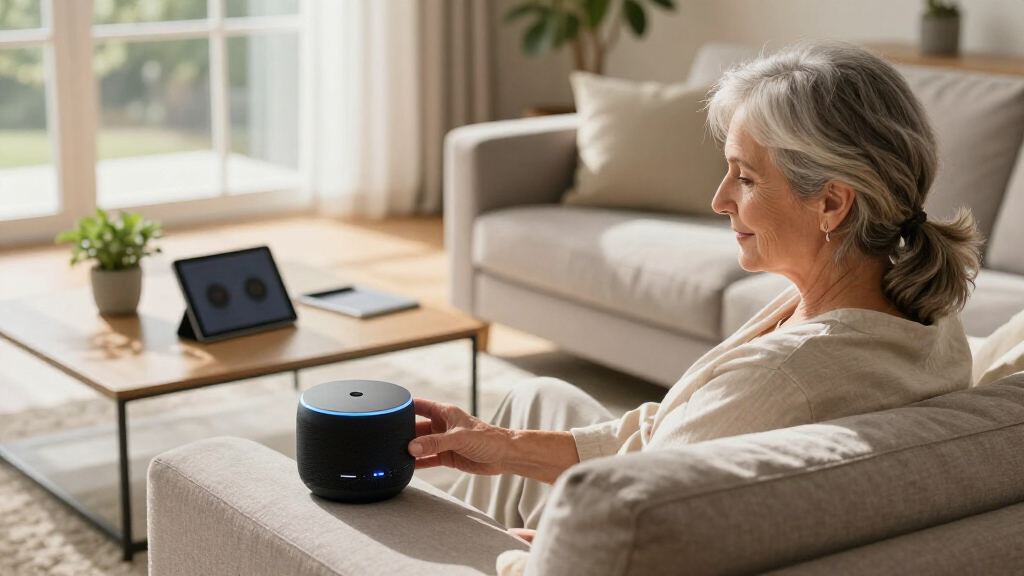

🔍 Read the full analysis: How Older Adults Can Benefit From Using AI Every Day on ThorstenMeyerAI.com

Get the latest gadgets delivered free with Prime
- Fast, free delivery on millions of items
- Prime Video, Amazon Music and more included
- Member-only deals all year
TL;DR
OpenAI published guidance encouraging older adults to use AI assistants daily for health, communication, and independence. While specific features remain unconfirmed, the initiative highlights AI’s potential to support seniors.
OpenAI has published a guidance document titled “Helping older adults use AI in everyday life,” emphasizing how AI assistants can be practical tools for seniors. The initiative aims to promote the adoption of AI by older adults, a demographic that has historically faced barriers to technology use, and highlights potential benefits such as health management, staying connected, and maintaining independence.
The publication underscores that people over 65 are among the fastest-growing online user groups, yet they are often underserved by mainstream AI-designed solutions. OpenAI suggests that conversational AI, like ChatGPT, can serve as accessible interfaces that help seniors with daily tasks, including managing medications, communicating with family, and navigating bureaucratic processes.
While the full content of the guidance was not publicly available for independent verification, OpenAI’s move signals a targeted effort to make AI tools more inclusive for older adults. The company emphasizes the importance of designing AI that accommodates mobility, vision, and memory challenges, which are common among seniors.
Impact of AI Guidance on Senior Technology Adoption
This initiative could influence how AI tools are integrated into daily life for older adults, potentially reducing social isolation and supporting independence. However, it also raises concerns about digital safety, as seniors are more vulnerable to online scams and AI-generated fraud. The guidance’s success depends on effective implementation, safety measures, and actual adoption rates, which are still uncertain.As an affiliate, we earn on qualifying purchases.
Growing Use of AI Among Older Adults and Design Shifts
Since the launch of ChatGPT in late 2022, AI usage among people over 50 has steadily increased, especially for health inquiries, writing assistance, and online searches. Historically, technology companies targeted seniors with simplified devices, but recent trends favor natural language conversation as an intuitive interface, making AI more accessible.
OpenAI’s focus on audience-specific guidance aligns with broader industry efforts to include older users, who represent a rapidly expanding segment of digital consumers. However, concrete features, safety protocols, or targeted programs have yet to be publicly detailed.
Unconfirmed Details About Specific Features and Safety Measures
It remains unclear whether OpenAI’s guidance includes specific safety protocols, caregiver controls, or dedicated product features for seniors. No official data on adoption targets, partnerships, or research outcomes has been released, and the full guidance document has not been independently verified.Monitoring AI Feature Development and Safety Protocols for Seniors
Expect technology companies to develop age-specific AI features, such as voice-first interfaces, memory aids, and family account management tools. Regulatory agencies may also scrutinize AI safety for vulnerable users, prompting further research into health and social outcomes. OpenAI and others are likely to release more detailed programs and safety guidelines in the coming months.
Key Questions
How can AI help older adults stay independent?
AI can assist with medication reminders, help manage schedules, facilitate communication with family, and provide companionship, all of which support independence and social connection.
Are there safety concerns with AI use among seniors?
Yes, seniors are vulnerable to scams and AI-generated fraud. Safety protocols, caregiver controls, and digital literacy efforts are critical to mitigate these risks.
Will there be dedicated AI products for seniors?
Specific features and products are not yet confirmed, but industry trends suggest future development of voice interfaces, memory aids, and family management tools tailored for older users.
What is still unknown about OpenAI’s initiative?
Details about safety measures, targeted programs, and measurable adoption goals remain unconfirmed. The full guidance document has not been publicly released or independently verified.
Primary source: OpenAI · via ThorstenMeyerAI.com
Halloween Picks
halloween
As an affiliate, we earn on qualifying purchases.