
Embroidery and freehand artistry can transform your home textiles into unique, personalized pieces. Modern techniques like digital pattern transfer and eco-friendly materials make creating intricate designs easier and more sustainable. You can incorporate traditional stitches like cross-stitch or appliqué, or explore regional styles such as sashiko or Hardanger for added cultural flair. Adding your own creative touches brings warmth and character to your decor—stay with us to discover inspiring ideas and innovative methods to bring your vision to life.
Key Takeaways
- Embroidery enhances home textiles through intricate, handcrafted or machine-made designs adding aesthetic appeal.
- Freehand artistry allows personalized, spontaneous motifs that create unique, one-of-a-kind textile pieces.
- Modern digital tools facilitate precise pattern transfer and complex designs on cushions, curtains, and table linens.
- Traditional regional embroidery styles, like Irish Mountmellick or Japanese sashiko, influence contemporary home decor.
- Eco-friendly materials and techniques promote sustainable, handcrafted embellishments for stylish, environmentally conscious interiors.
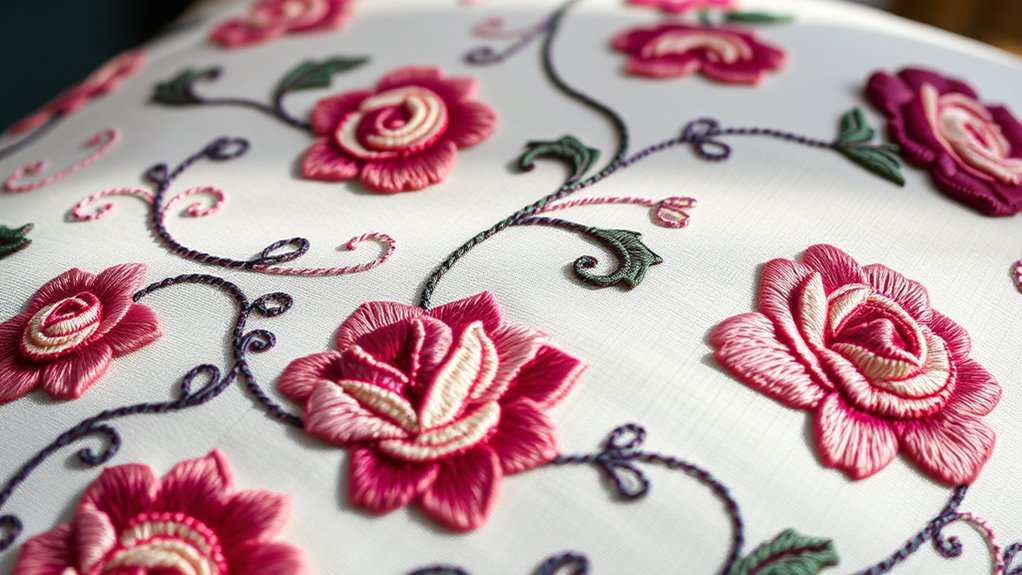
Embroidery and freehand artistry have long enriched home textiles with intricate designs and cultural significance. Today, this tradition continues to evolve, blending age-old techniques with modern innovations like digital pattern transfer and eco-friendly materials. Digital pattern transfer allows you to easily replicate detailed motifs onto fabrics, streamlining the process and reducing the need for hand-drawing or tracing. This technology makes it simple to reproduce complex designs with accuracy, whether you’re working on a small cushion cover or a large tablecloth. Coupled with eco-friendly materials—such as organic cotton, linen, or sustainable threads—these advancements help you create beautiful, environmentally conscious home textiles that honor tradition while respecting the planet.
Embrace modern embroidery with digital transfer and eco-friendly materials for beautiful, sustainable home textiles.
Historically, embroidery has roots in ancient civilizations like Egypt, China, and India, where it was used to decorate clothing, household items, and accessories. For example, Tudor-era England popularized blackwork embroidery on cuffs and collars, using black thread on light fabrics to produce striking contrasts. Scandinavian whitework, including Hardanger, emerged in the 16th century for table linens and underclothes, emphasizing delicate geometric patterns achieved through counted thread and drawn thread techniques. Russian embroidery, dating back to the 10th century, featured region-specific motifs with symbolic meanings, often in bold reds. Native American embroidery combined beadwork, quillwork, and stitches like backstitch and chain stitch on clothing and wall hangings, embedding spiritual symbolism into daily objects. These traditional methods continue to inspire modern artisans and designers worldwide, fostering a rich dialogue between past and present.
Different techniques and stitches shape the unique character of each style. Hand embroidery employs needles and threads for intricate, detailed work, while machine embroidery uses computerized designs for mass production and consistency. Cross-stitch creates X-shaped stitches, popular in both traditional and contemporary pieces. Appliqué involves layering fabric pieces onto a base, adding texture and dimension, and crewelwork uses wool on linen to produce shading and vibrancy. These techniques are often combined with various materials—such as metallic threads, beads, or sequins—to enhance visual appeal.
Regional styles reflect cultural values and aesthetics. Japanese sashiko uses geometric patterns for mending and decoration, rooted in folk tradition. Irish Mountmellick features raised stitches for a textured, three-dimensional effect on bedspreads and tablecloths. Russian embroidery varies by region, often carrying symbolic motifs and strict color schemes. Native American embroidery integrates beadwork and quillwork, offering protective symbolism. Scandinavian Hardanger whitework relies on precise counted thread and drawn thread techniques to create detailed geometric patterns.
Materials and tools are essential for bringing embroidery designs to life. Even-weave fabrics like linen or Aida cloth serve as the perfect canvas for counted-thread techniques. Embroidery floss, silk, wool, or metallic threads add color and texture, while needles vary according to technique—sharp for surface work or blunt for canvaswork. Hoops and frames maintain fabric tension, ensuring even stitches. Beads and sequins are sometimes added for extra decoration, reflecting the rich diversity of embroidery traditions.
The process begins with selecting or drawing a pattern, which is transferred to fabric using water-soluble pens or lightboxes. The fabric is then secured in a hoop or frame to keep tension consistent. Stitches are executed carefully, with shading and texture achieved through stitch density, thread color, and layering. Finishing touches include securing loose threads, trimming excess fabric, and sometimes adding decorative edges. Today, modern embroidery blends these traditional techniques with digital design and machine execution, making it easier than ever to incorporate freehand artistry into your home textiles, creating pieces that are both meaningful and visually stunning.

SevFan 4 Sets Embroidery Kit for Beginners Adults,Needlepoint Kits for Adults with Easy Stamped Floral Pattern Fabric Hand Crafts,Bamboo Hoop,Needle,Cloth,Embroidery Kit for Decor Home Room(Flower-4)
[ Including Everything You Need]2 x embroidery Bamboo hoop 7.8 inch (20 cm), 4 x Embroidered cloth with…
As an affiliate, we earn on qualifying purchases.
As an affiliate, we earn on qualifying purchases.
Frequently Asked Questions
How Long Does It Take to Complete Custom Embroidery Designs?
It takes anywhere from 10 minutes to over 10 hours to complete custom embroidery designs, depending on your embroidery speed and design complexity. Simple projects like monograms can be finished quickly, while intricate patterns with many colors and details require more time. Faster machines and efficient techniques help reduce overall time, but complex designs naturally demand more effort and patience to achieve high-quality results.
What Types of Fabrics Are Best for Freehand Embroidery?
You should choose fabrics with smooth, even textures like medium-weight quilting cotton or linen for freehand embroidery. These fabrics offer stable surfaces that support detailed stitches and help prevent puckering. Heavier fabrics like canvas or denim are great for bold, textured embroidery techniques, while lighter cotton muslin works well for delicate projects. The key is selecting a fabric with a tight weave and appropriate weight to match your embroidery style.
Can Embroidery Be Removed or Altered After Completion?
Yes, you can remove or alter embroidery after completion through embroidery removal techniques. Use a sharp seam ripper to carefully cut stitches, pulling loose threads with tweezers to minimize fabric damage. For altering embroidered designs, you might need to remove specific sections and re-embroider. Be patient and gentle during embroidery removal to avoid holes or distortion, and consider using steam or washing afterward to help restore the fabric’s appearance.
What Are the Most Popular Embroidery Stitches for Home Textiles?
You should know that the most popular embroidery stitches for home textiles include basic embroidery techniques like running stitch, back stitch, and split stitch for outlines and structure. Decorative stitches such as satin stitch, French knots, and chain stitch add texture and visual interest. These techniques create beautiful, durable designs on cushions, curtains, and table linens, making your home textiles uniquely personalized and visually appealing.
How Do I Care for Embroidered and Freehand Textile Items?
A stitch in time saves nine, so take care of your embroidered items. You should hand wash whenever possible, using cold water and mild detergent to prevent damage. If machine washing, turn items inside out and use a delicate cycle. For stain removal, gently pre-treat with mild soap or stain removers, avoiding harsh chemicals. Air-dry flat or hanging in the shade to keep your textiles looking their best and lasting longer.
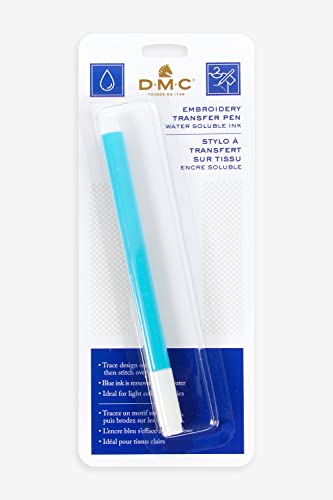
DMC Embroidery Transfer Pen, Blue
EASY DESIGN TRANSFER: Effortlessly trace embroidery patterns and designs onto fabric with precision, perfect for achieving detailed results.
As an affiliate, we earn on qualifying purchases.
As an affiliate, we earn on qualifying purchases.
Conclusion
As you weave embroidery and freehand artistry into your home textiles, you transform ordinary fabrics into personal masterpieces. Think of each stitch and brushstroke as a heartbeat, bringing your unique style to life. With every thread and line, you’re crafting a tapestry that tells your story, turning your space into a gallery of your creativity. Embrace these art forms, and watch your home become a canvas bursting with beauty and personality.

Friendship Bracelet String 50 Skeins Rainbow Color Embroidery Floss Cross Stitch Embroidery Thread Cotton Floss Bracelet Yarn, Craft Floss
50 different rainbow colors. Contains all the colors, blue, green, red, orange, pink, yellow, gray, black, white, etc.,…
As an affiliate, we earn on qualifying purchases.
As an affiliate, we earn on qualifying purchases.

Apojgitn 4PCS Thimble Tape – Adjustable Finger Protectors for Sewing, Hand Embroidery Quilting – Fabric Thimbles for Hand Sewing & Needle Puller, Moda Neon Notions & Supplies
【Superior Protection】 Apojgitn Thimtec Thimble Tape provides unparalleled protection for hand sewing, embroidery, and quilting enthusiasts. This innovative…
As an affiliate, we earn on qualifying purchases.
As an affiliate, we earn on qualifying purchases.