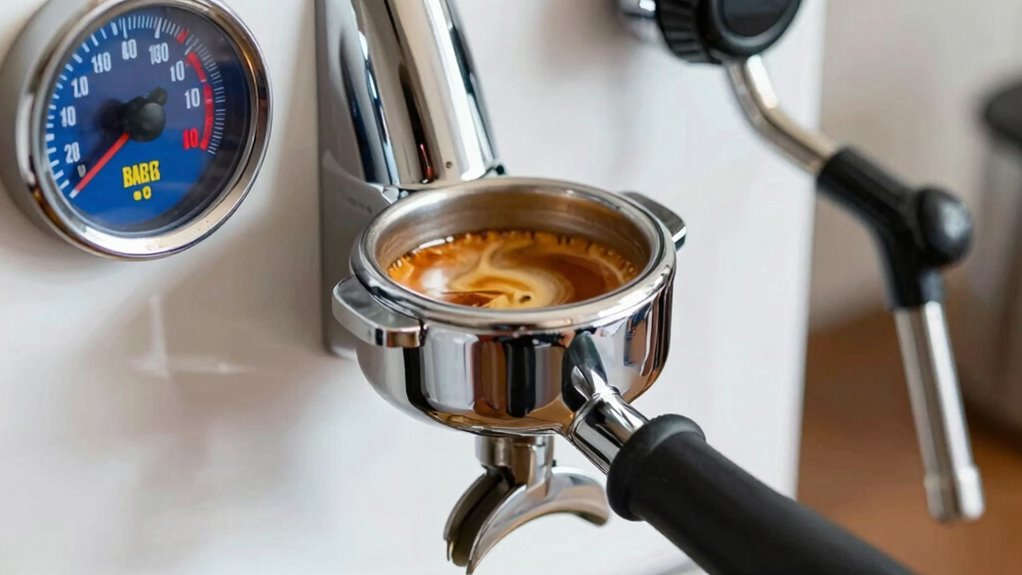
When it comes to espresso pressure, most machines measure it in bars, with 9 bars being the standard for good extraction, while PSI is just another way to measure pressure—one that’s mostly used in the US. However, focusing on high numbers isn’t always helpful, since consistency and stability matter more for a great shot. Many brands emphasize higher PSI or bars to market their machines, but true quality comes from controlling and maintaining steady pressure. Keep exploring to learn more about what really impacts your espresso.
Key Takeaways
- Pressure in espresso machines is commonly measured in bars, with 9 bars being the standard extraction pressure.
- PSI (pounds per square inch) and bars are different units; 1 bar equals approximately 14.5 PSI.
- The focus should be on maintaining stable pressure during extraction rather than hitting a specific pressure number.
- Marketing often emphasizes higher pressure readings (in bars or PSI) to suggest better quality, which can be misleading.
- Consistency and control of pressure are more important for good espresso than the specific measurement units used.

Have you ever wondered why espresso tastes rich and intense? The secret lies in how the right pressure measurement influences the brewing process. When you brew espresso, pressure is a vital factor that helps extract the flavors, oils, and compounds from the coffee grounds. But it’s not just about hitting a specific number; it’s about maintaining brewing consistency. Consistent pressure ensures each shot you pull delivers the same balanced, flavorful result, which is why baristas and espresso machines aim for a certain pressure range.
The common standard for espresso brewing is around 9 bars, or roughly 130 PSI. Many machines display pressure in bars because it’s a convenient metric for baristas to refer to. However, the truth is, the actual pressure you need isn’t as rigid as some marketing suggests. While hitting that 9-bar mark can help, most of the quality and flavor extraction depends on how well your machine maintains that pressure throughout the shot. Fluctuations or inconsistency in pressure measurement can lead to under-extraction or over-extraction, which impacts taste and aroma.
Some brands tout higher pressures to claim better espresso, but the actual science shows that beyond a certain point, increasing pressure doesn’t necessarily improve the quality. Instead, what matters more is consistency. If your machine can deliver stable pressure during extraction, regardless of whether it’s 9 bars or a bit more, you’ll get a more uniform shot each time. This consistency is essential because it reduces variables that can ruin the balance of your espresso. When pressure fluctuates, it’s harder to control extraction time, resulting in unpredictable flavors.
Many coffee enthusiasts and professionals agree that focusing on maintaining steady pressure is more important than obsessing over reaching a specific number like 15 bars or 20 bars, which are often marketed as superior. The key is in controlling and measuring pressure accurately during brewing, so you can replicate the ideal extraction every time. This focus on pressure measurement and brewing consistency helps you fine-tune your technique and equipment, giving you better shots without getting distracted by marketing hype. Ultimately, good espresso depends less on the number and more on how well your machine maintains stable, appropriate pressure throughout the brewing process. Understanding pressure stability is crucial for achieving consistently great espresso.
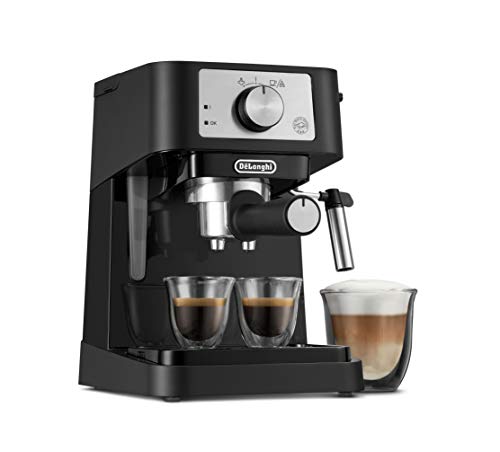
De'Longhi Stilosa Manual Espresso Machine, Compact Coffee Maker, 15 Bar Pump Pressure, Manual Milk Frother Steam Wand for Authentic Single & Double Espresso, Lattes & Cappuccinos, Tamper Included
Please refer to user guide or user manual or user guide (provided below in PDF) before first use
As an affiliate, we earn on qualifying purchases.
As an affiliate, we earn on qualifying purchases.
Frequently Asked Questions
How Do Different Espresso Machines Measure Pressure?
You’ll find that different espresso machines measure pressure using built-in pressure gauges or sensors. These gauges display pressure in bars or PSI, helping you monitor extraction. To guarantee accurate readings, you can use calibration techniques, like comparing gauge readings with a reference device. Regular calibration keeps pressure measurements reliable, so you can consistently produce great espresso. Keep an eye on those gauges during brewing to optimize your shot quality.
Is Higher Pressure Always Better for Espresso?
Higher pressure isn’t always better for espresso. You need pressure stability and proper machine calibration to achieve the best extraction. Excessive pressure can lead to over-extraction, bitter flavors, or uneven results. Instead, focus on maintaining consistent pressure within the ideal range, around 9 bars. Proper calibration ensures your machine performs reliably, giving you a balanced shot with rich flavor. Remember, quality depends more on control and consistency than just sheer pressure.
Can Pressure Adjustments Improve Espresso Flavor?
Yes, adjusting pressure can improve your espresso’s flavor by enhancing pressure consistency. When you fine-tune pressure, you help achieve better flavor balance, making your espresso richer and more nuanced. Consistent pressure guarantees ideal extraction, preventing over- or under-extraction. Experimenting with pressure adjustments allows you to find the sweet spot that brings out the best in your beans, resulting in a more satisfying and flavorful espresso experience.
What Role Does Pressure Play in Crema Formation?
Pressure plays a key role in crema formation by influencing pressure dynamics during extraction. When you apply the right pressure, it helps oils and proteins emulsify, creating a rich, stable crema. Consistent pressure ensures crema stability, preventing it from breaking down quickly. If pressure is too low or inconsistent, the crema will be thin and short-lived. So, maintaining proper pressure is vital for a flavorful, visually appealing espresso with lasting crema.
How Does Pressure Affect Extraction Time?
Like a skilled conductor guiding an orchestra, your pressure controls extraction time. When pressure remains consistent, it guarantees extraction uniformity, preventing under- or over-extraction. Higher pressure shortens extraction time, pulling flavors faster, while lower pressure prolongs it. Maintaining steady pressure lets you fine-tune your shot, achieving excellent flavor and crema. Without consistent pressure, your extraction becomes erratic, like a dissonant symphony, compromising your espresso’s quality.

XDTKJDZ 58mm Pneumatic Coffee Machine, Stainless Steel Coffee Maker, 9 Bar Fast Extraction, W/Pressure Gauge & Pressure Relief Valve, for Commercial and Home Use
【Pneumatic Extraction Technology】Utilizing upgraded pneumatic extraction technology, this machine offers stable and efficient extraction, locking in the rich…
As an affiliate, we earn on qualifying purchases.
As an affiliate, we earn on qualifying purchases.
Conclusion
Remember, while numbers like bars and PSI can guide your espresso journey, they’re just numbers in a sea of passion and personal taste. Don’t get lost in the marketing hype—trust your palate and experiment to find what makes your perfect shot. After all, espresso isn’t just about pressure; it’s about crafting a moment of pure joy. So, embrace the process, and let your love for coffee brew something truly exceptional.

AMZCHEF Espresso Machine 20 Bar – Professional Coffee Maker with Milk Frother, Adjustable Temperature & Pressure, Compact Stainless Steel Espresso Maker for Cappuccino, Latte, Mocha, 44oz Water Tank
20-Bar Professional Pressure – Achieve rich crema and bold flavor with 20-bar high-pressure extraction and 6-second pre-infusion. Enjoy…
As an affiliate, we earn on qualifying purchases.
As an affiliate, we earn on qualifying purchases.
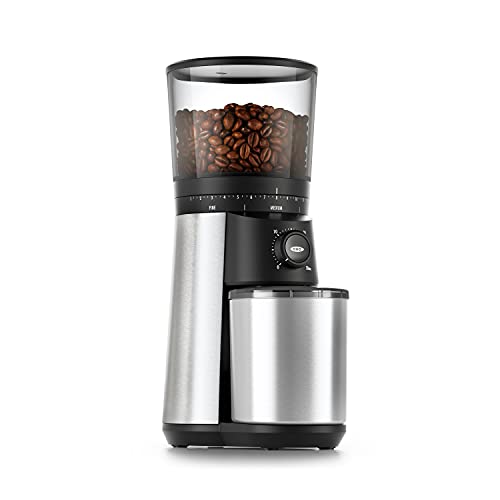
OXO Brew Conical Burr Coffee Grinder – Silver, Stainless Steel Burrs, One-Touch Automatic Smart Grind
Stainless steel conical burrs: Precision grinding system produces uniform coffee grounds for rich, balanced flavor in every cup.
As an affiliate, we earn on qualifying purchases.
As an affiliate, we earn on qualifying purchases.