To fight fatigue naturally, focus on eating nutrient-dense foods like whole grains, fresh fruits, vegetables, lean proteins, and healthy fats. Spacing out complex carbs helps sustain your energy levels, while foods rich in vitamins and minerals support overall vigor. Hydrating foods like water-rich fruits prevent dehydration, and incorporating herbs like ginseng can give an extra boost. Want to discover more tips and strategies to stay energized throughout the day? Keep exploring to learn how to optimize your diet for lasting vitality.
Key Takeaways
- Incorporate complex carbs like oats, quinoa, and brown rice to provide steady, long-lasting energy and prevent blood sugar spikes.
- Consume nutrient-dense foods rich in vitamins and minerals, such as berries, leafy greens, and colorful vegetables, to support cellular energy production.
- Include lean proteins, healthy fats, and omega-3-rich fish to sustain energy levels and reduce inflammation.
- Stay well-hydrated with water-rich fruits and vegetables like watermelon and cucumber to prevent dehydration-related fatigue.
- Use adaptogenic herbs like ginseng and Rhodiola to naturally enhance resilience to stress and boost overall vitality.
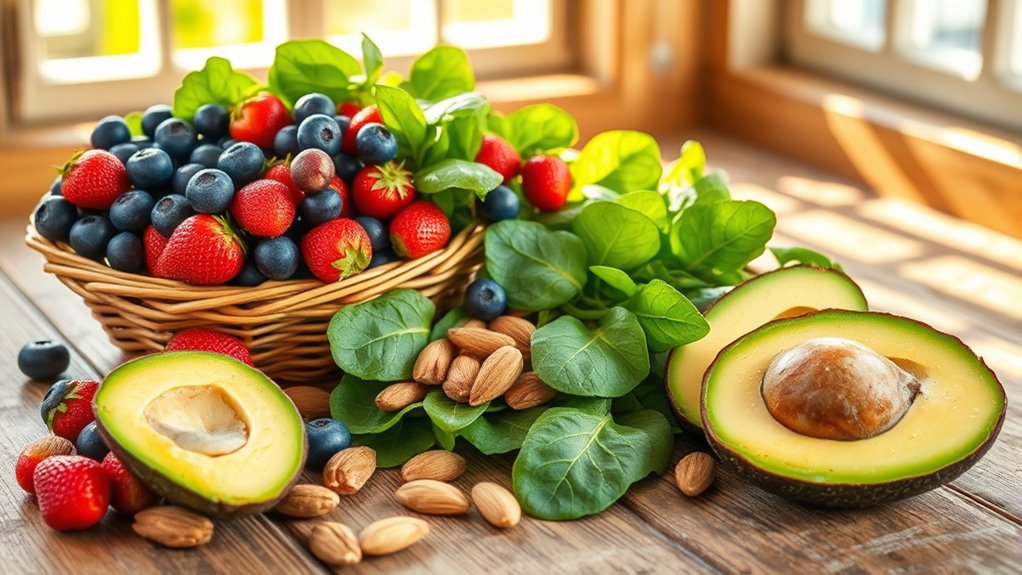
Eating the right foods can substantially boost your energy levels and keep you alert throughout the day. To do that effectively, you need to pay attention to meal timing and incorporate the right nutrients into your diet. Timing your meals strategically ensures your blood sugar stays stable, preventing energy dips and crashes. For example, spacing out complex carbs like oats, quinoa, or brown rice across the day helps maintain a steady energy supply. These foods release energy slowly, providing long-lasting fuel without the sharp spikes caused by simple sugars. Including high-fiber foods like whole-wheat bread or starchy vegetables such as sweet potatoes balances digestion and prolongs satiety, helping you avoid unnecessary snacking that can lead to energy lows. Legumes, which combine complex carbs and protein, support sustained energy and keep you full longer. Consuming a variety of nutrient-dense foods ensures your body receives all necessary vitamins and minerals to optimize energy production. Protein sources also play a crucial role in maintaining energy and muscle health. Lean meats like chicken and turkey, along with fatty fish such as salmon or tuna, supply essential amino acids that aid muscle repair and support stamina. Eggs, especially egg whites, offer high-quality protein that helps recovery and keeps you energized. Incorporating dairy or plant-based proteins like beans, nuts, and seeds provides alternatives, especially if you’re vegetarian or vegan. Because protein takes longer to digest than carbs, it helps sustain your energy levels and prolongs feelings of fullness, which prevents energy slumps caused by hunger. Healthy fats are another vital component. Unsaturated fats found in avocados, nuts, seeds, and olive oil serve as dense energy sources and support cellular function. Omega-3 fatty acids in fatty fish not only reduce inflammation but also enhance energy metabolism. These fats also improve brain function and mood, helping you stay alert. Avoiding excess saturated and trans fats is essential, as they can impair energy production and overall health. Including nuts or seeds as part of your snack routine supplies both healthy fats and protein, offering a quick, nourishing energy boost. Fruits and vegetables are rich in antioxidants, vitamins, and minerals that bolster your energy. Berries, like blueberries and strawberries, are packed with antioxidants that protect your cells from oxidative stress and help keep your energy balanced. Bananas provide potassium, vitamin B6, and carbohydrates that support muscle function and sustained energy. Leafy greens such as spinach and kale contain iron and folate, crucial for energy production and fighting fatigue. Proper hydration** is equally important; fruits and vegetables with high water content, like cucumbers and watermelon, help maintain fluid levels, preventing dehydration-related fatigue. Adequate hydration is vital for optimal cellular activities and overall energy levels. Proper hydration, along with a balanced diet, ensures your body functions optimally. Finally, consider herbal supplements if you need an extra boost. Some herbs, like ginseng or Rhodiola, are known for their adaptogenic properties, helping your body resist stress and improve energy levels naturally. Just remember, integrating these foods and supplements at the right times maximizes their benefits, leading to sustained vitality** and reduced fatigue.

NOW Foods Supplements, Energy Dietary Supplement (lncludes B Vitamins, Green tea, Panax Ginseng and Rhodiola), 90 Capsules
ENERGY BOOST*: Caffeine is naturally occurring in herbal ingredients such as guarana, yerba mate, and green tea
As an affiliate, we earn on qualifying purchases.
As an affiliate, we earn on qualifying purchases.
Frequently Asked Questions
Can Energy-Boosting Foods Cause Weight Gain?
Energy-boosting foods can cause weight gain if you’re not mindful of their calorie content and nutrient balance. Foods high in calories, like nuts or processed snacks, can add up quickly, especially if you eat them in excess. To avoid weight gain, focus on foods with a good nutrient balance—such as whole grains, lean proteins, and fiber-rich vegetables—and enjoy them in moderation, aligning your intake with your activity level.
How Quickly Can I Expect Energy Improvements?
You can expect to notice energy improvements within minutes to a few hours after eating, depending on your meal timing and individual variability. For quick boosts, caffeine from green coffee works in about 30 minutes, while complex carbs and protein-rich snacks may take 1-2 hours. Your body’s response varies, so paying attention to how different foods and timing affect your energy levels helps optimize your daily performance.
Are There Any Side Effects From Eating These Foods?
You might worry about side effects from eating energy-boosting foods, but nutrient interactions and food sensitivities can cause unexpected reactions. Some ingredients may trigger headaches, stomach upset, or allergic responses, especially if you have sensitivities. While natural options are safer, overdoing it can lead to jitters, fatigue rebound, or metabolic issues. Always listen to your body and choose foods that support your health without risking adverse reactions.
Can These Foods Replace Caffeine or Energy Drinks?
Yes, these foods can replace caffeine or energy drinks as effective caffeine alternatives and natural energy sources. They provide steady, sustainable energy without the crash or health risks associated with synthetic caffeine. By incorporating fruits, vegetables, nuts, and whole grains into your diet, you support your body’s energy production naturally, reduce fatigue, and improve overall health. Just remember, shifting may take time, and combining foods can optimize your energy levels throughout the day.
Are Energy-Boosting Foods Suitable for All Ages?
Energy-boosting foods are suitable for all ages when you consider age-appropriate nutrition and dietary restrictions. You should adjust foods based on metabolic needs, ensuring children get nutrient-dense options like fruits and vegetables, while adults focus on balanced complex carbs and healthy fats. For older adults, choose fiber-rich foods to support energy without excess calories. Always account for dietary restrictions, allergies, and safety to promote sustained energy and overall health across life stages.

Green Hills Ginseng Herbal Supplement (Pack of 24)
Manufacturer: Energy Now
As an affiliate, we earn on qualifying purchases.
As an affiliate, we earn on qualifying purchases.
Conclusion
So, next time you’re feeling sluggish, skip the energy drinks and grab some nuts or a banana instead. Who knew that fighting fatigue could be as simple as eating real food? It’s almost like nature’s saying, “Here, try this instead of that sugar crash.” So go ahead, indulge in these natural energizers—your body will thank you, and maybe, just maybe, you’ll impress your coworkers with your newfound stamina. Cheers to staying lively the natural way!

Fiber One Cereal, Original Bran, High Fiber Cereal Made with Whole Grain, 19.6 oz
HIGH FIBER CEREAL: Delivers 65% daily value of fiber per serving. Diets high in fiber can help keep…
As an affiliate, we earn on qualifying purchases.
As an affiliate, we earn on qualifying purchases.
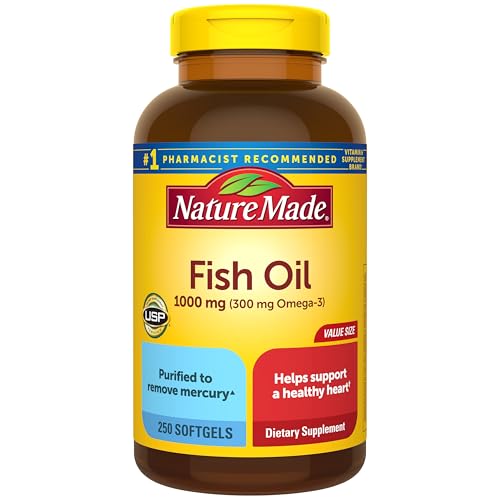
Nature Made Fish Oil Omega 3 Supplements, 1000mg Softgels, Omega 3 Fish Oil for Healthy Heart Support, 250 Softgels, 125 Day Supply
Heart health support supplement: contains one 250 count bottle of Nature Made Fish Oil 1000 mg Softgels for…
As an affiliate, we earn on qualifying purchases.
As an affiliate, we earn on qualifying purchases.